
Medical University of Gdańsk
StateMedicine
A historic Baltic port and student city
Gdańsk was first recorded in writing in 997, in the account of St Adalbert of Prague baptising the inhabitants of "urbs Gyddannyzc"; the Latin text itself was written in 999. The city has 489,328 residents as of 31 December 2025. It sits on the same commuter rail line as Sopot and Gdynia, and both its shipyard and the depot at Westerplatte are fixed points in Polish history.
The rest of the monthly budget, in euro: rent 174-371 EUR, food 162-224 EUR, transport 14-27 EUR, with a typical all in figure of 618 EUR. That figure assumes a student in their own room in a shared flat, cooking at home most days and using a discounted student transport pass, with bills, phone, course materials and ordinary social spending included.
We work with students choosing a course in Gdańsk, planning the application calendar and working out where to live. If it helps to talk through which university and which housing option fits a given budget, get in touch.
Dormitory rates published by the three public universities for 2026/2027 run from 550 to 1050 PLN per person per month. The lowest figure is 450 PLN for a place in a triple room at the Medical University of Gdańsk (GUMed DS 1). Per place in a double room: Gdańsk University of Technology 550-670 PLN, GUMed 675-1000 PLN, University of Gdańsk 720-870 PLN. Single rooms run 610-860 PLN at Gdańsk University of Technology and 850-1050 PLN at the University of Gdańsk, the top of that range being a single with a private bathroom. Bills sit inside the monthly fee. Gdańsk University of Technology asks for a 700 PLN refundable deposit; GUMed for a 450 PLN guarantee fee plus a 1000 PLN security payment.
The private residence option is Student Depot Gdańsk, whose rates displayed in September 2026 run 1870-2900 PLN per person per month: 1870 PLN for a bed in Duo Vibes, a 22 m2 studio for two with separate beds and a shared bathroom; 2250 PLN for Shared Solo Vibes, a 9 m2 private room in a two-person flat; 2750 PLN for a self-contained 16 m2 Solo Vibes studio with private bathroom and kitchenette; 2900 PLN for Solo Vibes Plus. Every room is sold with everything in the price, which the operator states covers utilities and internet plus the gym, study rooms and laundry areas. A guest staying overnight costs 30 PLN.
On the open market, an own room in a shared flat ran 950-1500 PLN a month in September 2026 listings: 900 PLN for 8 m2 in Wrzeszcz, 1050 PLN for 13 m2, 1240 PLN for 15 m2 in Wrzeszcz, 1500 PLN for 10 m2 on Aleja Grunwaldzka in Zabianka. Bills vary advert by advert, so ask the landlord whether the figure is z mediami or bez mediów before signing. A kawalerka, the self-contained one-room flat, ran 1900-2900 PLN with a median around 2300 PLN for roughly 25-30 m2; bills are on top, so budget roughly 300-600 PLN a month more, plus a deposit of about one month's rent (2300 PLN on one listing). A two-room flat, one bedroom plus a living room, ran 2300-3500 PLN for the whole flat; two students sharing one land at roughly 1100-1600 PLN each before bills.
ZTM Gdańsk runs four modes: trams (lines 2-12), buses, night buses (N1-N9, N14, N16, N56, N78, N89) and a ferry, line 658, from the Martwa Wisła tunnel to Ku Ujściu. Trams are operated by Gdańskie Autobusy i Tramwaje; the network has run since the first horsecar line of 23 June 1873 and now covers 11 lines and 109.2 km of route. The SKM Tricity commuter railway, running since 2 January 1952, links Gdańsk with Sopot, Gdynia, Wejherowo and Lębork, at intervals of 6 to 30 minutes on the central Gdańsk to Gdynia section. The Pomeranian Metropolitan Railway, 19.5 km, opened on 1 September 2015 and serves Gdańsk Lech Wałęsa Airport. MZKZG sells metropolitan tickets valid across ZTM Gdańsk, ZKM Gdynia, SKM and regional rail. ZTM Gdańsk lists higher education students, regardless of age, among those entitled to reduced (ulgowe) fares on presentation of a valid student ID, the legitymacja studencka.
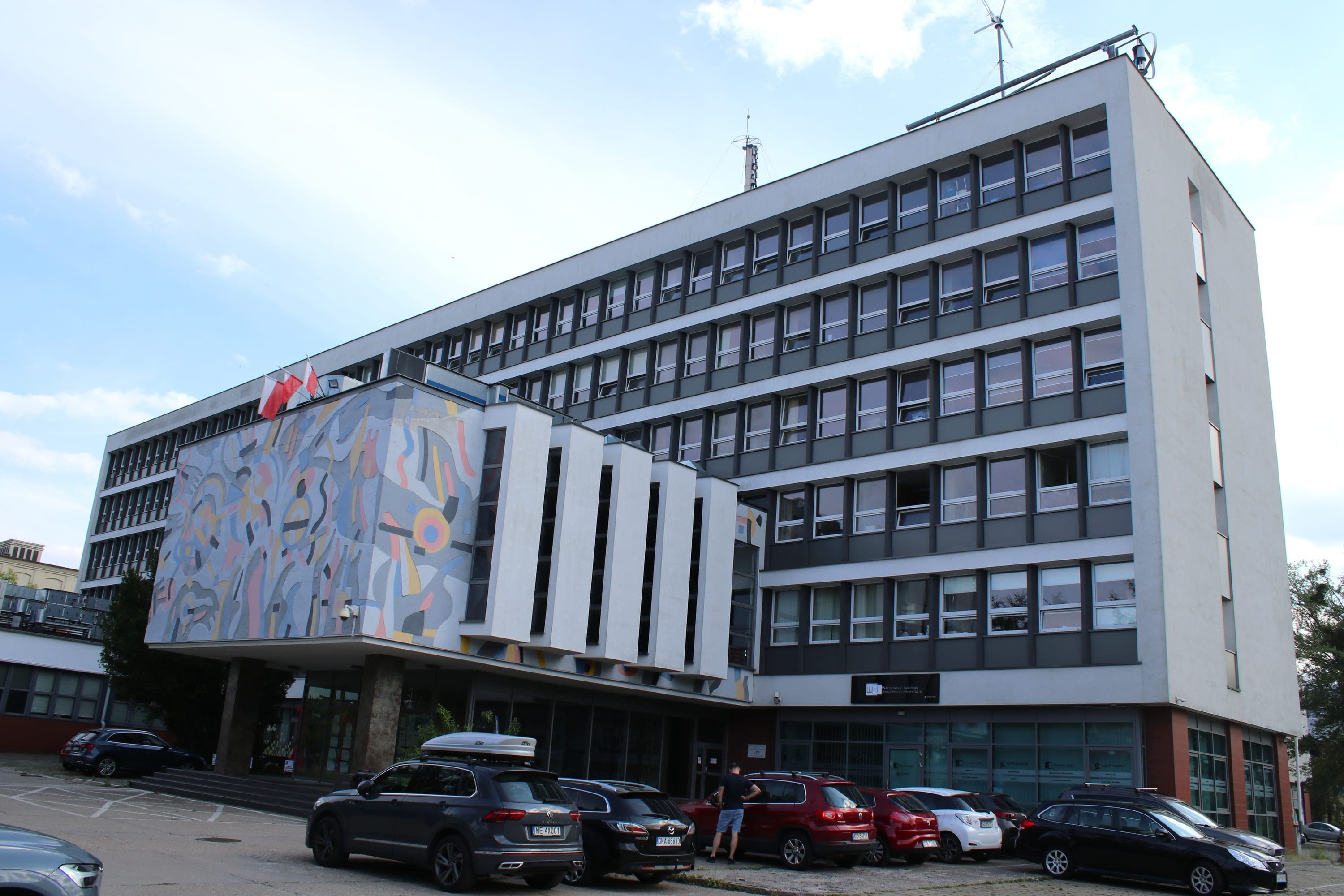
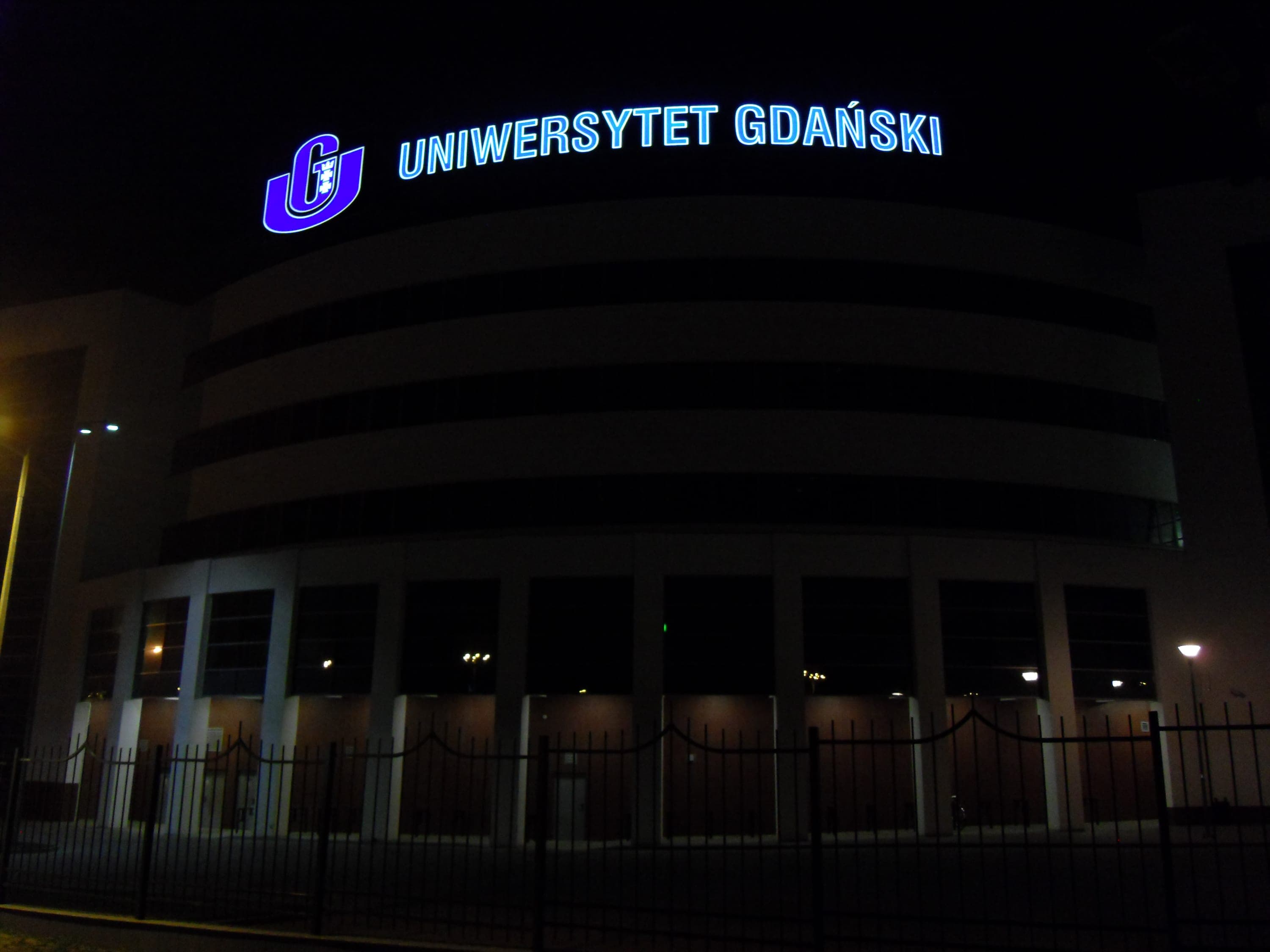
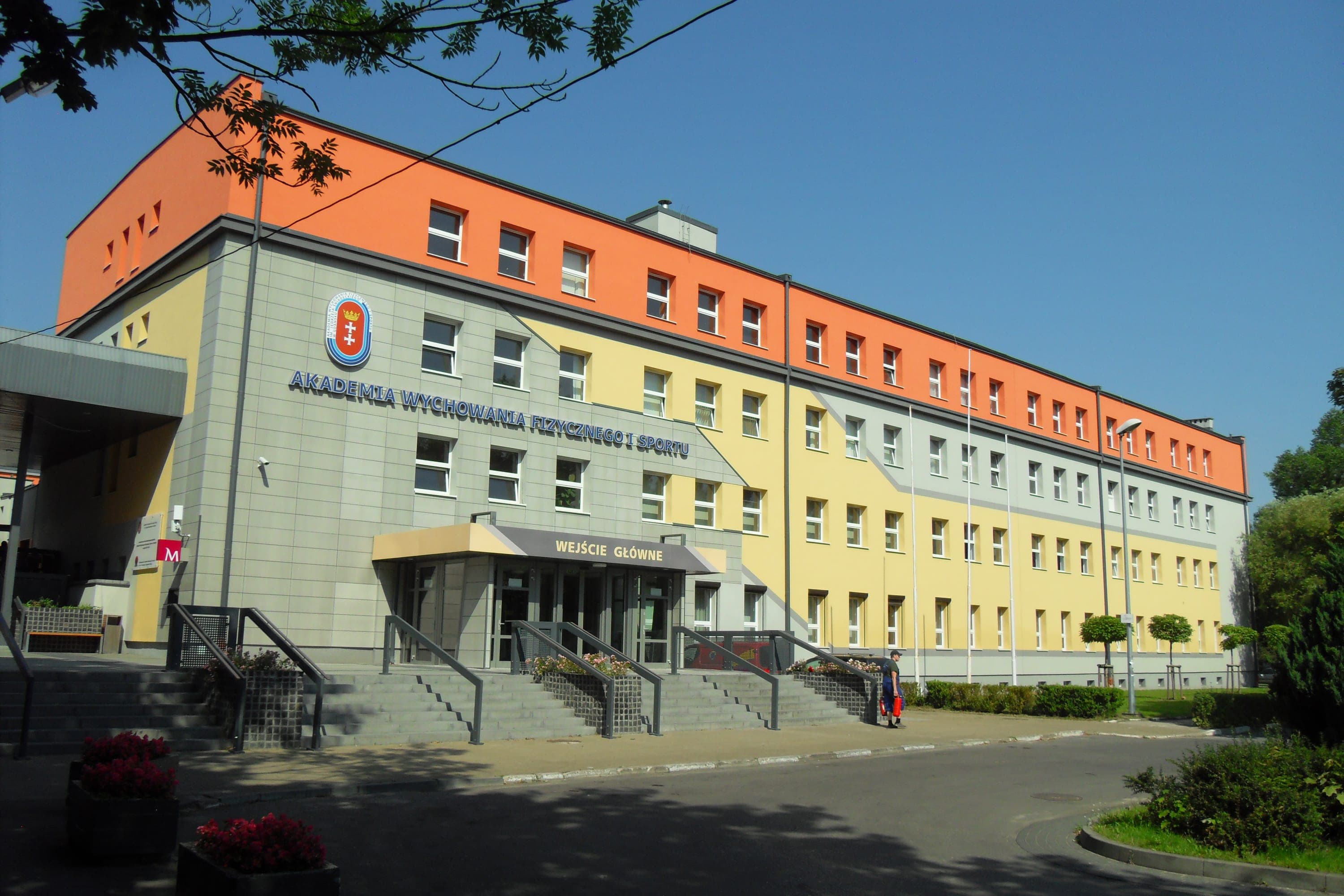
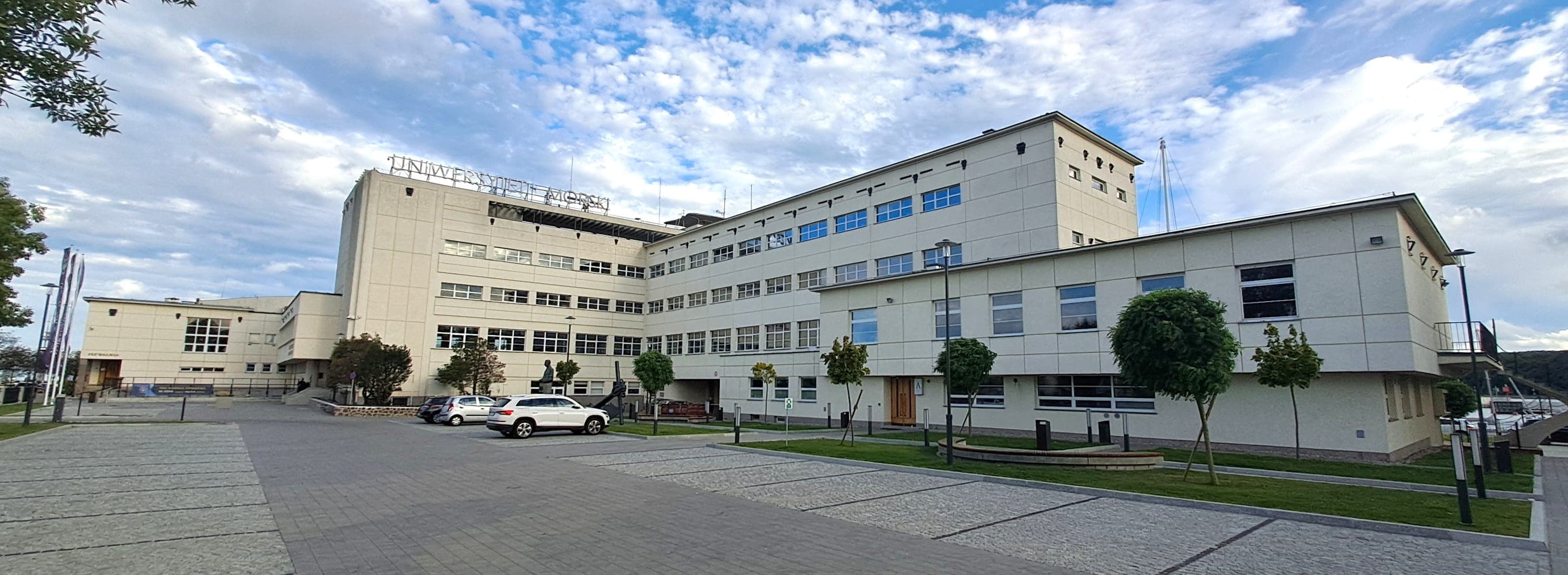
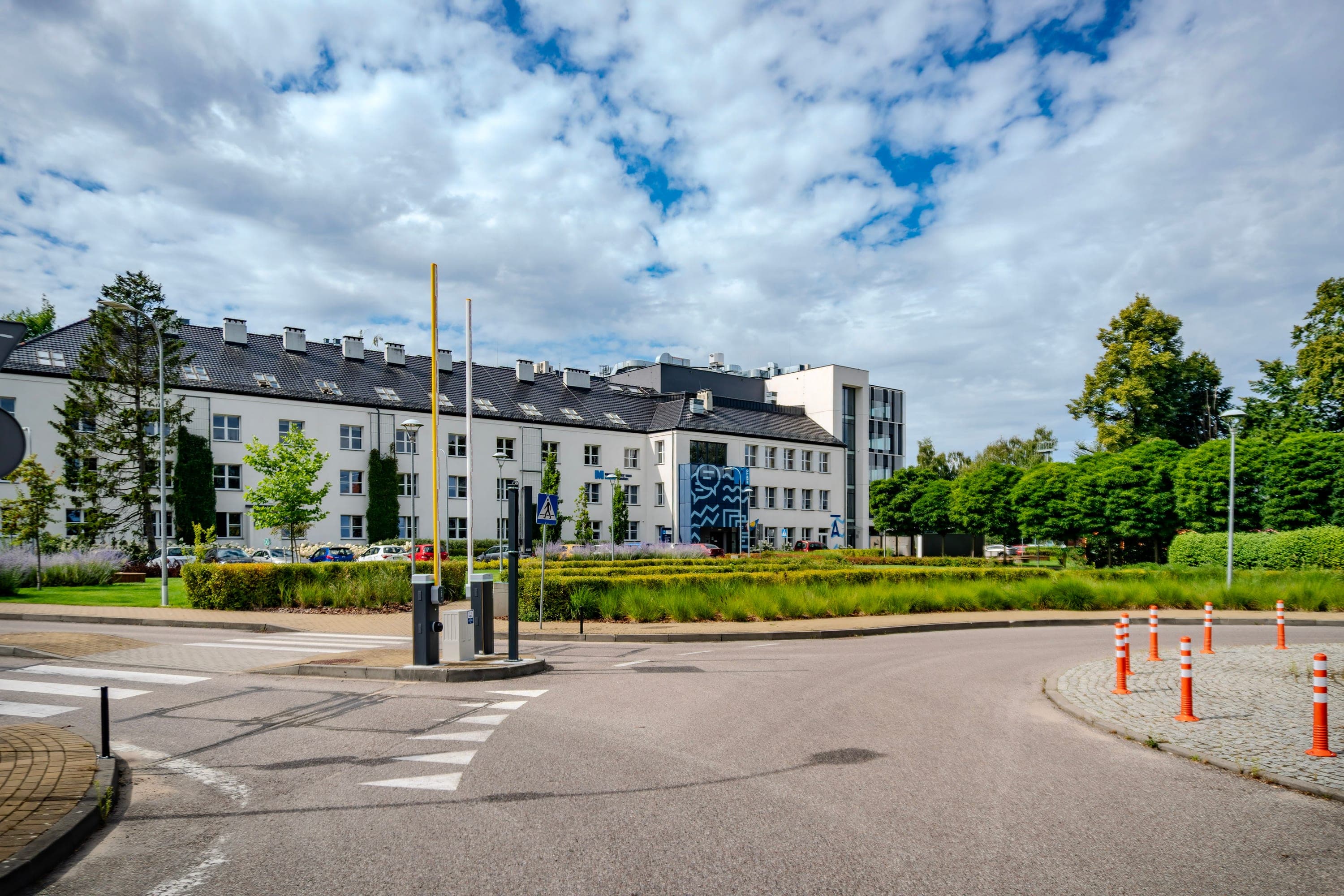
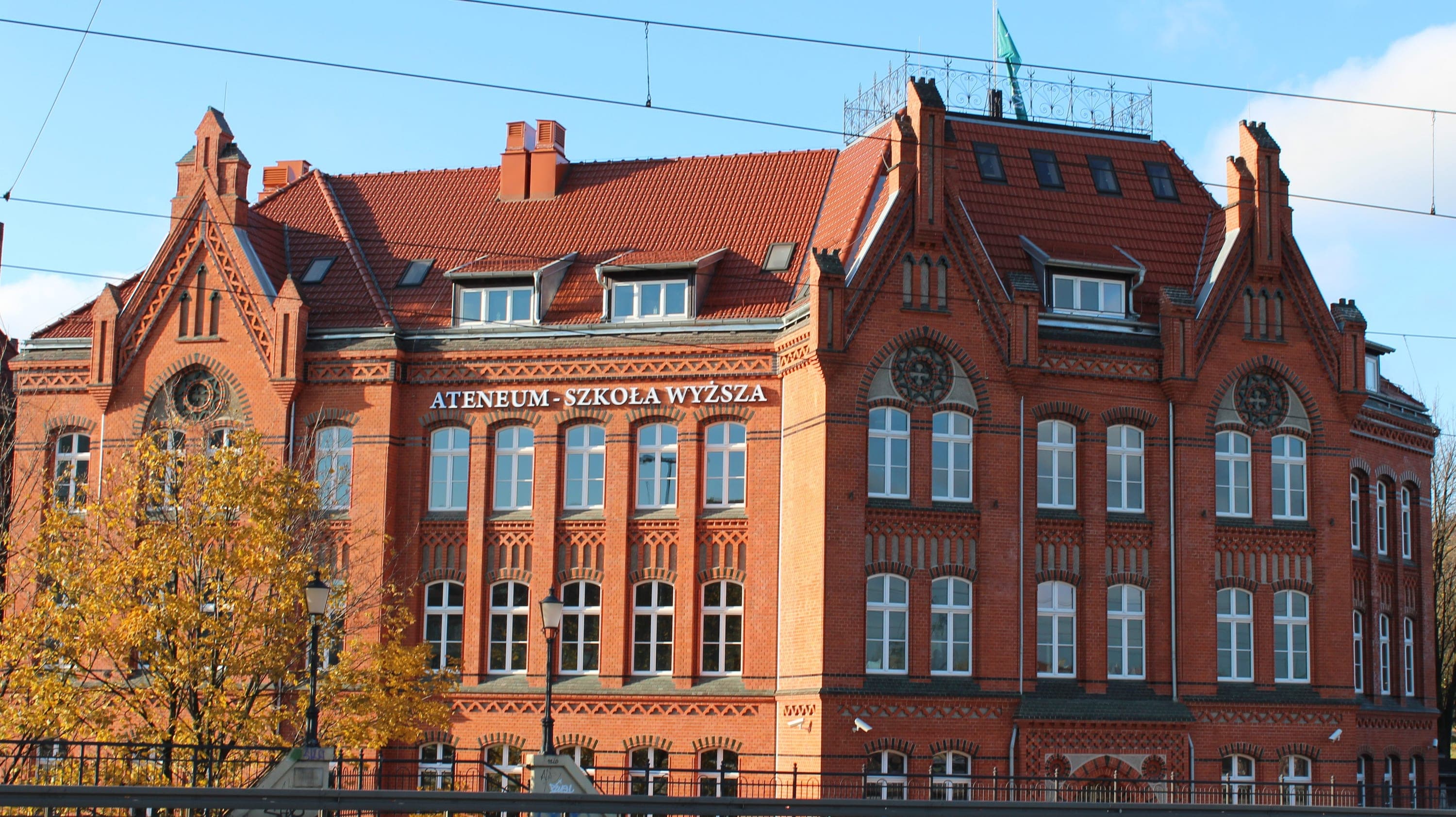
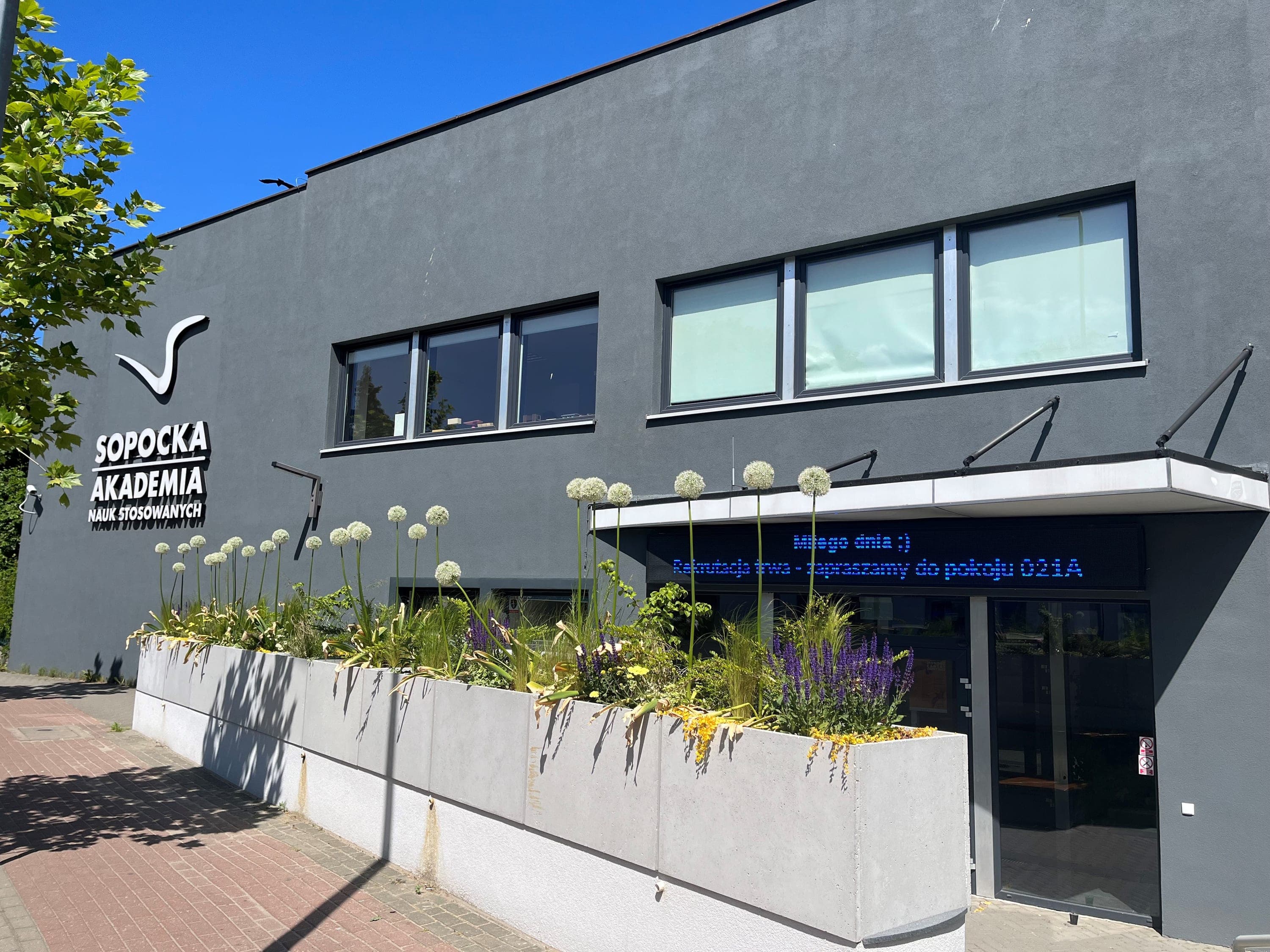
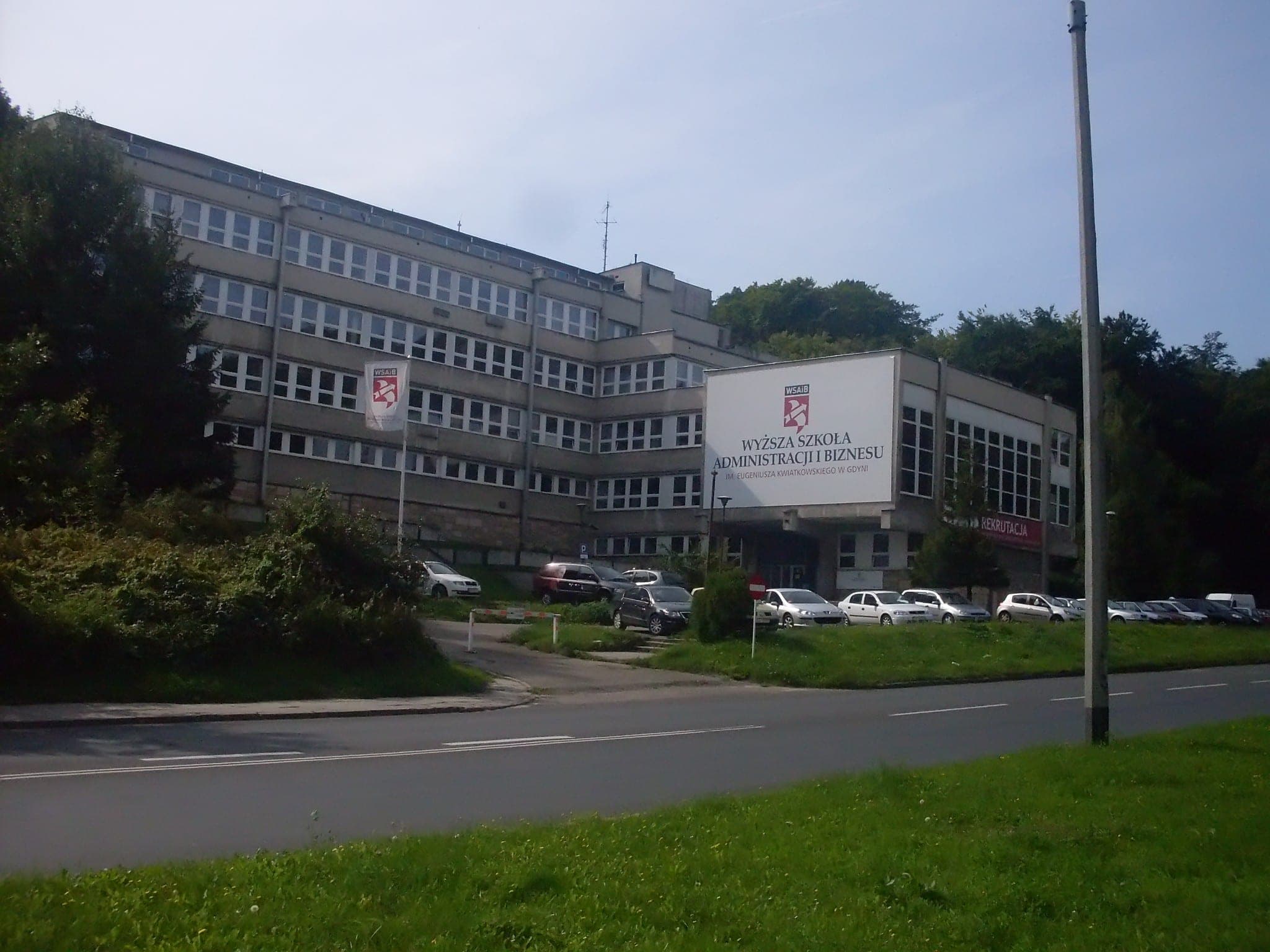
Higher education in the city dates to 6 October 1904, when the Königliche Technische Hochschule Danzig opened with 189 students; it was re-established as Politechnika Gdańska, Gdańsk University of Technology, on 24 May 1945. The University of Gdańsk was created on 20 March 1970 by merging the Higher School of Economics in Sopot (1945) with the Gdańsk College of Education (1946). We list 10 universities here. The state institutions are the Medical University of Gdańsk, the University of Gdańsk, Gdynia Maritime University, Gdańsk University of Technology and the Gdańsk University of Physical Education and Sport. The private ones are Ateneum Academy of Applied Sciences in Gdańsk, the University of Business and Administration of Eugeniusz Kwiatkowski in Gdynia, WSB Merito University in Gdańsk, Sopot University of Applied Sciences and the Gdańsk branch of Powiślańska Academy of Applied Sciences.
The city received city rights under Lübeck law in 1263. It was a free city from 1807 to 1814, and again from 1920 to 1939 as the Free City of Danzig under League of Nations oversight. The Second World War began here on 1 September 1939, when the German battleship SMS Schleswig-Holstein fired the first shots at the Polish military depot on Westerplatte. In August 1980 the Solidarity trade union was founded at the Gdańsk Shipyard, the city's main shipbuilding works.