

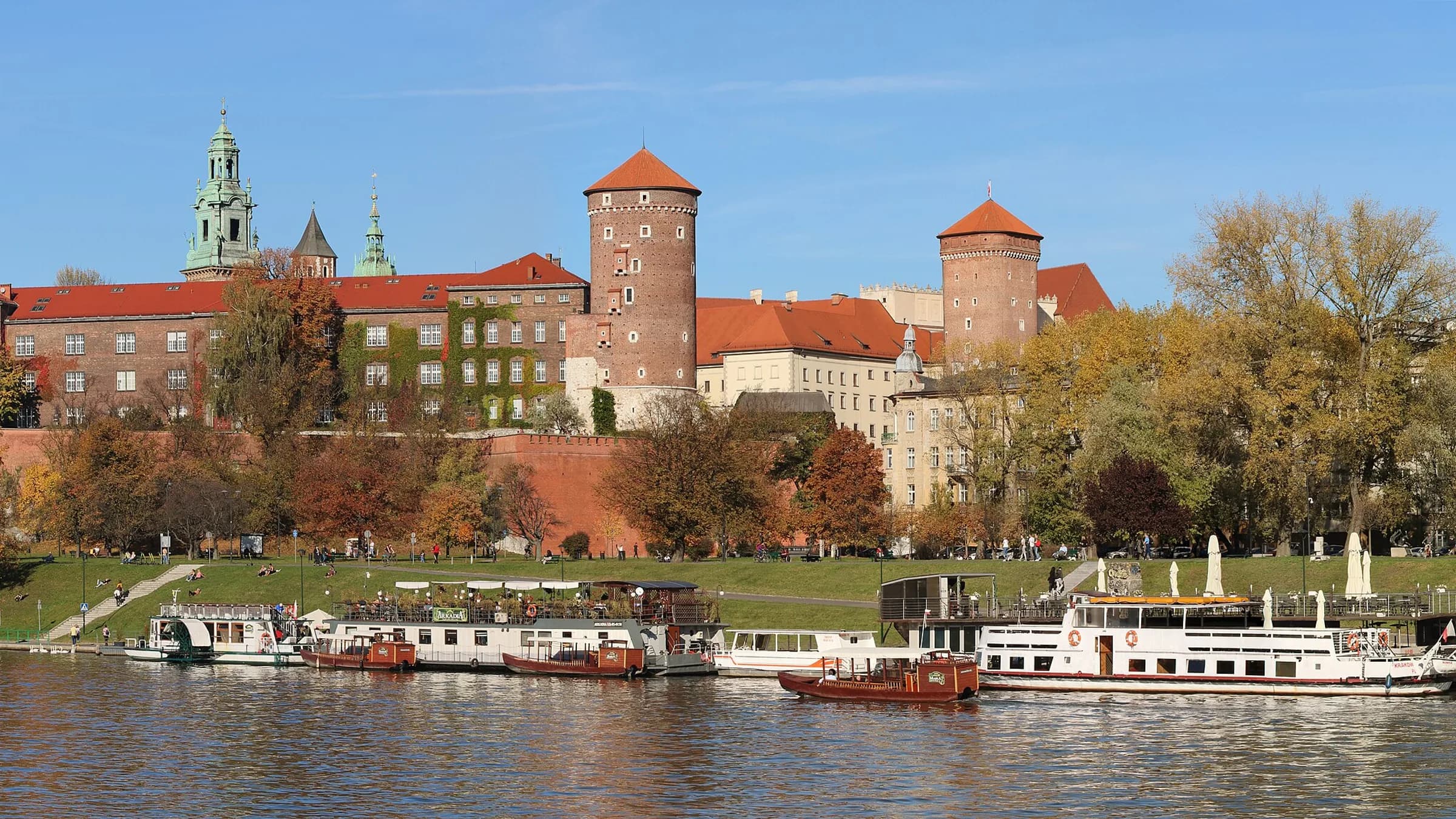
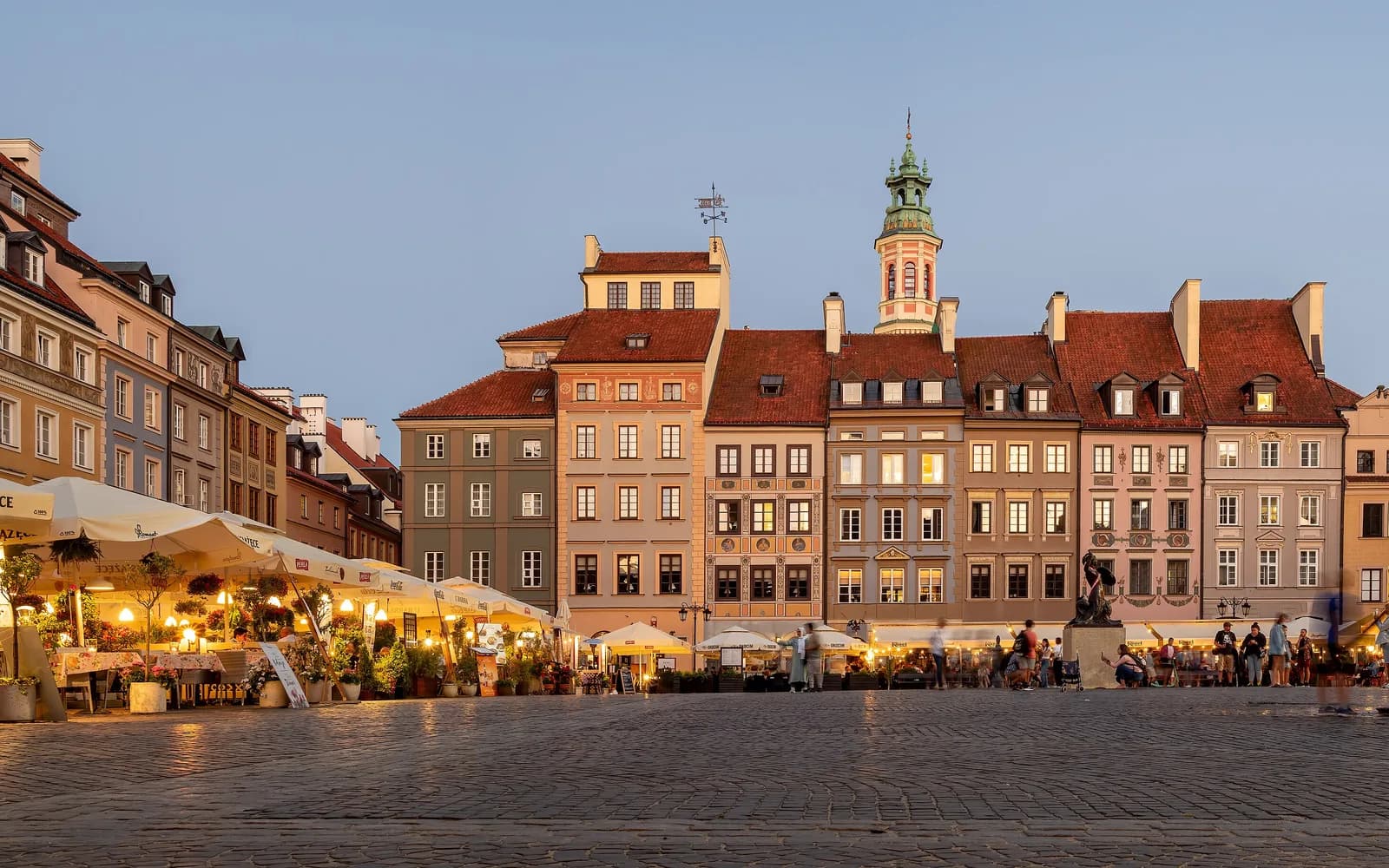
Eight Polish cities are covered here: Warsaw, Kraków, Wrocław, Poznań, Gdańsk, Łódź, Lublin and Katowice. Across them, 83 universities are listed.
The currency is PLN.
To decide where to begin, open a city page first, then work through the universities listed there.
Polish higher education follows the Bologna structure and uses ECTS credits. There are three shapes: first cycle, second cycle, and long cycle programmes that are not divided into the two.
First cycle studies run 6 to 7 semesters, which is three to three and a half years, and require at least 180 ECTS. They lead to the title of licencjat, or inżynier in engineering, agriculture and economics. This is the Polish equivalent of a bachelor’s degree.
Second cycle studies usually run 3 to 4 semesters, which is one and a half to two years, and some run to 5. All require at least 90 ECTS. They lead to the title of magister.
Medicine, dentistry, pharmacy, veterinary medicine, physiotherapy, law and pre school teaching are not taught as two separate cycles. They are offered only as long cycle programmes of 9 to 12 semesters requiring 300 to 360 ECTS.
The Polish university tradition begins on 12 May 1364, when King Casimir the Great founded a Studium Generale in Kraków with three faculties: law, medicine and the liberal arts.
In 1400 King Władysław Jagiełło re established the institution and added a faculty of theology. It is known today as the Jagiellonian University and is recognised as the first university in Poland.
The universities in our catalogue were founded across the centuries between that date and the twenty first. Each university page states the founding year where two independent sources confirmed it.
A bachelor’s application needs a secondary school diploma and a transcript. Most programmes are taught in English, so proof of English is required; the accepted tests and scores differ by university and by programme, so the threshold is worth confirming on the programme’s own page.
A master’s application needs a bachelor’s degree and a transcript. Some programmes require the first degree to be in a related field.
Long cycle programmes such as medicine and dentistry usually apply an entrance examination or a grade assessment covering biology and chemistry.
Most documents need a sworn translation and an apostille. Preparing these before the application window removes the risk of them arriving late.
A degree earned abroad needs recognition from the Council of Higher Education, YÖK, to be valid in Turkey. Applications are made through denklik.yok.gov.tr.
The check to make before enrolling is whether the university is recognised by YÖK, which can be queried at okultanima.yok.gov.tr. A degree from an institution that is not recognised cannot receive recognition.
We suggest running that query before applying. Discovering it afterwards leaves a completed degree unusable in Turkey.
We list 83 universities across 8 cities in Poland: Warsaw, Kraków, Wrocław, Poznań, Gdańsk, Łódź, Lublin and Katowice. 50 are state institutions and 33 are private.
Our catalogue holds 872 programmes at those universities, all taught in English.
State universities generally cover a wider range of fields at lower tuition. Private institutions tend to concentrate on particular areas such as business, computing and design. Each university page carries its programme list, its tuition range, and any verified international ranking.
Monthly living costs differ noticeably by city. The typical all in figures in our catalogue are Katowice 415 EUR, Lublin 418 EUR, Łódź 481 EUR, Poznań 484 EUR, Kraków 590 EUR, Gdańsk 618 EUR, Wrocław 642 EUR and Warsaw 731 EUR.
Those figures assume a student in a shared flat or a dormitory who cooks at home most days and holds a discounted student transport card. Bills, phone, course materials and a normal amount of going out are included.
Prices broken down by accommodation type, including state and private dormitory rates, are on each city’s own page.
Study lasting more than three months requires a D type national visa or a temporary residence permit for the purpose of study. The D type visa is issued for up to one year and allows travel in the Schengen area for up to 90 days in any 180.
Applications require medical insurance covering at least 30,000 EUR. It must be valid for the intended stay and cover urgent medical assistance, emergency hospital treatment and return travel for medical reasons.
Sufficient financial means must also be documented. For a single applicant this is 1,010 PLN for each month of stay, plus tuition, accommodation costs and the return journey. Bank statements, scholarship documents or a declaration of support from family are accepted.
Accommodation must be documented as well, through a dormitory decision, a lease, or a comparable document.
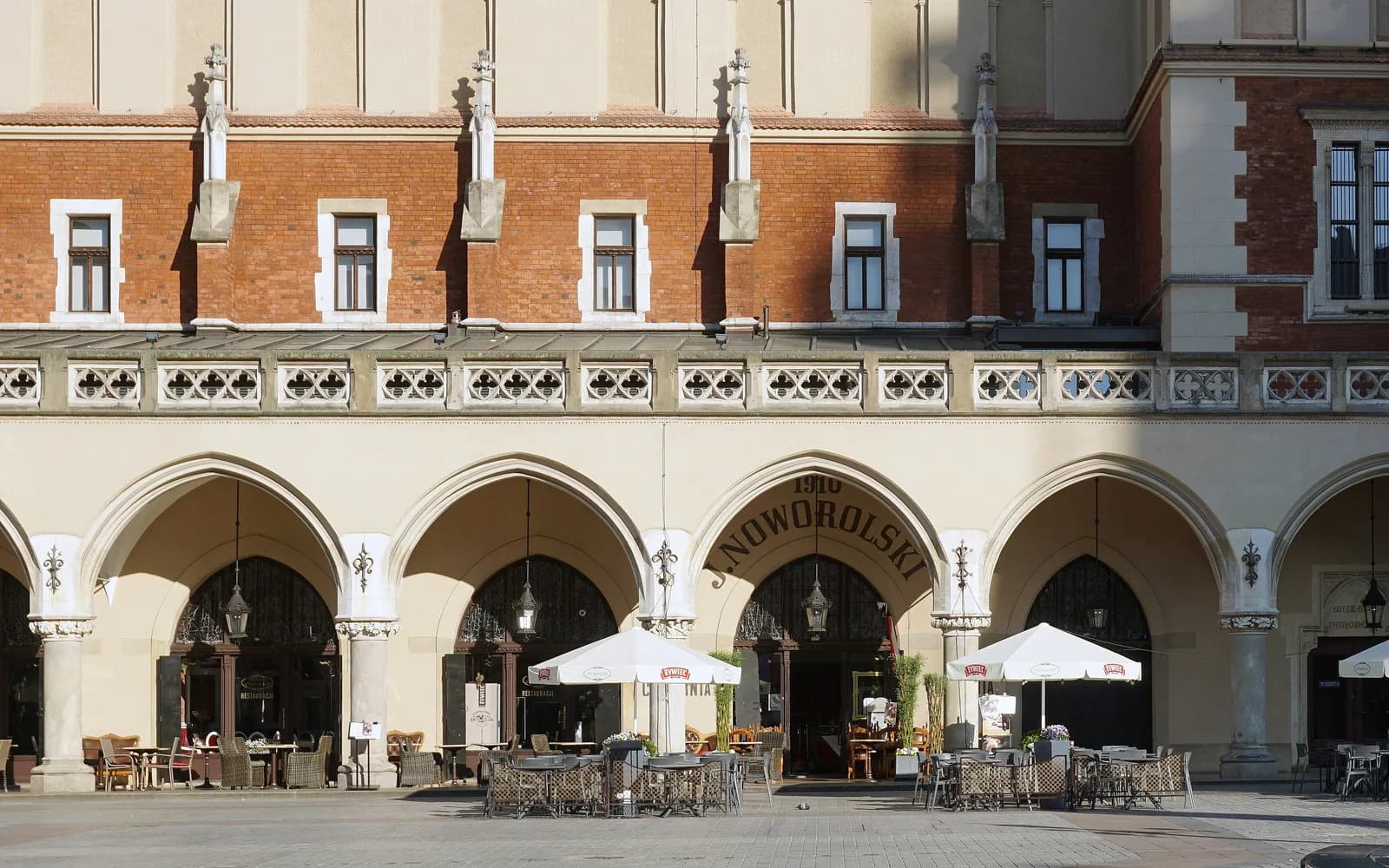
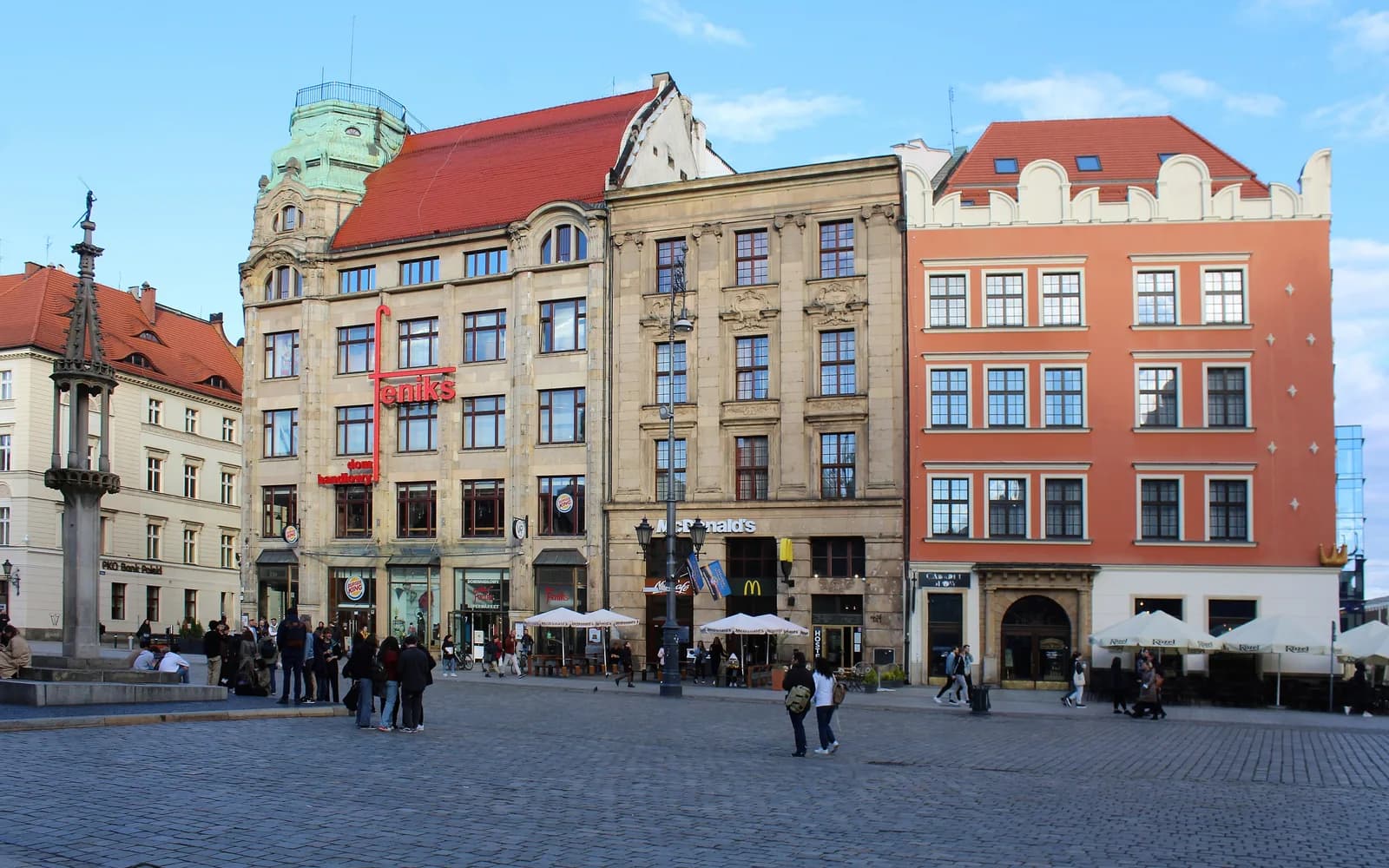
A vibrant student city of canals and young people
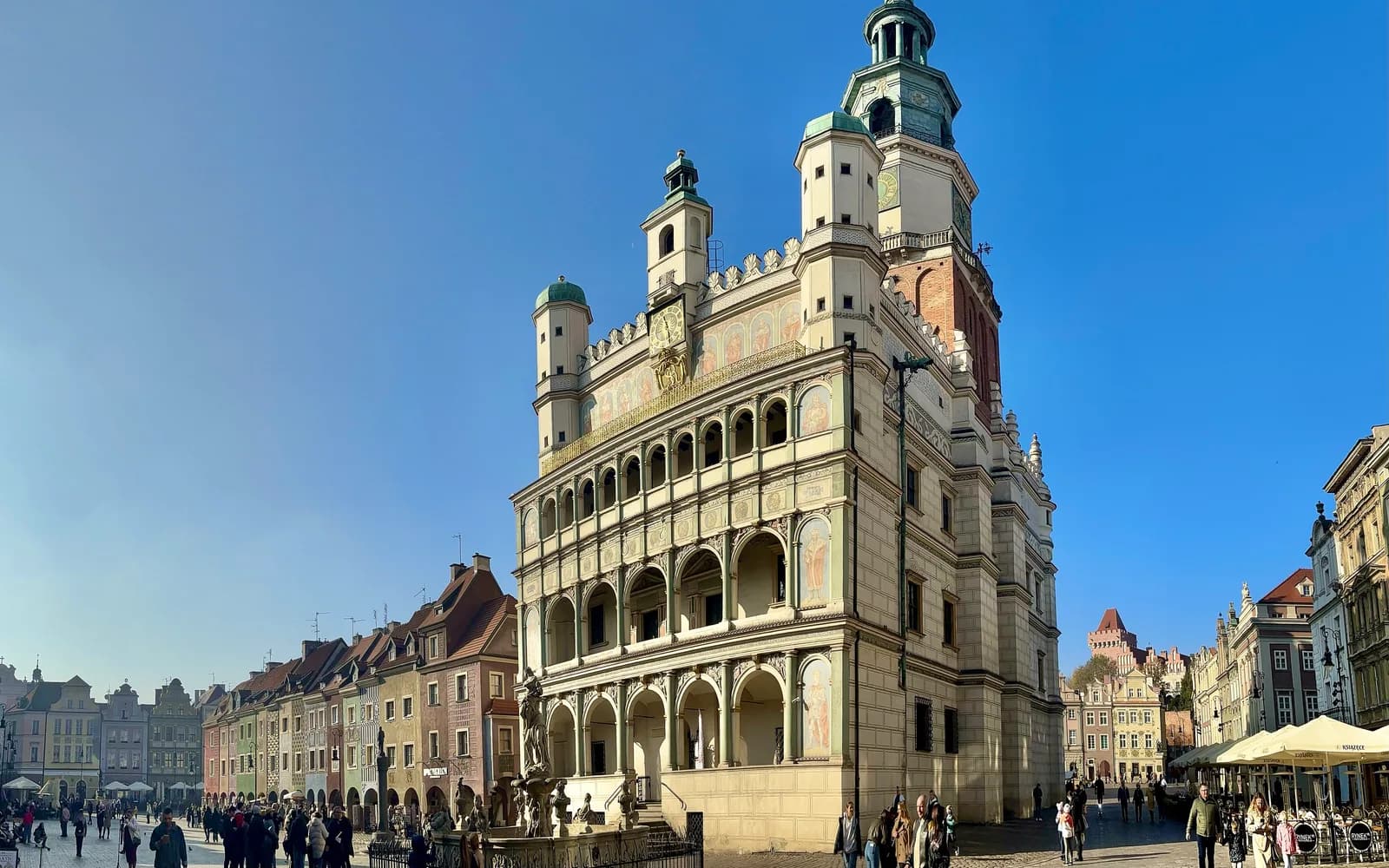
Affordable student city focused on business and education
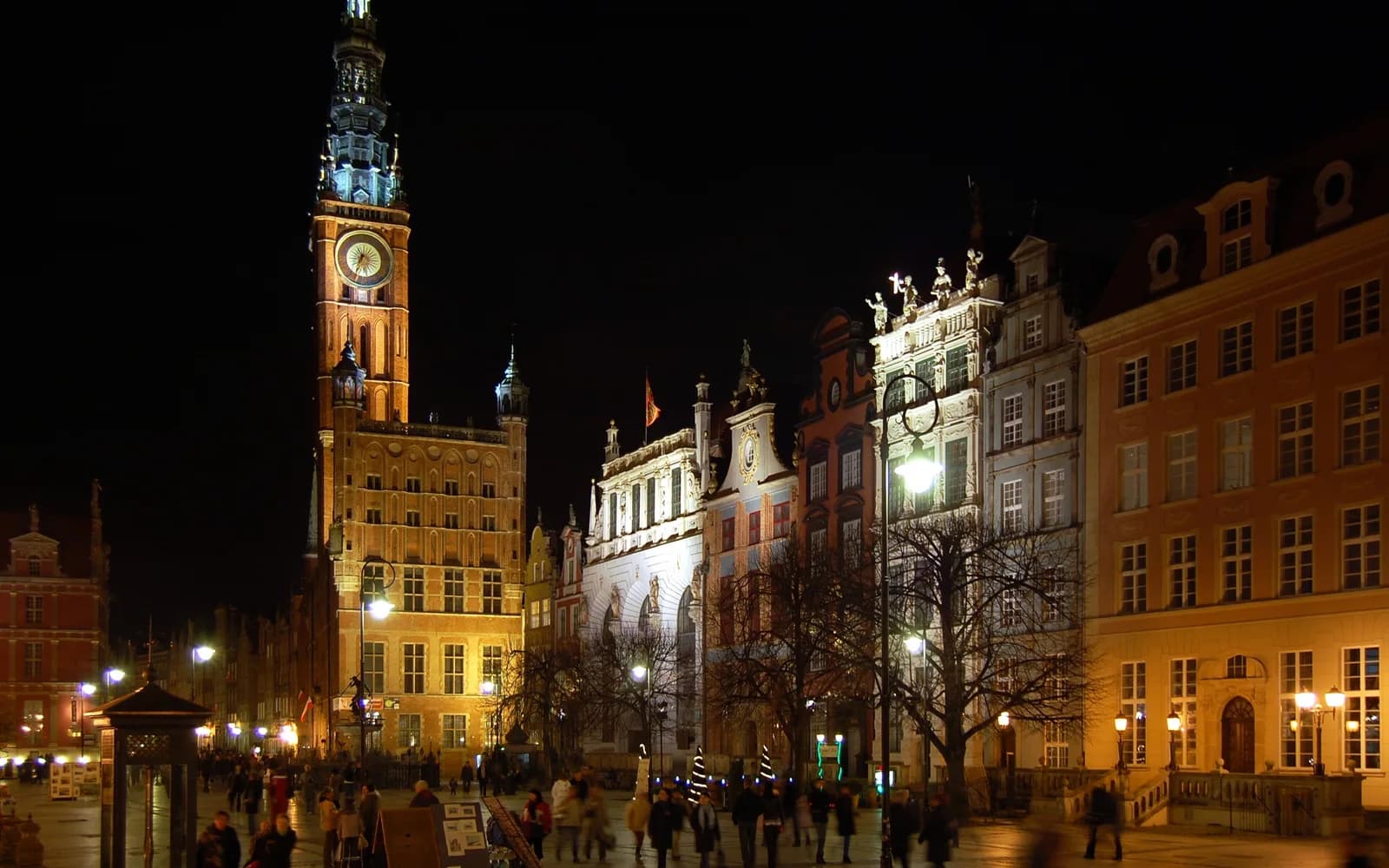
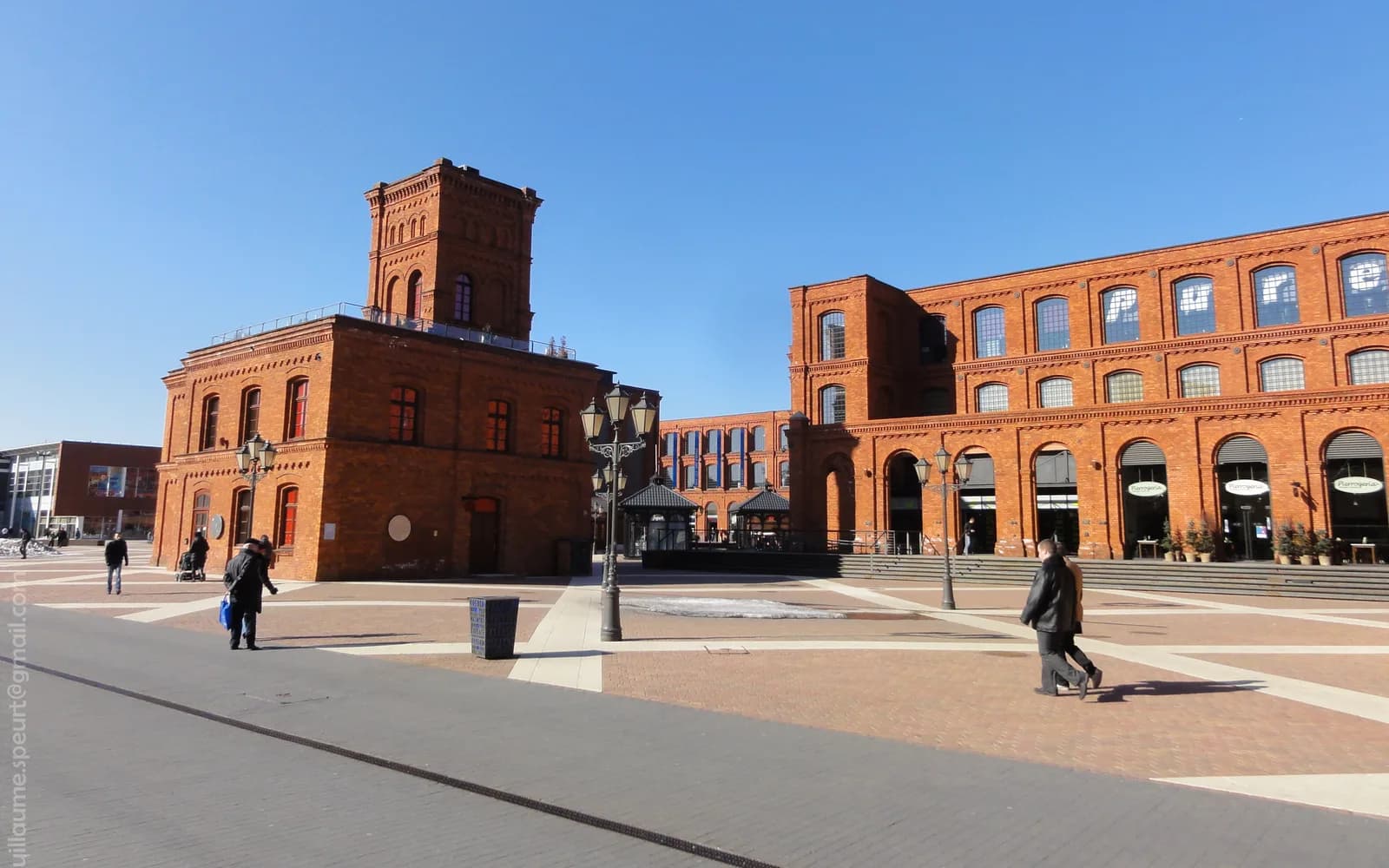
A centrally located, economical and creative city
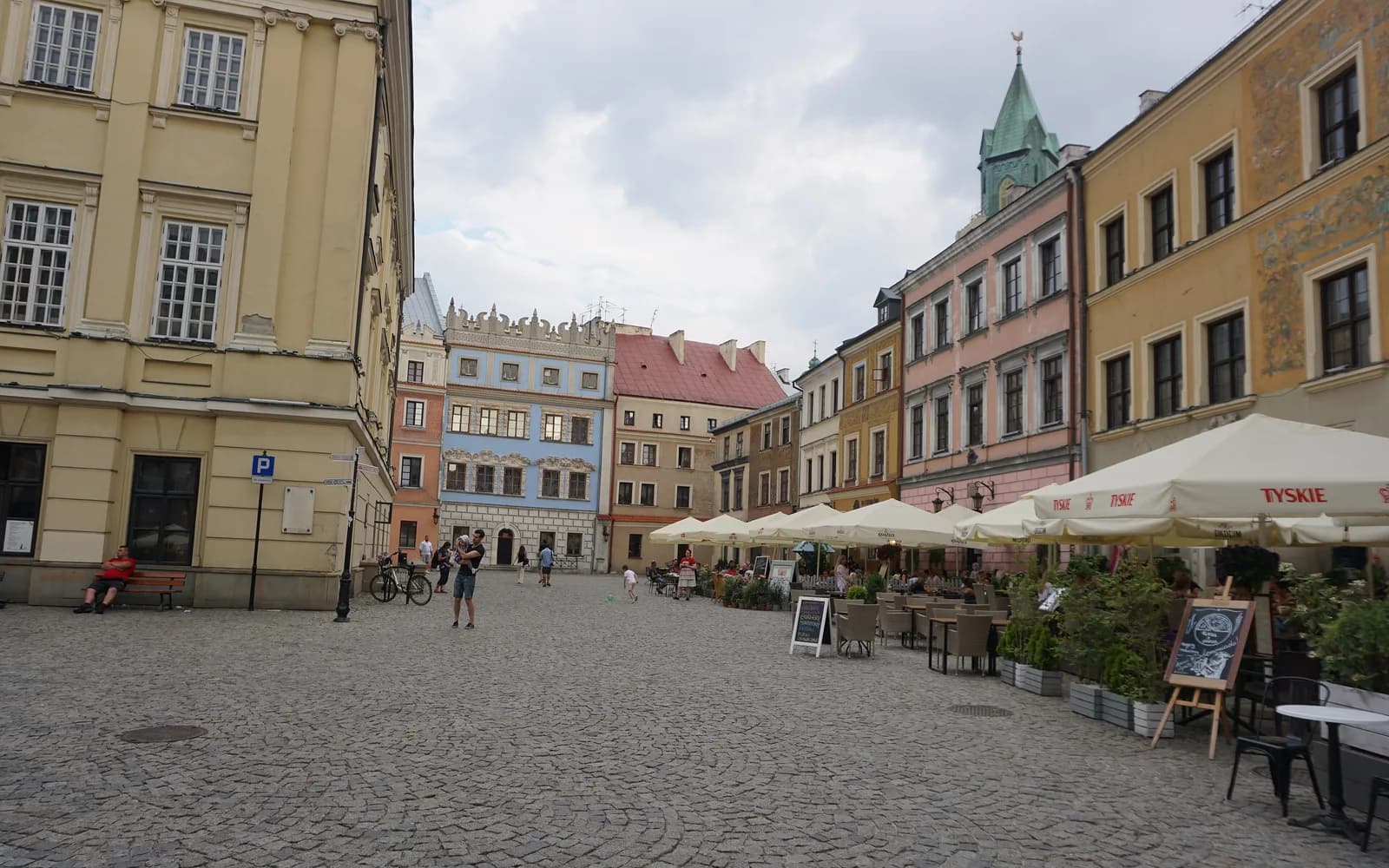
An affordable city where a large share of residents are students

A modern university city known for its green spaces
City, university and budget, settled together in a free call.