
University of Warsaw
StateSocial Sciences
Poland's capital and largest student hub
Warsaw had 1,866,729 residents as of 31 December 2025. In the 2023/2024 academic year more than 261,000 students were enrolled across 68 higher education institutions in the city: 16 run by central government bodies, 4 by religious organisations and 48 private. Town privileges were granted around 1300 by Boleslaw II of Masovia, and the first surviving written document attesting a castellany at Warsaw is dated 23 April 1313.
The rest of the monthly budget, in euro: rent 266-533 EUR, food 162-208 EUR and transport 11-21 EUR. A typical all in month comes to 731 EUR. That figure assumes a student with their own room in a shared flat who cooks at home most days and uses a discounted student transport pass, and it includes bills, phone, study materials and a normal amount of social spending.
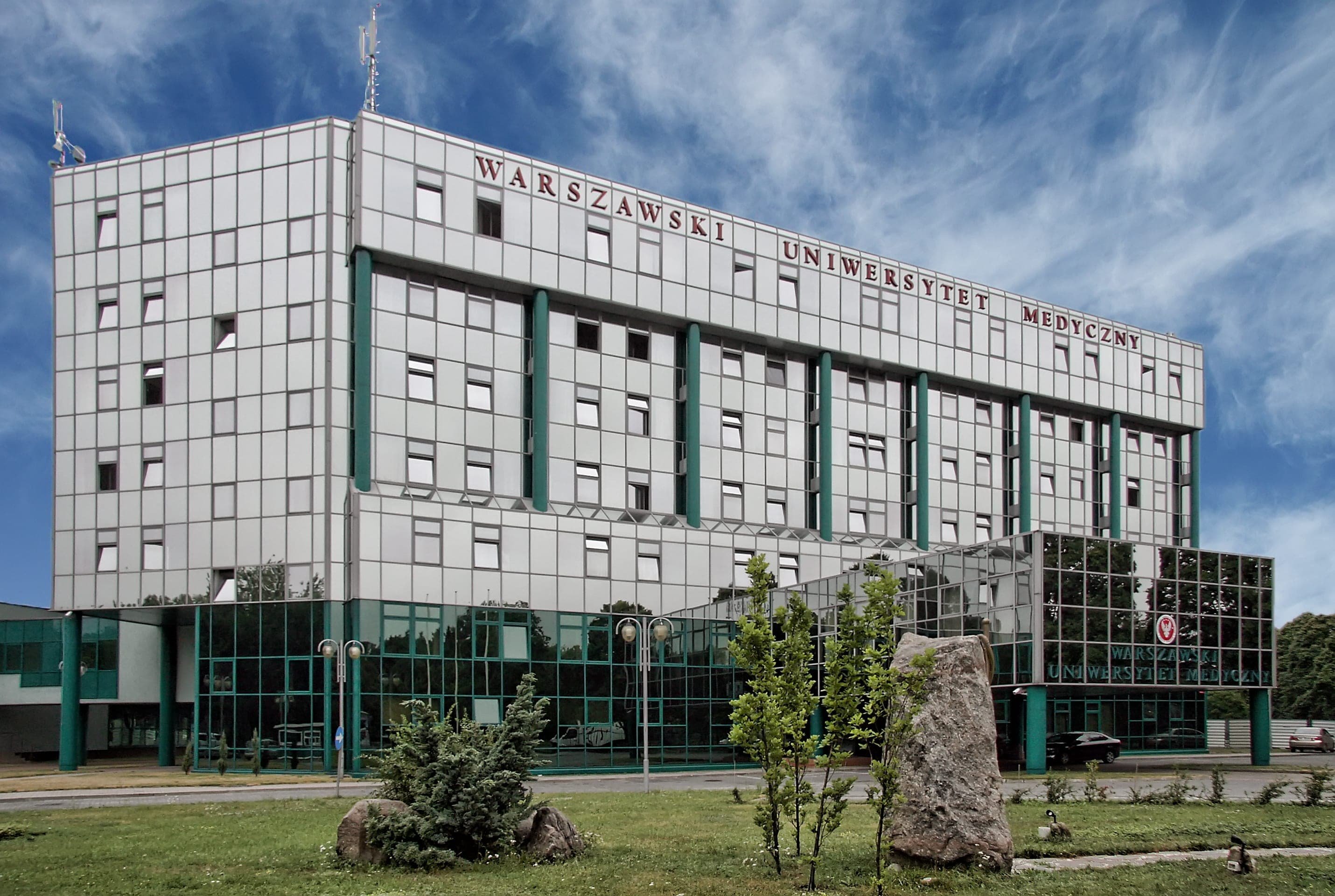
State dormitories run 520-1185 PLN per month. The University of Warsaw quotes 520 to 1100 zl per month for the 2026/2027 academic year depending on the dormitory and the room standard, notes that students are normally placed two to a room and grants a place for up to 9 months. The Medical University of Warsaw publishes a per room table for 1 October 2025 to 12 July 2026: for its own students studying in Polish, 653 zl for a place in a triple room without bathroom, 754 zl in a double without bathroom, 911 zl in a double with bathroom (DS2BIS) and 1024 zl in a single without bathroom; for English taught programmes and Erasmus exchange the same places cost 850 zl, 990 zl and 1185 zl, while a single for a student enrolled at another university is 1240 zl. A deposit equal to one month's fee is charged on top, two months for some categories at the University of Warsaw. The Medical University also publishes a semester rate at DS2BIS for English track students of 2660 EUR for a single or 1330 EUR for a double.
Private student housing runs 1500-3450 PLN per person per month for 2026-2027, with utilities, internet and shared facilities in the price. At Student Depot Suwak a place in a two person studio with bunk beds starts at 1500 zl, a two person studio with separate beds at 1790 zl and a private 16 sqm studio at 2799 zl. At Student Depot Wilanowska a place in a two person studio starts at 1995 zl, an own room in a four person flat at 2350 zl and a private studio at 3045 zl, with the larger studio at 3150 zl. Basecamp Warsaw Wenedow lists singles and studios at 3000 to 3050 zl per month, and 3450 zl for arrivals between February and July 2027. On the open market in September 2026, an own room in a shared flat costs 1200-1500 PLN, median 1300 zl, for a room of typically 8 to 14 sqm; some listings include utilities and others add them, so budget for a share of the bills unless the advert says otherwise. A self contained one room flat (kawalerka) of 22 to 34 sqm costs 2400-3000 PLN, median 2700 zl. A two room flat of 36 to 60 sqm costs 3000-4400 PLN, median 3500 zl, for the whole flat, so two students sharing it halve the rent. In both flat categories the advertised figure is rent to the landlord only, with the building administration fee (czynsz) and utilities on top.
What a year in Warsaw costs depends mostly on where a student sleeps: the gap between a dormitory place and a flat rented alone runs to several thousand zloty a month. We can go through which of these universities and which housing options fit a particular situation, and help plan the application calendar and the budget step by step. Get in touch and we will start from where you are.
Getting around runs on one integrated network, Warszawski Transport Publiczny, operated by the ZTM authority and covering metro, tram, bus and the SKM commuter rail. The metro has 2 lines, M1 and M2, with 39 stations over 41.3 km; the first section opened on 7 April 1995 with 11 stations. Trams run about 24 to 25 regular lines over a 146.2 km network that goes back to a horse tram line opened on 11 December 1866 and was fully electrified by 1908. SKM operates 5 commuter rail lines. Students of BA, BSc, engineering and MA or MSc courses get 50% off on presentation of a valid student card or the mLegitymacja mobile student ID; students of foreign schools get 50% up to their 26th birthday with an ISIC card valid for the calendar year, and doctoral students 50% up to their 35th birthday. In fares that means a 75 minute zone 1 ticket at 2.20 zl instead of 4.40 zl, a 90 minute zone 1+2 ticket at 3.50 zl instead of 7 zl, a 30 day personal zone 1 pass at 55 zl instead of 110 zl and a 90 day pass at 140 zl instead of 280 zl. The reduced 30 day Varsovian pass for zones 1+2, for people who pay their income tax in Warsaw, is 49 zl.
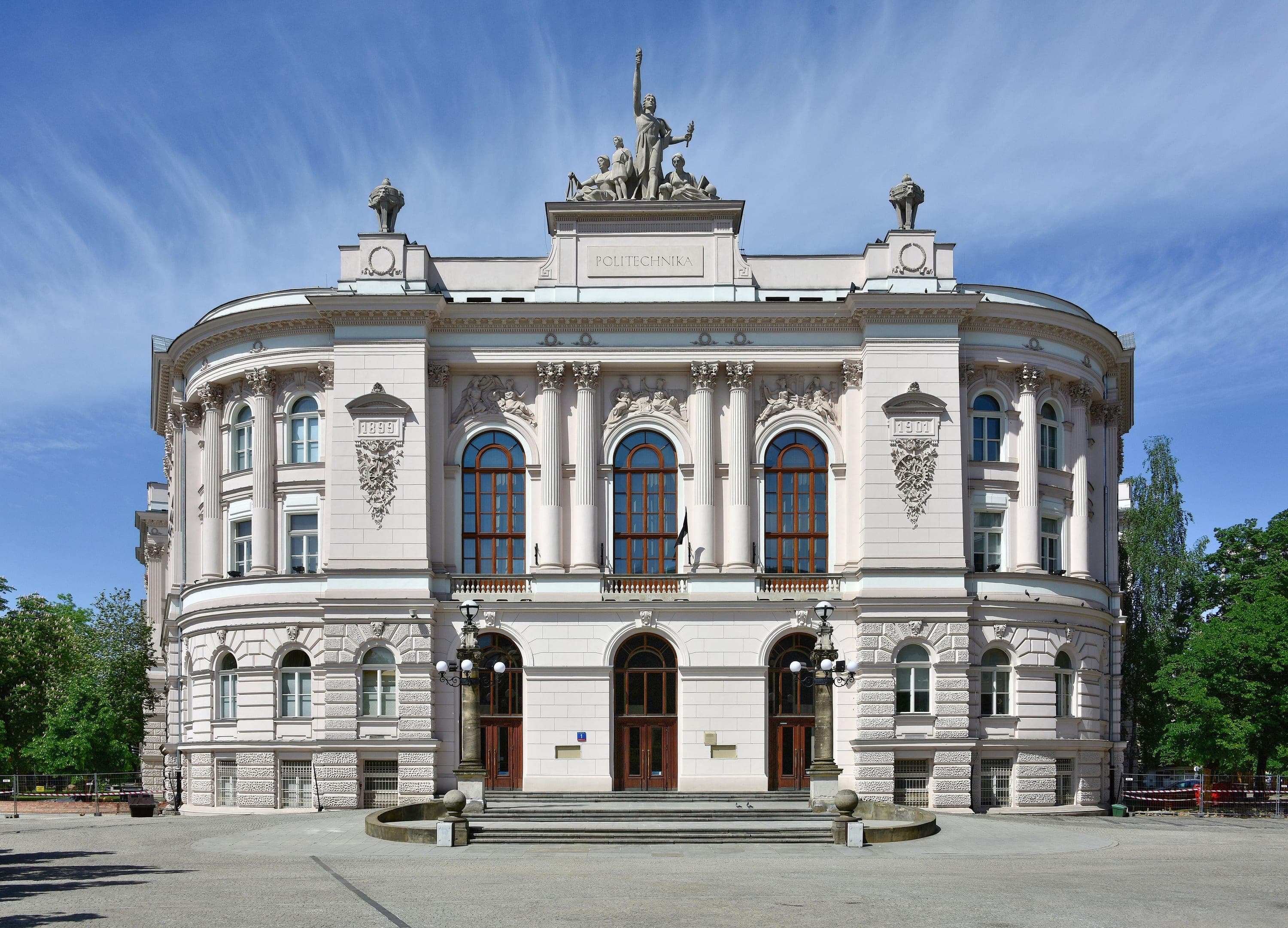
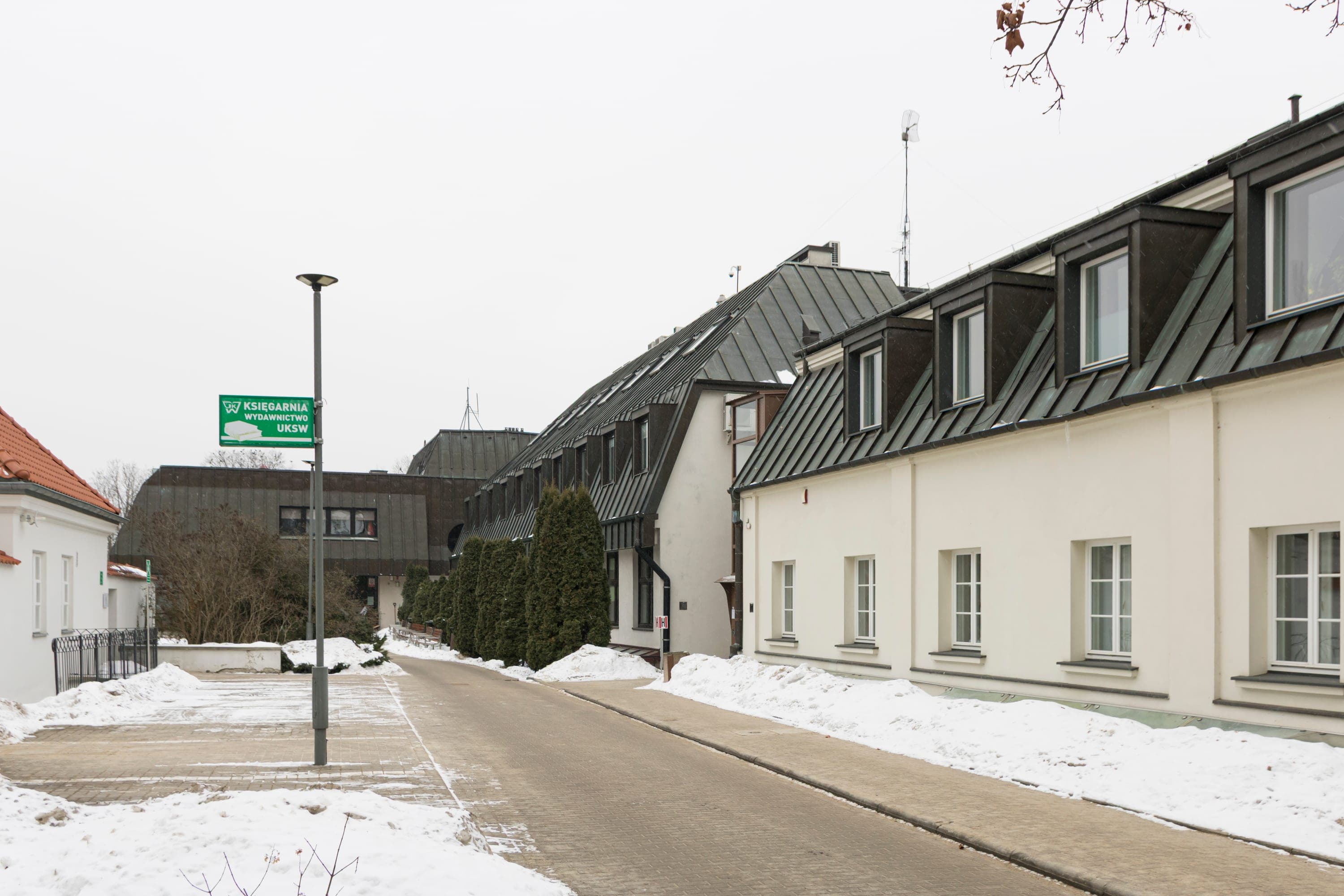
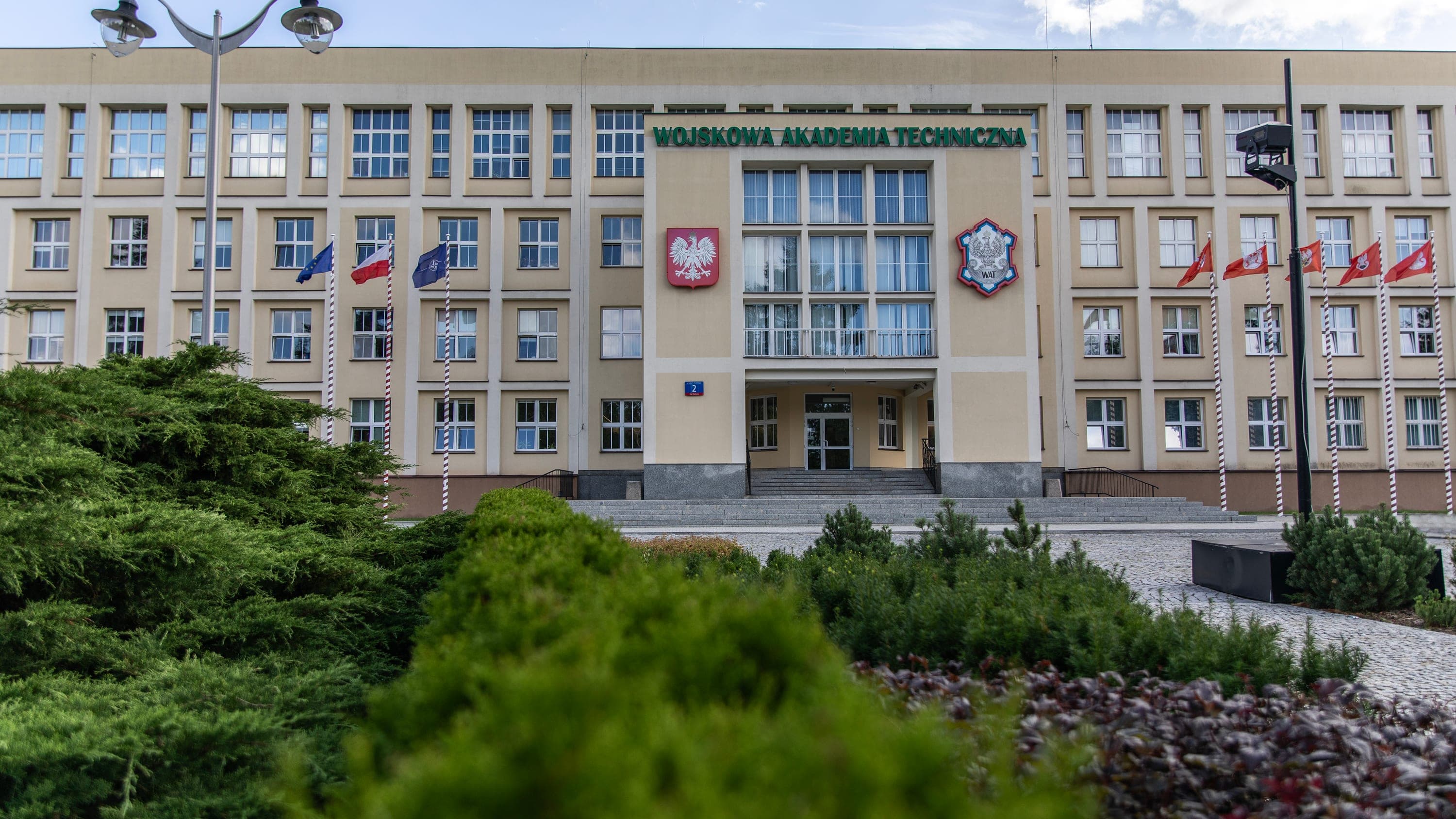
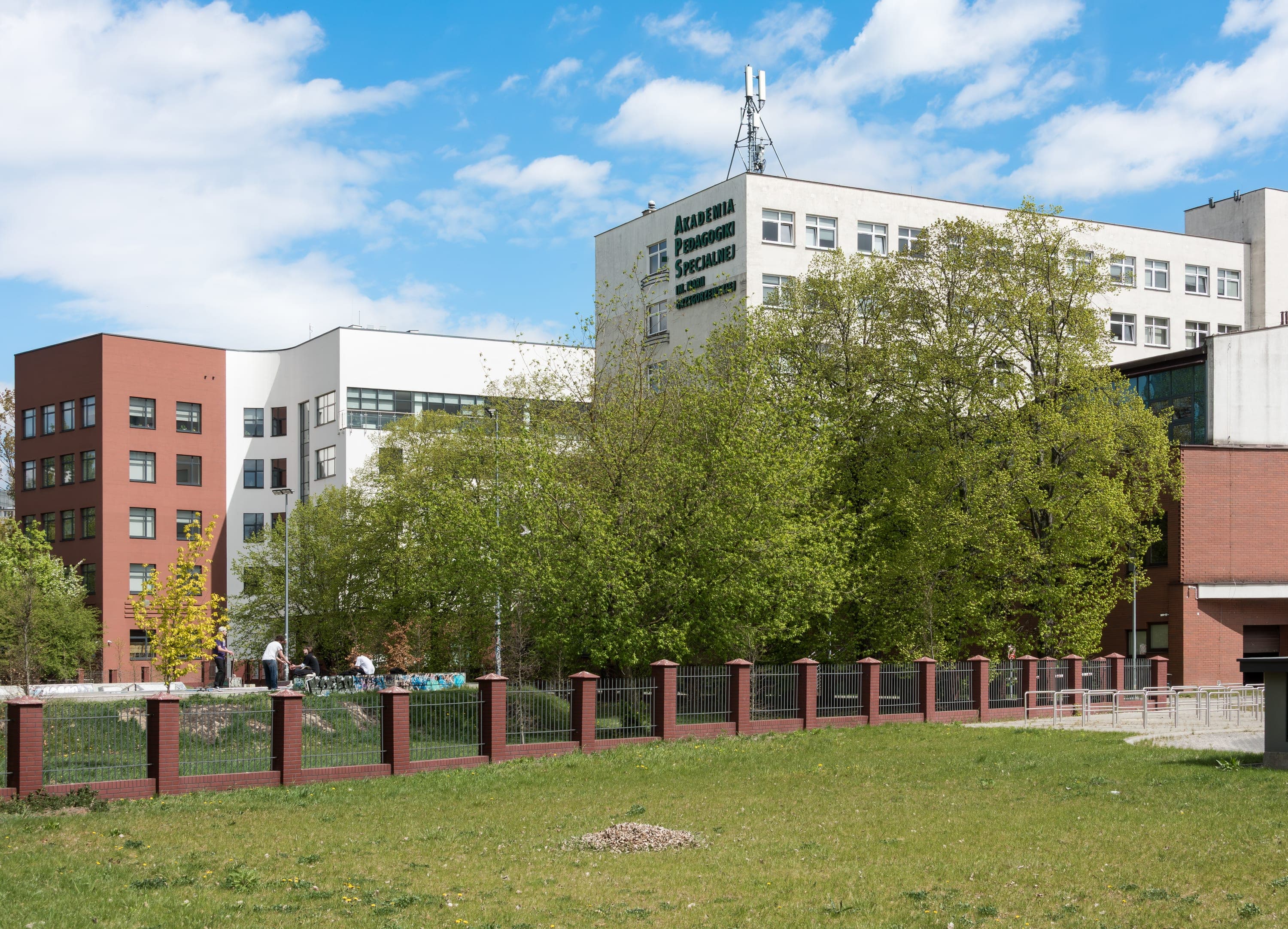
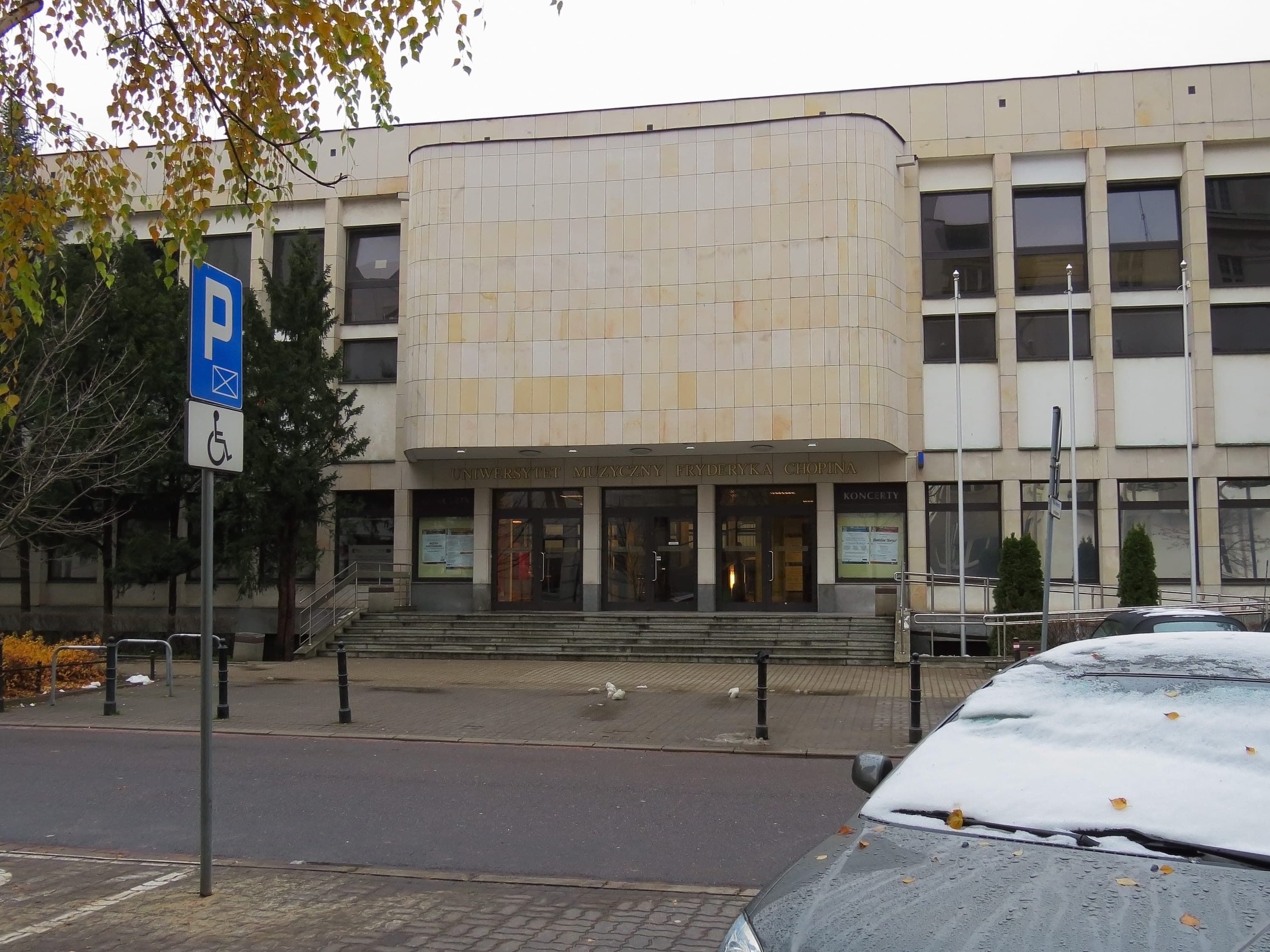
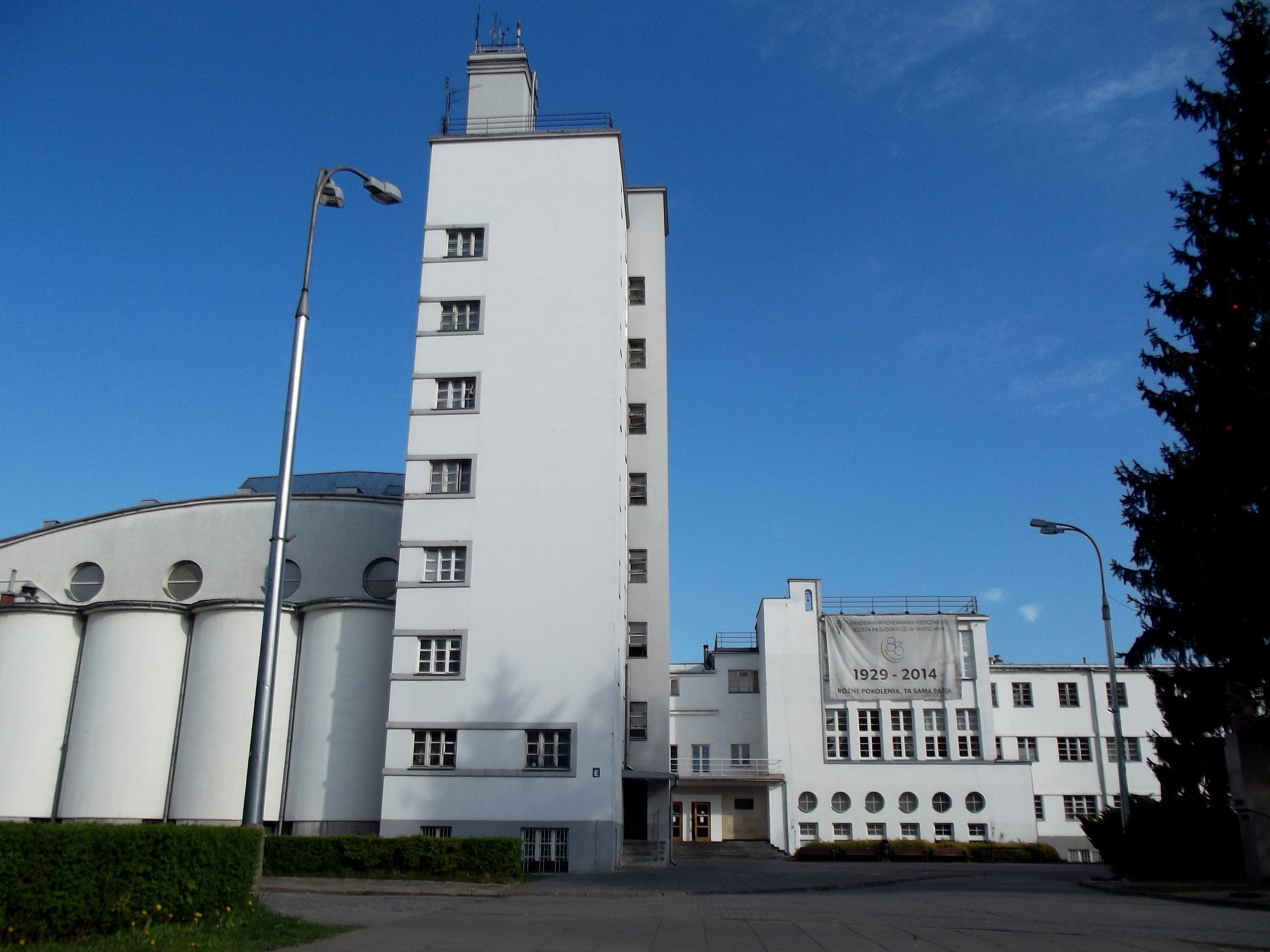
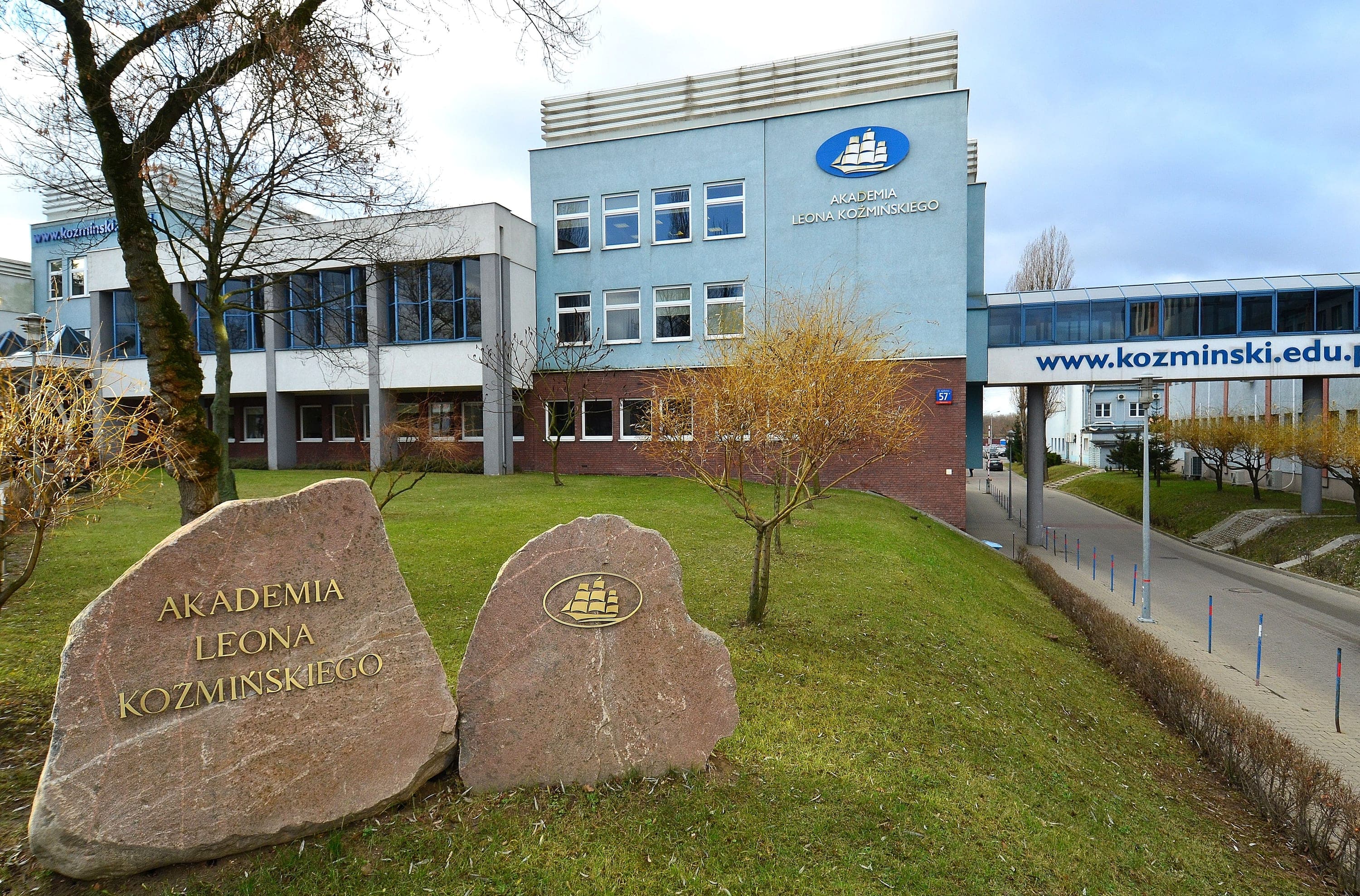
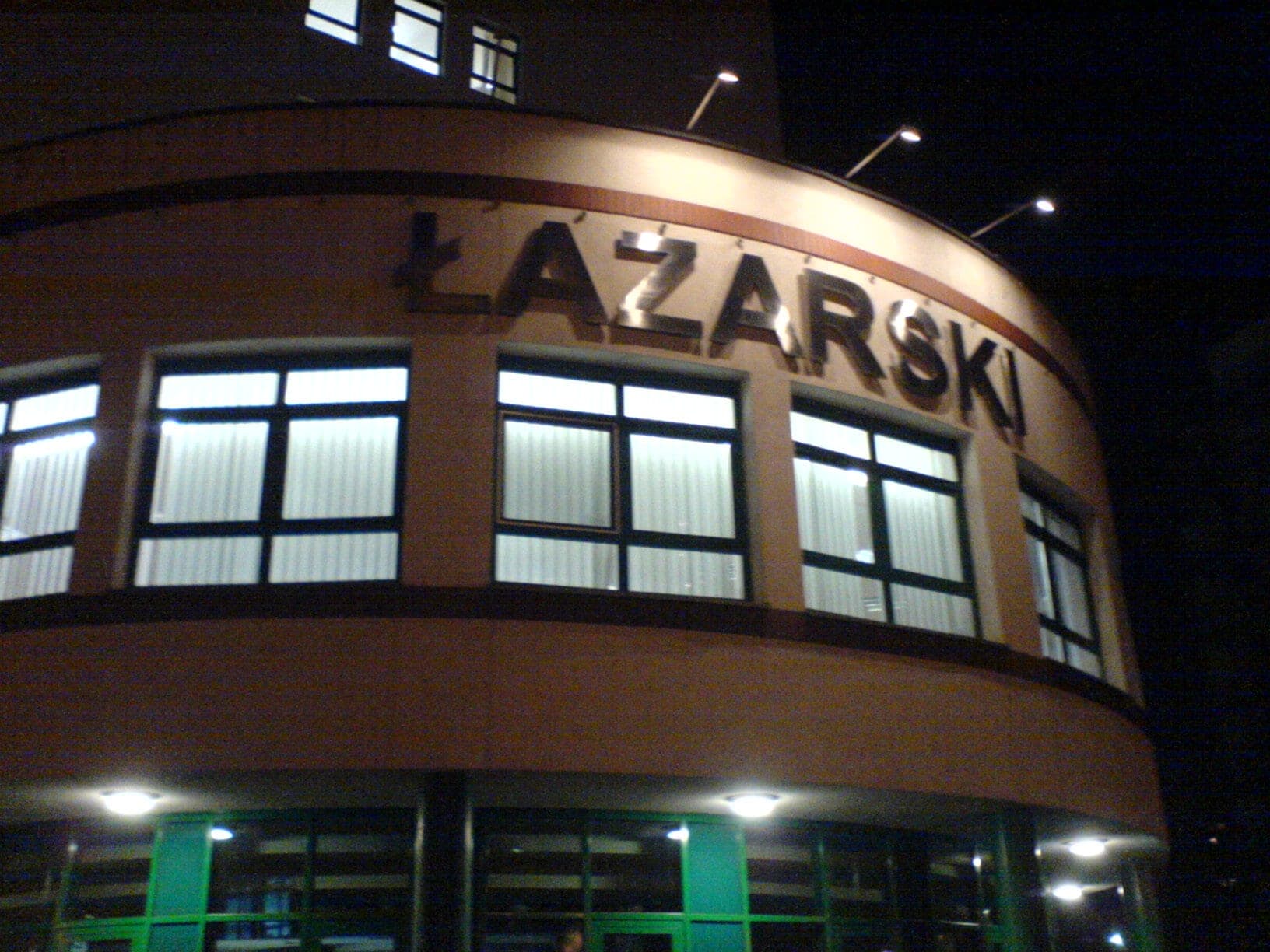
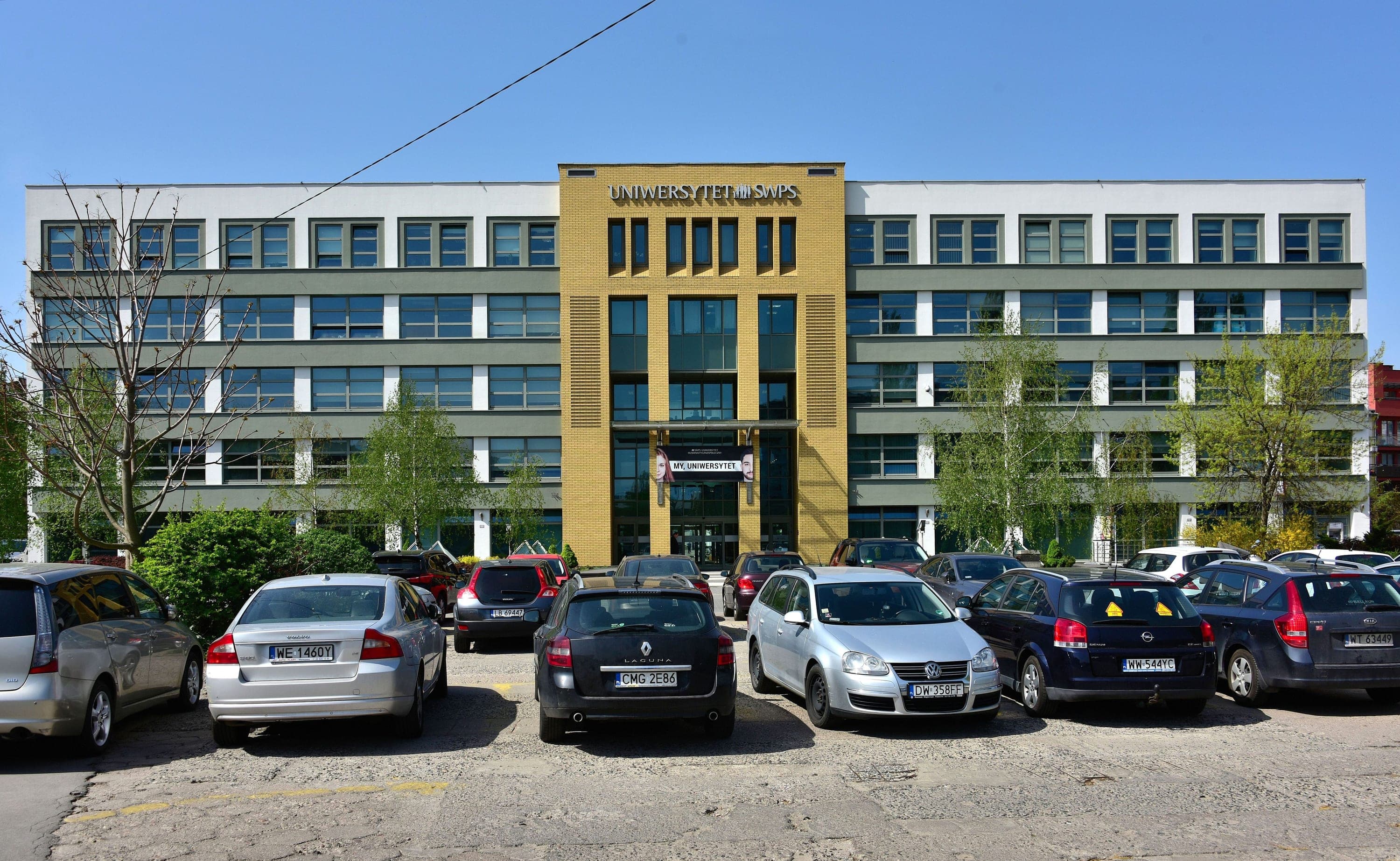
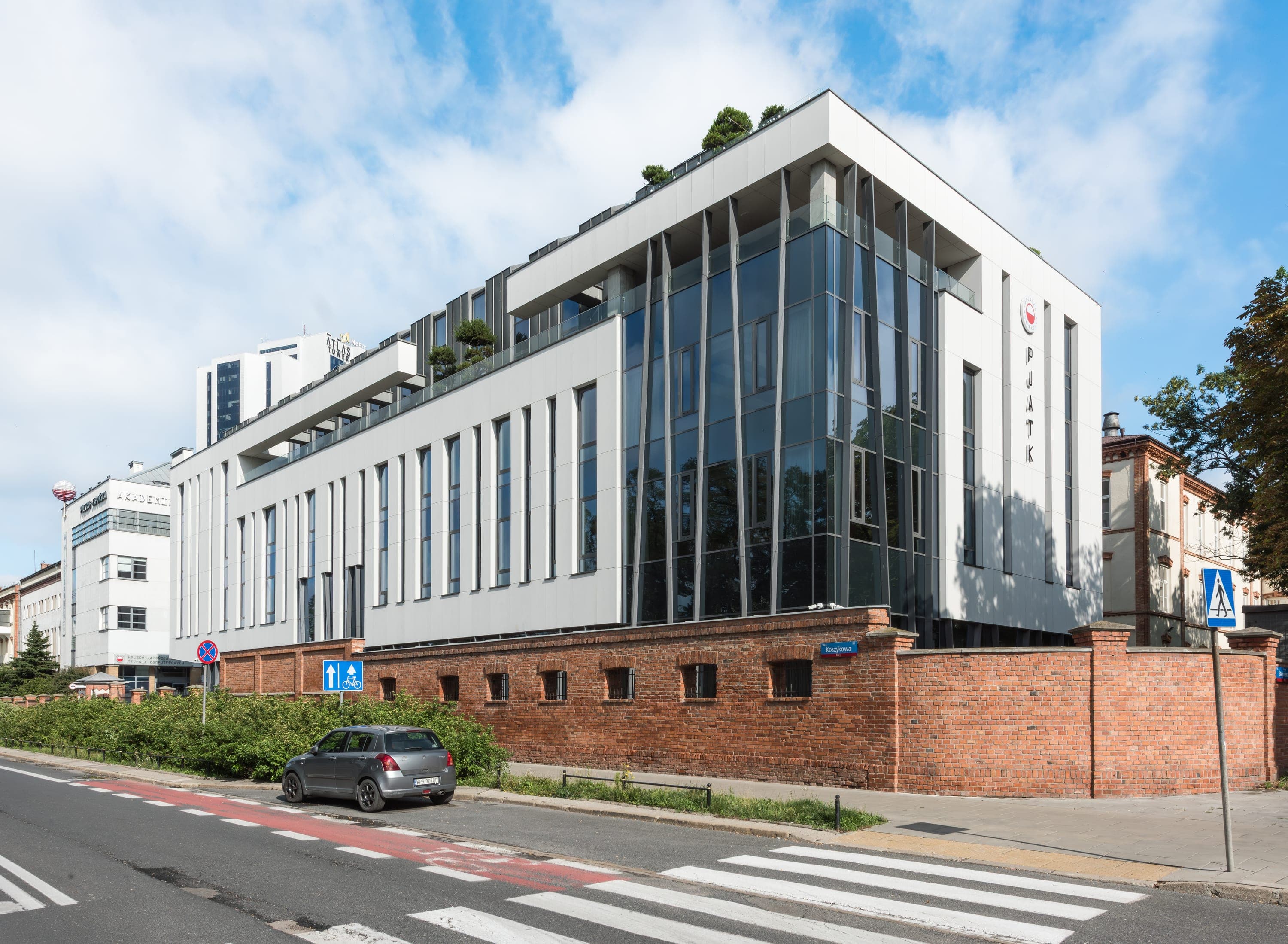
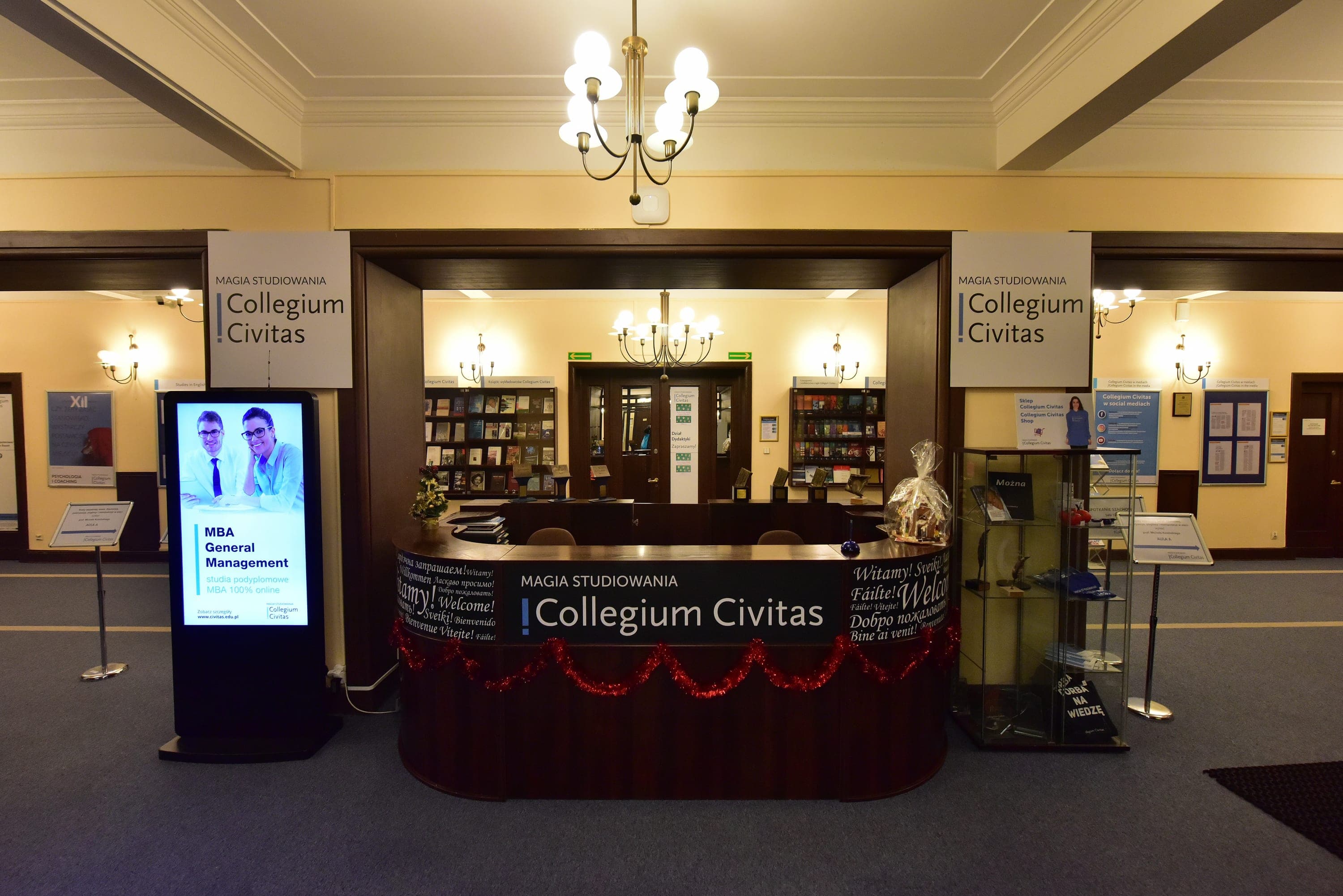
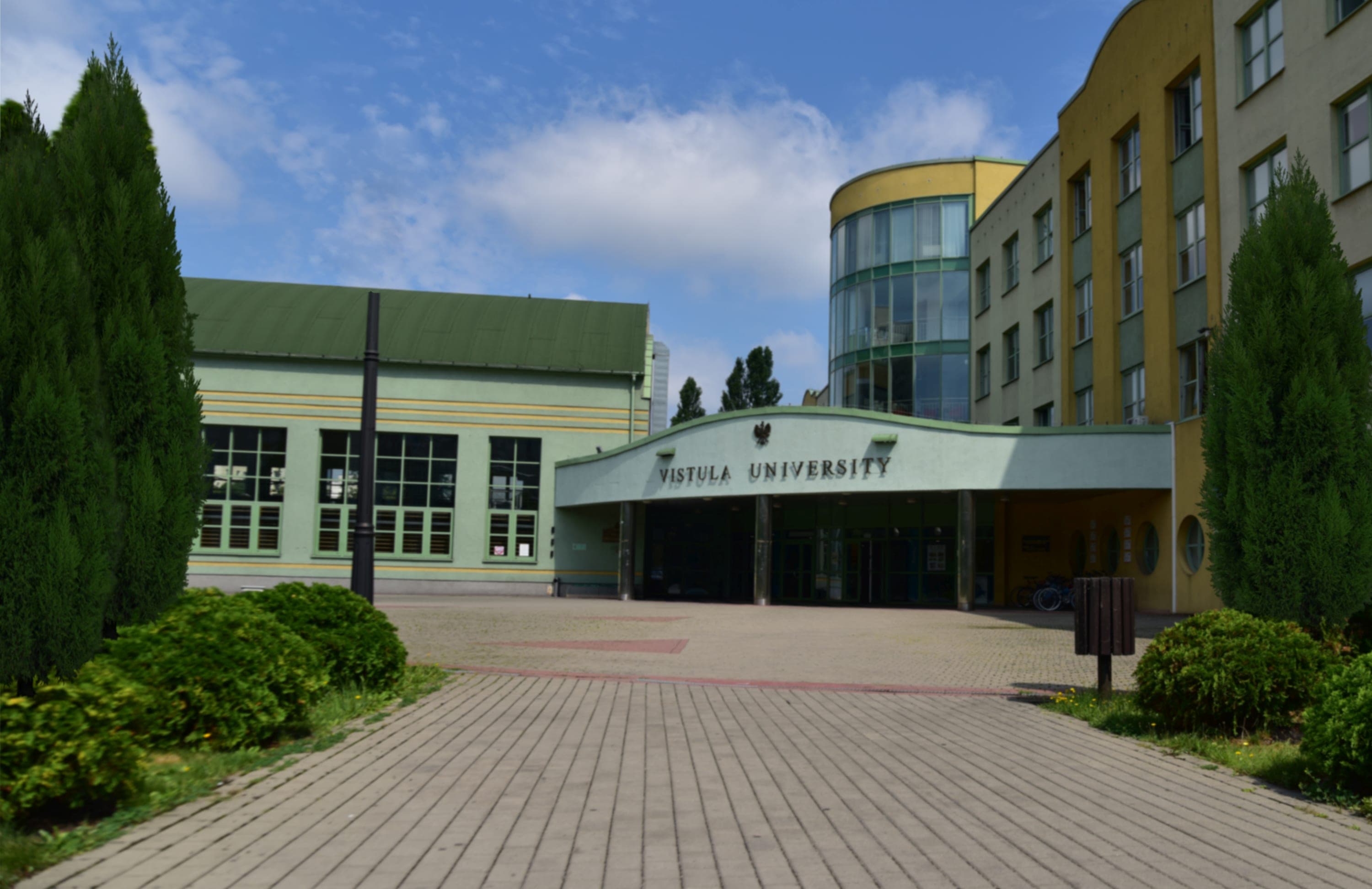
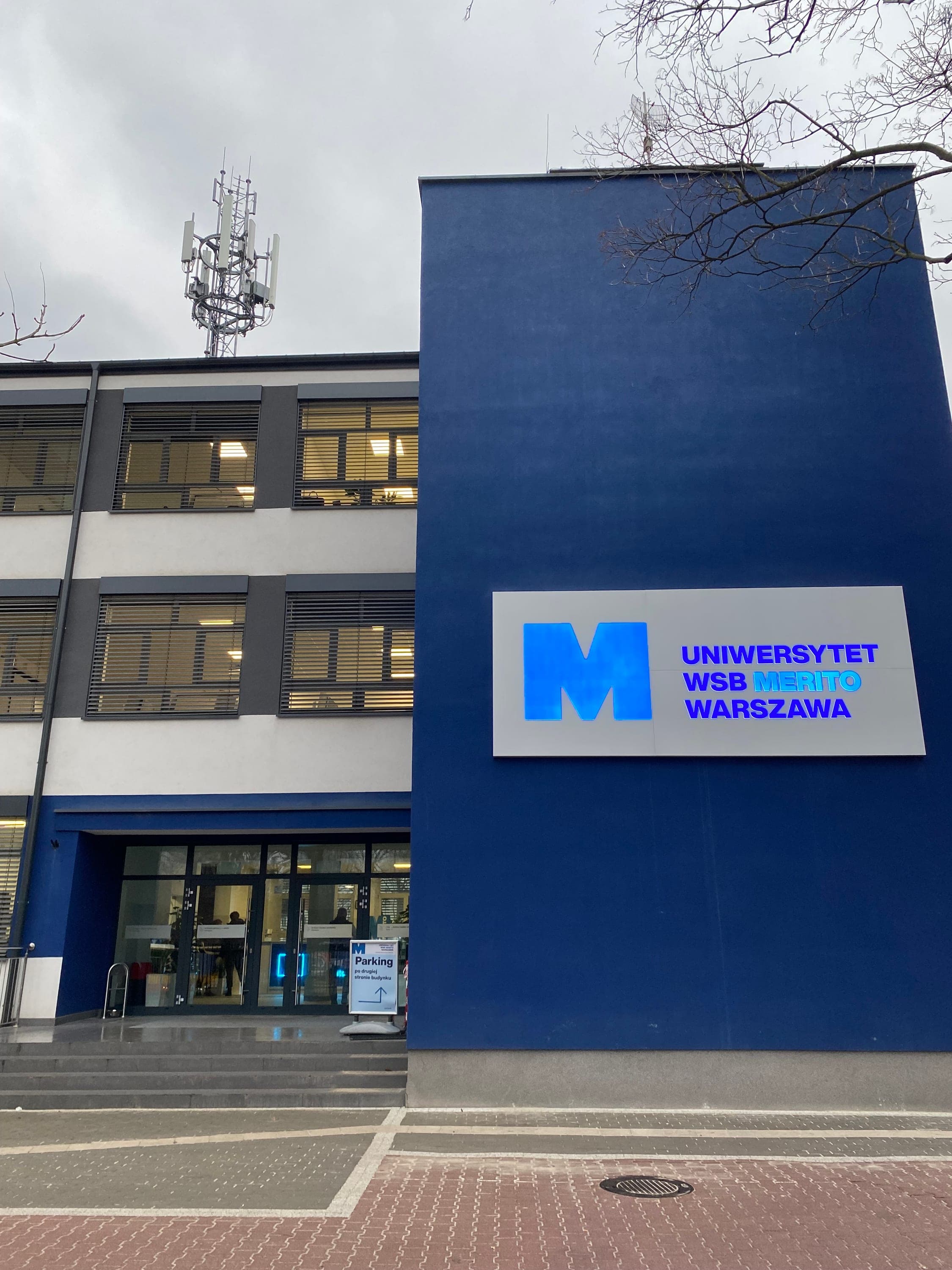
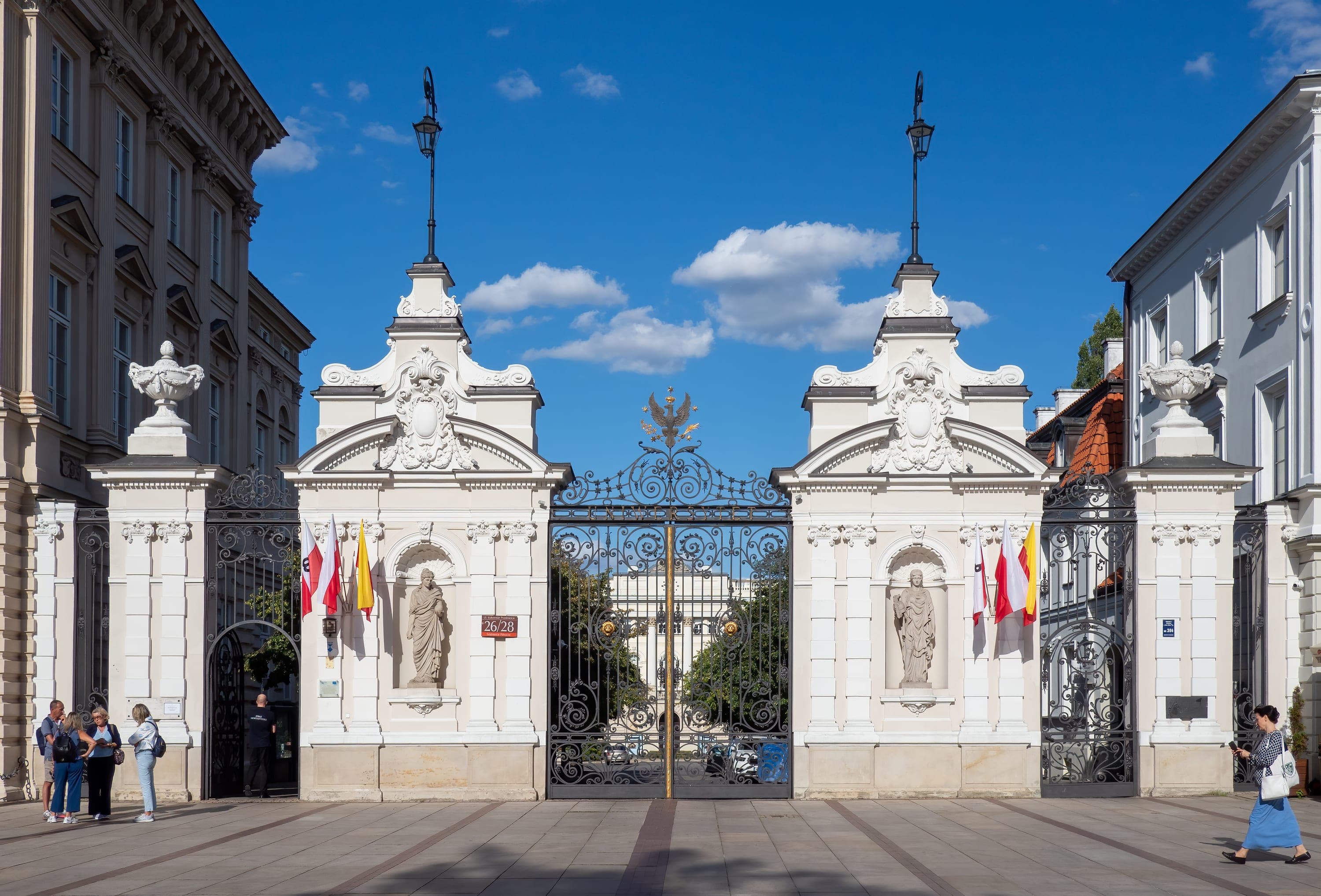
We list 21 universities in Warsaw. Among the state institutions is the University of Warsaw, founded in November 1816 by decree of Tsar Alexander I as the Royal University of Warsaw with five faculties: Theology, Law, Medicine, Philosophy, and Science and Fine Arts. Two older institutions are the Medical University of Warsaw (1809) and The Fryderyk Chopin University of Music (1810); Warsaw University of Technology followed in 1826 and SGH Warsaw School of Economics in 1906. The other state institutions are Warsaw University of Life Sciences (SGGW), The Maria Grzegorzewska University (APS), Jozef Pilsudski University of Physical Education in Warsaw (AWF), Cardinal Stefan Wyszynski University in Warsaw and the Military University of Technology (WAT). On the private side we list SWPS University, Kozminski University, Lazarski University, Vistula University, Civitas University (Collegium Civitas), VIZJA University, WSB Merito University in Warsaw, the Polish-Japanese Academy of Information Technology, Warsaw University of Business and Psychology Moderna, the European University of Law and Administration (EWSPA) and Warsaw Medical-Technical University of Applied Sciences.
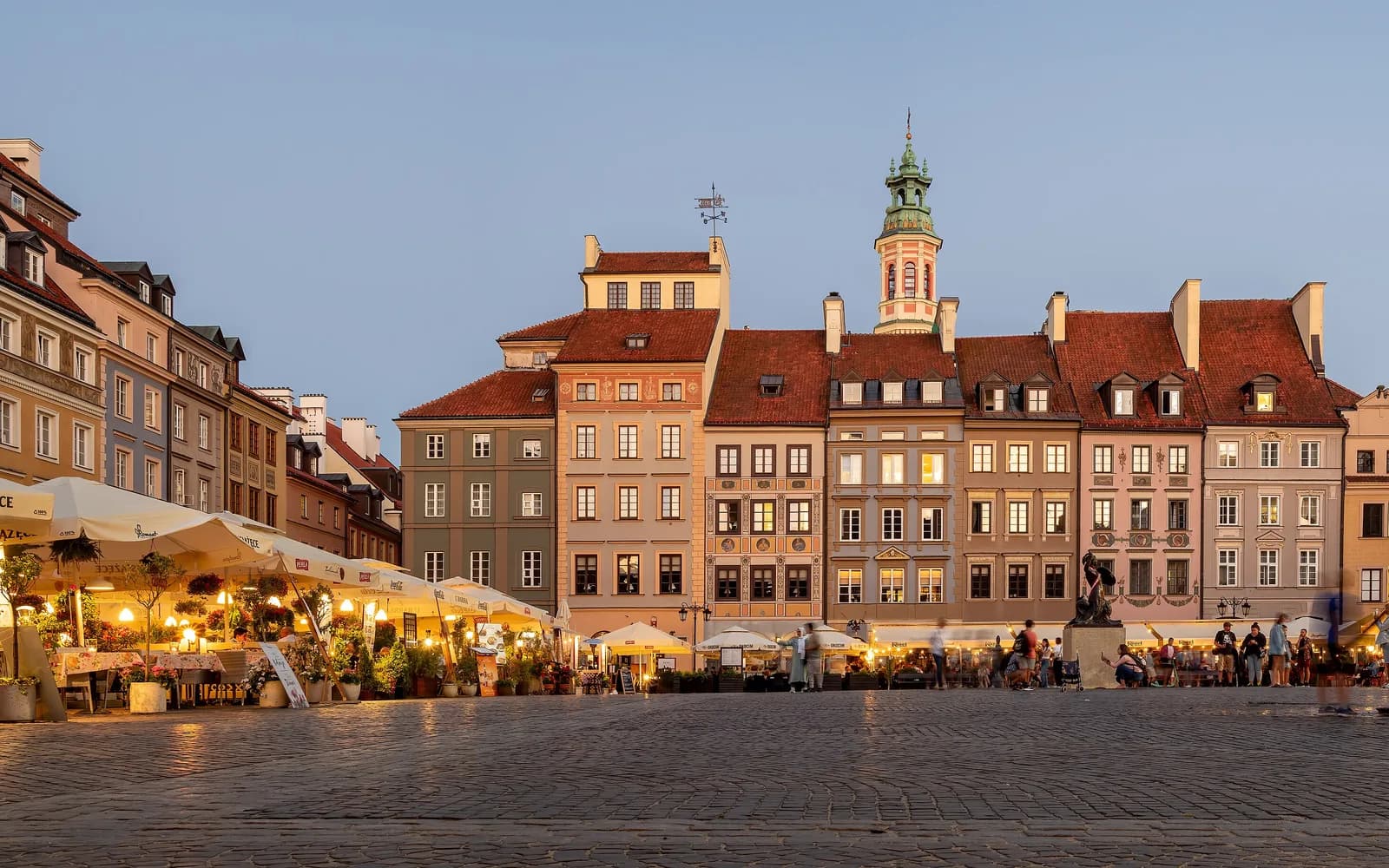
The royal court moved here from Krakow in 1596 under Sigismund III Vasa, and the city was formally designated capital of the Kingdom of Poland at the Congress of Vienna settlement of 1815. Nineteenth century industry ran on textiles, machinery and metal, and food processing; after 1945 the Huta Warszawa steelworks in Bielany, the Ursus tractor works and the FSO passenger car factory in Praga-Polnoc took over, and machine and metallurgical industry dominated until the 1980s. The German army bombed the city in September 1939. The Ghetto Uprising followed in 1943, and the Warsaw Uprising began on 1 August 1944 and lasted 63 days, after which the Germans systematically burned and demolished what still stood. About 85% of the city was destroyed, including the Old Town and the Royal Castle. The Old Town was rebuilt between 1947 and 1951, reopened on 22 July 1953, and was inscribed on the UNESCO World Heritage List on 2 September 1980 as an example of the complete reconstruction of a historic urban ensemble.