

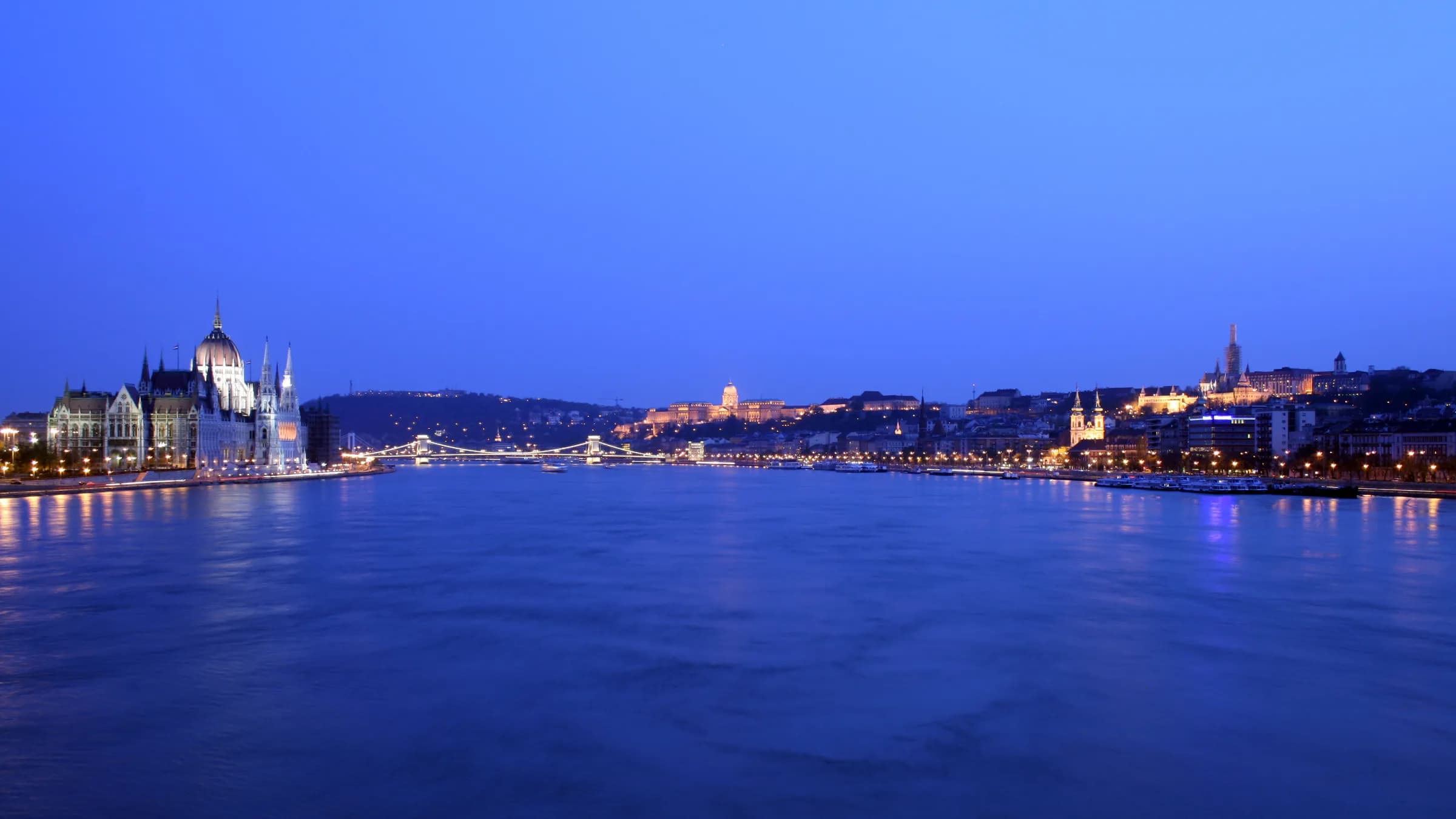

In Hungary we work across four cities: Budapest, Debrecen, Szeged and Pécs. Seven universities from the country are listed in our catalogue, which is a short enough list to compare one by one.
The currency is the Hungarian forint (HUF).
Deciding between the cities, and between the seven universities, is the part we do with you. Book a consultation and we will go through the options that match what you want to study.
Hungarian higher education follows the Bologna structure and uses a credit system. There are three shapes: bachelor’s degrees (BA and BSc), master’s degrees (MA and MSc), and undivided one tier programmes.
Medicine, dentistry, pharmacy, veterinary medicine, architecture, law and teacher training are not split into bachelor’s and master’s. They are taught as a single undivided programme.
The length and credit load of those programmes is set by field: medicine 12 semesters and 360 credits, dentistry 10 semesters and 300 credits, pharmacy 10 semesters and 300 credits. Undivided programmes generally run 10 to 12 semesters, that is 5 to 6 years.
The Hungarian university tradition begins in 1367, when King Louis the Great founded the country’s first university at Pécs.
That medieval institution operated for only a few decades. The present day University of Pécs traces its history to that founding.
Each university page in our catalogue states the founding year where two independent sources confirmed it.
A bachelor’s application needs a secondary school diploma, a transcript and proof of English. The accepted tests and scores differ by programme.
Medicine, dentistry and pharmacy programmes apply an entrance examination. It usually covers biology and chemistry, and some universities add an interview.
A residence permit application requires evidence of the language ability needed to follow the studies.
Documents require a sworn translation and an apostille.
A degree earned abroad needs recognition from the Council of Higher Education, YÖK, to be valid in Turkey. Applications are made through denklik.yok.gov.tr.
Before enrolling, we suggest checking whether the university is recognised by YÖK at okultanima.yok.gov.tr. A degree from an institution that is not recognised cannot receive recognition.
We list 7 universities across 4 cities in Hungary: Budapest, Debrecen, Szeged and Pécs. 6 are state institutions and 1 is private.
Our Hungarian programme list is narrower than our Polish one. We add programmes as we verify them, so if a field you are interested in is not listed, it is worth asking.
The typical all in monthly figures in our catalogue are Szeged 396 EUR, Debrecen 510 EUR, Pécs 571 EUR and Budapest 685 EUR.
Those figures assume a student in a shared flat or a dormitory who cooks at home most days and holds a discounted student transport card. Bills, phone, course materials and a normal amount of going out are included.
Dormitory and rental prices appear in the currency they are published in, that is forint, on each city’s own page.
Third country nationals need a residence permit for the purpose of study. It is issued to those who have established a full time learning relationship with a state recognised higher education institution.
The application is submitted to the Hungarian consulate in the country of residence or nationality and is decided by the competent regional directorate. Those already in Hungary can apply directly to the directorate.
The permit is valid for at least one year, or for the length of the course if it is shorter. The maximum validity of the document is three years.
Applications require comprehensive health insurance, or evidence that the applicant can cover those costs. Sufficient resources for subsistence, accommodation, the exit journey and healthcare must also be shown, through a bank certificate or a notarised undertaking by a family member.
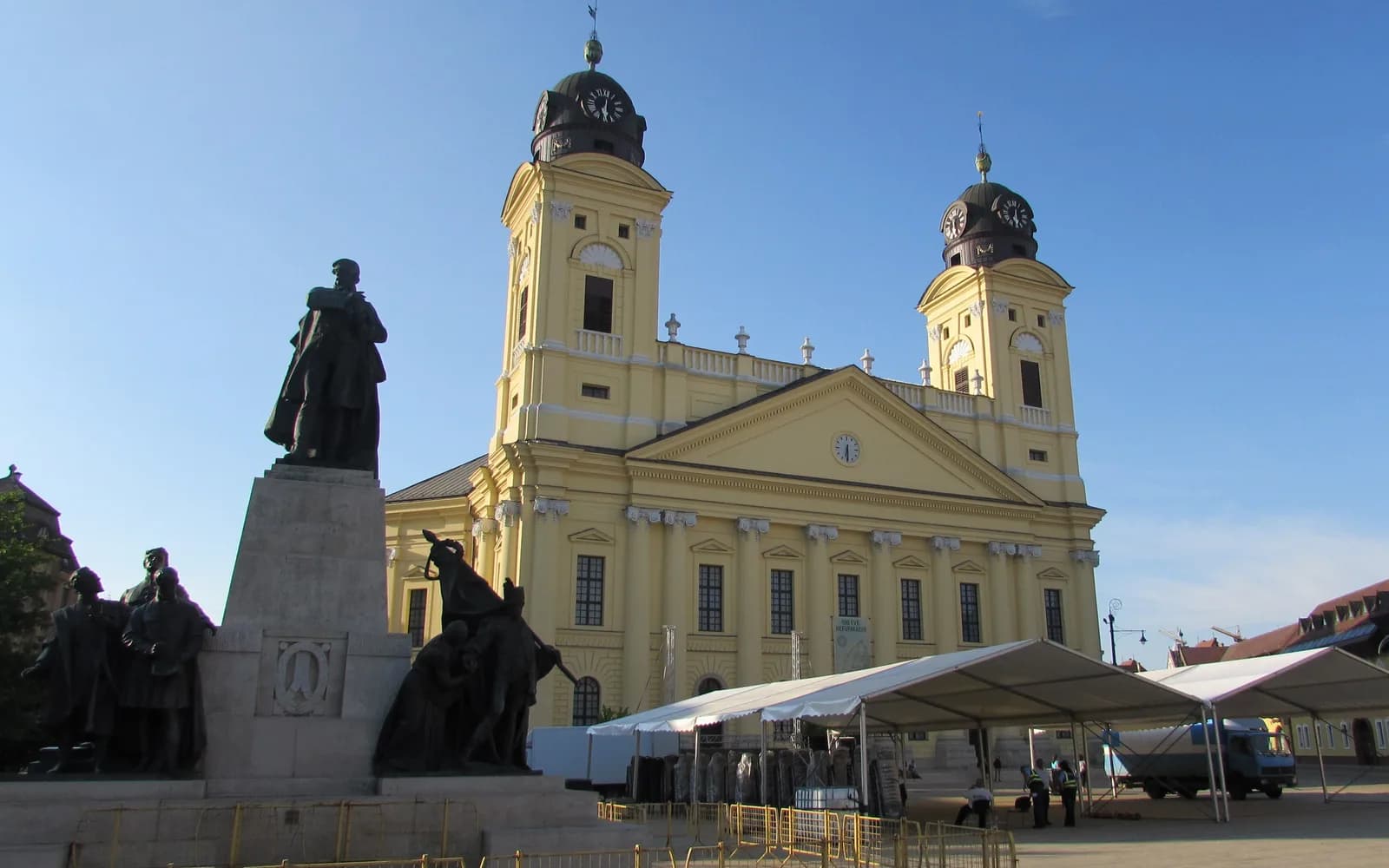
Hungary's second city and a major medical centre
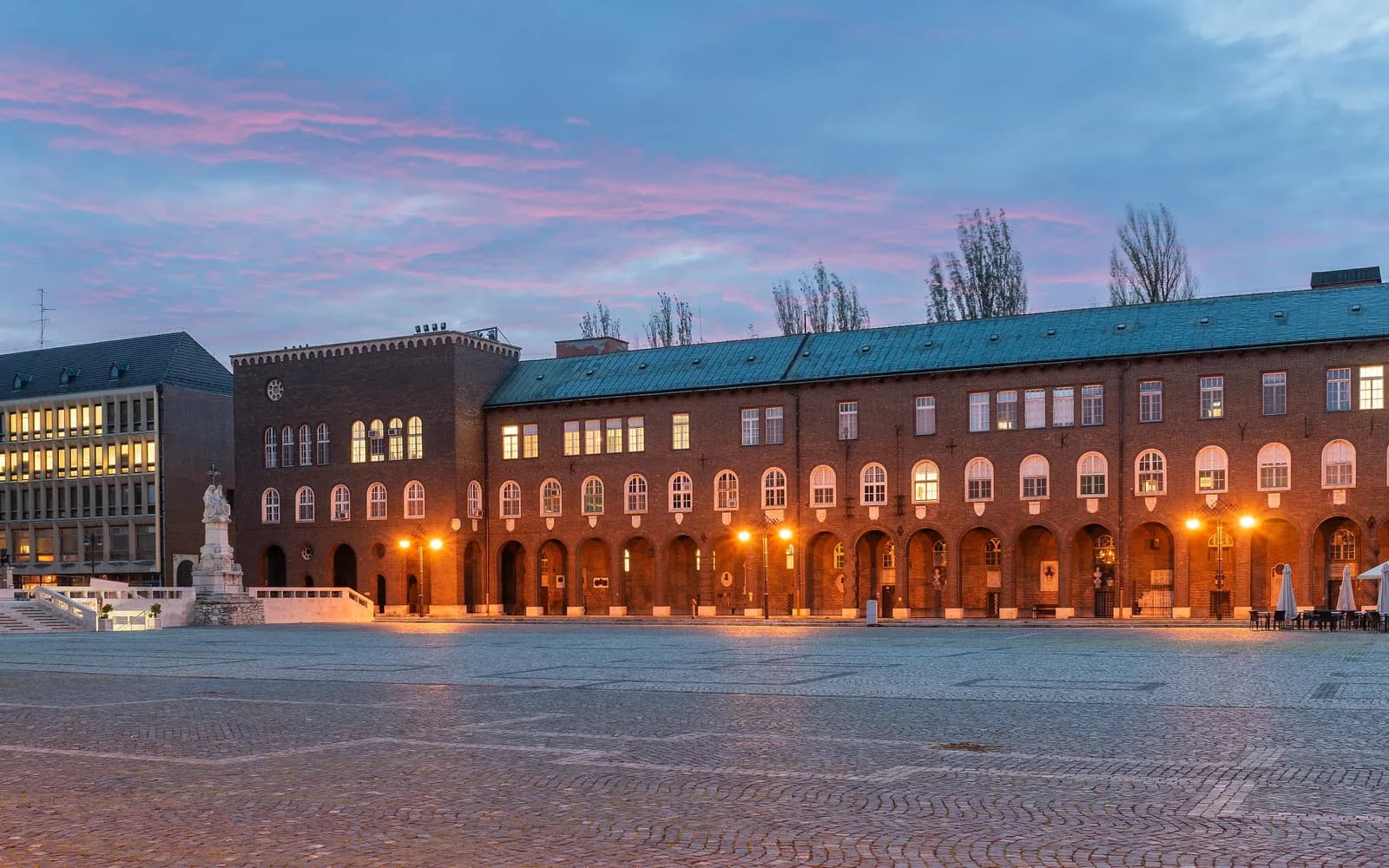
A peaceful university town known as the 'City of Sunshine'
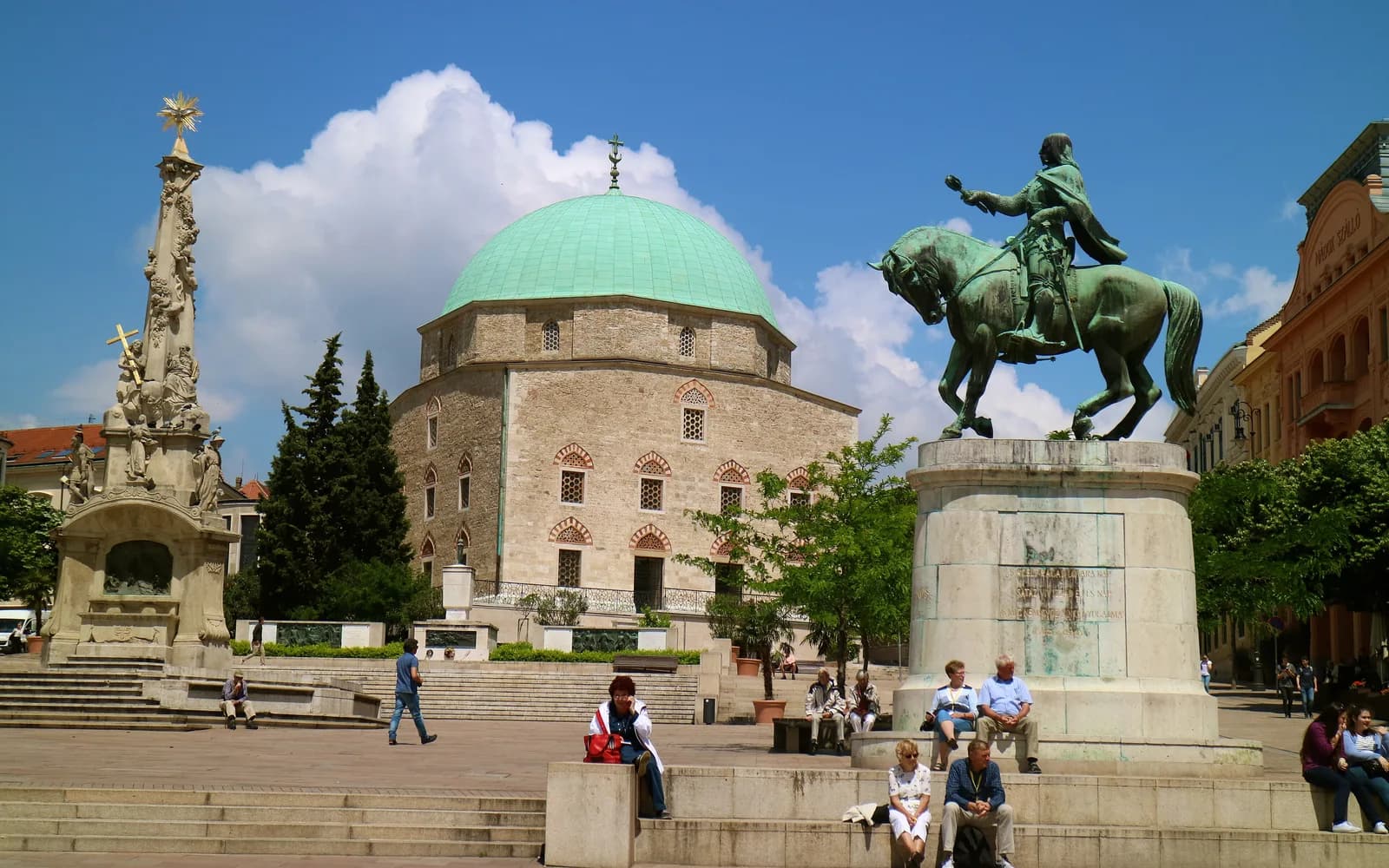
A cultural city home to Hungary's oldest university
City, university and budget, settled together in a free call.