

Budapest University of Technology and Economics
StateEngineering
Hungary's capital and largest education hub
The modern city was created on 17 November 1873, when Pest, Buda and Óbuda were merged into a single municipality. According to the Hungarian Central Statistical Office (KSH), the resident population was 1,675,777 on 1 January 2026; the same table gives 1,685,209 for 1 January 2025. The city is also a large centre of tertiary education: in the 2025/2026 academic year there were 128,708 full-time tertiary students and 14,554 teachers at 34 institutions headquartered in Budapest, against 122,240 students in 2024/2025.
The network is planned by BKK (Budapesti Kozlekedesi Kozpont) and largely operated by BKV. BKK lists metro, tram, trolleybus, bus, suburban railway (HEV), public transport boat, regional bus and rail, plus the MOL Bubi bike share. There are four metro lines: M1, opened in 1896 and listed as a UNESCO World Heritage Site in 2002, then M2 in 1970, M3 in 1976 and M4 in 2014. The first electric tram ran on 28 November 1887 between Nyugati station and Kiraly utca, and as of 2023 the tram network covers about 174 km on 35 lines. On BKK's published fares, the Monthly Budapest-pass for students costs 3,450 Ft against 8,950 Ft at full price. BKK accepts a valid Hungarian student ID, or a certificate from a Hungarian educational institution together with photo ID for those aged 14 and over; EU, EEA, Swiss and ISIC student IDs are accepted only from EU, EEA or Swiss citizens, and from 15 June 2026 those holders must also show a Hungarian address card or an accommodation certificate.
In a public university dormitory, the self-paying international rate runs from 38,200 to 72,000 HUF per month. Corvinus publishes its 2025/26 rates per person per month, valid from 1 February 2025: Kinizsi 1-2 bed room 42,400 Ft, Kinizsi 3-5 bed 38,200 Ft, Tarkareti 3 bed 40,300 Ft, Raday 2 bed 60,100 Ft, Raday 3-4 bed 53,100 Ft, and Gellert Campus 3 bed 72,000 Ft. Corvinus states that utilities are included and that single rooms are not available. ELTE publishes an equivalent table covering both 2025/26 and 2026/27: a self-paying international place costs 55,000 to 70,000 Ft in a 2 bed room (Vezer 55,000, Ajtosi Durer 60,000, and Erdos Pal, Korosi Csoma and Marton Aron Budapest at 70,000) and 50,000 to 55,000 Ft in a 3 bed room. The ELTE Dormitory Centre states that the fee covers electricity, water, heating and internet and is charged per begun calendar month. The lower figure of 15,320 to 23,475 Ft per month listed in ELTE's Hungarian-language dormitory booklet (data as of July 2024) is the subsidised Hungarian state-funded rate and does not apply to a self-financing Turkish student.
The rest of the monthly budget is tracked in euro. Rent runs 259 to 551 EUR, food 195 to 355 EUR, and transport 9 to 25 EUR. A typical all in monthly figure is 685 EUR. That figure assumes one student with a room in a shared flat, cooking at home most days and on the reduced student transport pass, with bills, phone, study materials and a normal amount of going out included. Dormitory fees are published in forint and the general budget in euro, so the two are best read in their own currencies.
For a student weighing up Budapest, the picture is straightforward: dormitory fees are quoted in forint and vary by room type, the general monthly budget sits around 685 EUR, and the student transport pass depends on the documents you can show. Velantra can help you compare these four universities, set a realistic application timeline, and plan housing and monthly costs before you commit. We do not promise outcomes; what we offer is help making the decision with accurate information in front of you.
Its industrial record is just as specific. The Ganz Works, founded in 1844 by Ábrahám Ganz in Víziváros on the Buda side, built railway wheels, locomotives, generators, trams and ships. Three of its engineers, Zipernowsky, Bláthy and Déri, demonstrated their transformer at the Hungarian National Exhibition in 1885, running 1,067 Edison lamps off 75 transformers in parallel. During the Siege of Budapest, Soviet troops closed the encirclement on 26 December 1944, German forces destroyed all five Danube bridges on 18 January 1945, and the defenders surrendered on 13 February 1945. Around 38,000 civilians died.
The site is older than the city. The Celtic Eravisci had settled the ground of today's Óbuda in the 1st century BC, and the Roman town of Aquincum was established there in the 1st century AD. After the Romans reorganised Pannonia in AD 103, Aquincum became the capital of the province of Pannonia Inferior in AD 106. Ottoman forces took Buda in 1541 and held it until the Battle of Buda in 1686, when a six week siege recaptured the city.
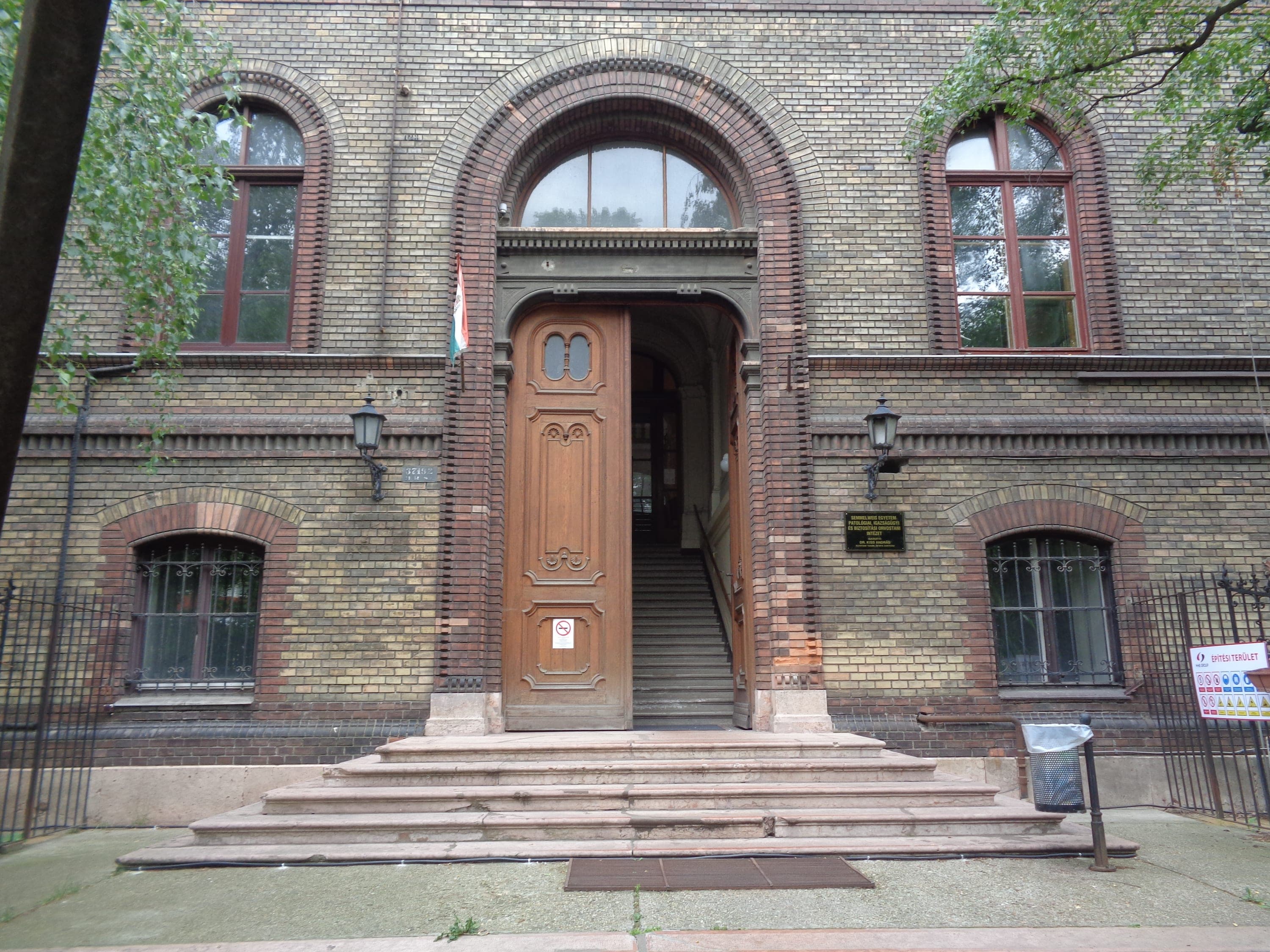
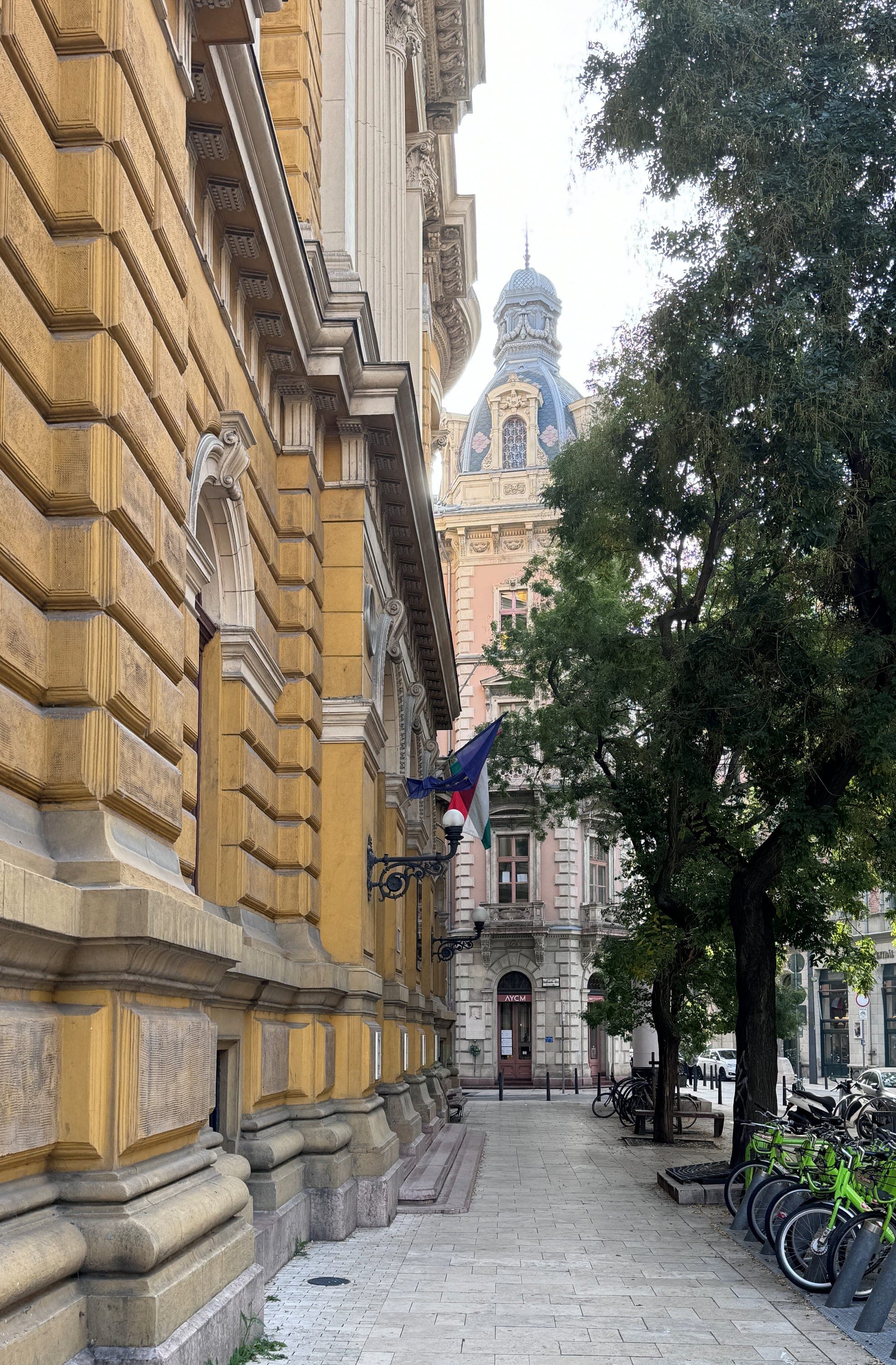
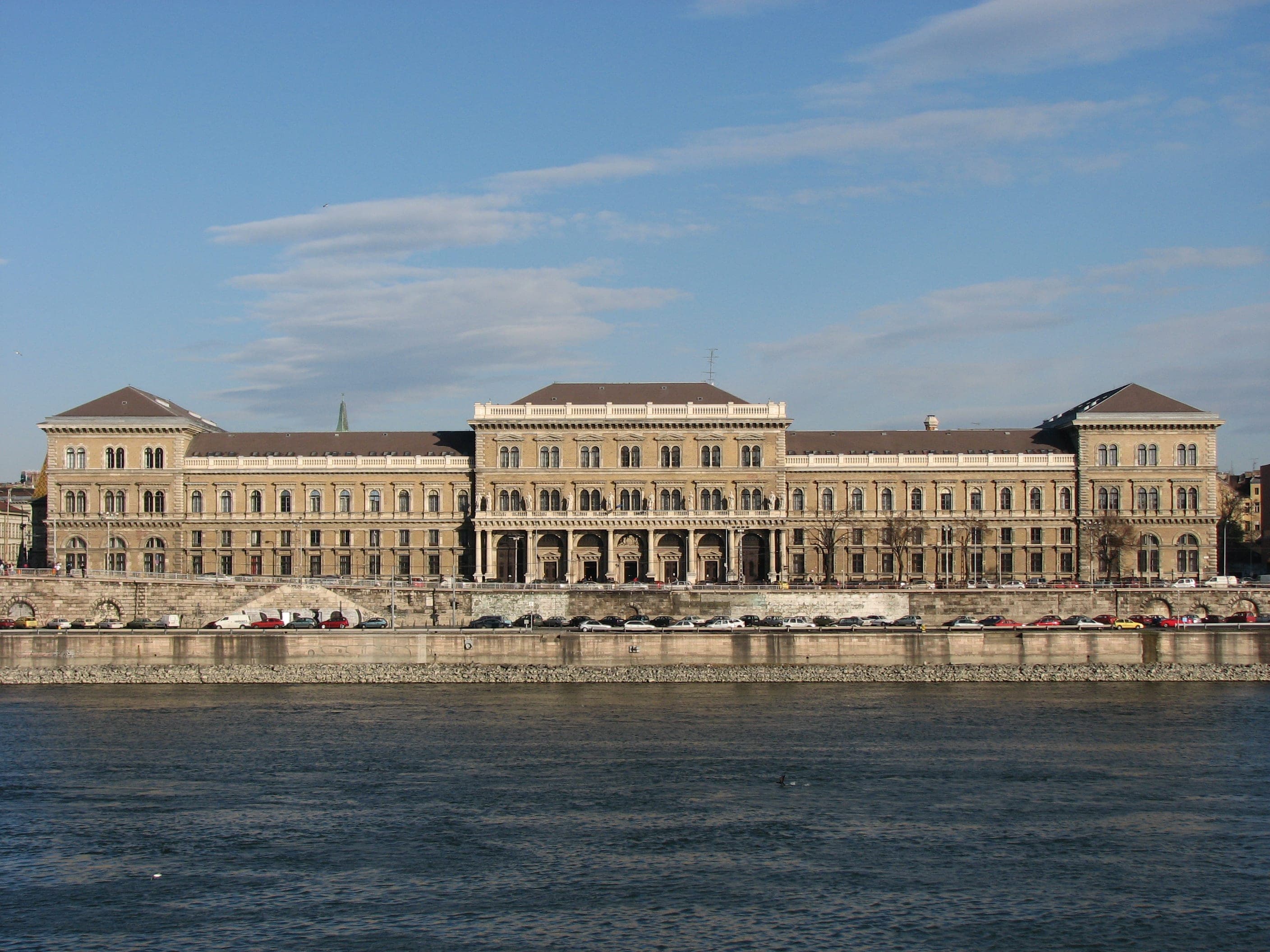
Velantra works with four universities in Budapest. Eötvös Loránd University (ELTE) is a state university founded in 1635 at Nagyszombat by Cardinal Péter Pázmány; it moved to Buda in 1777 and to Pest in 1784. Budapest University of Technology and Economics is also a state university, and its earliest predecessor is the Institutum Geometrico-Hydrotechnicum, founded in 1782. The other two on the list are Semmelweis University, a state institution, and Corvinus University of Budapest, a private one.