
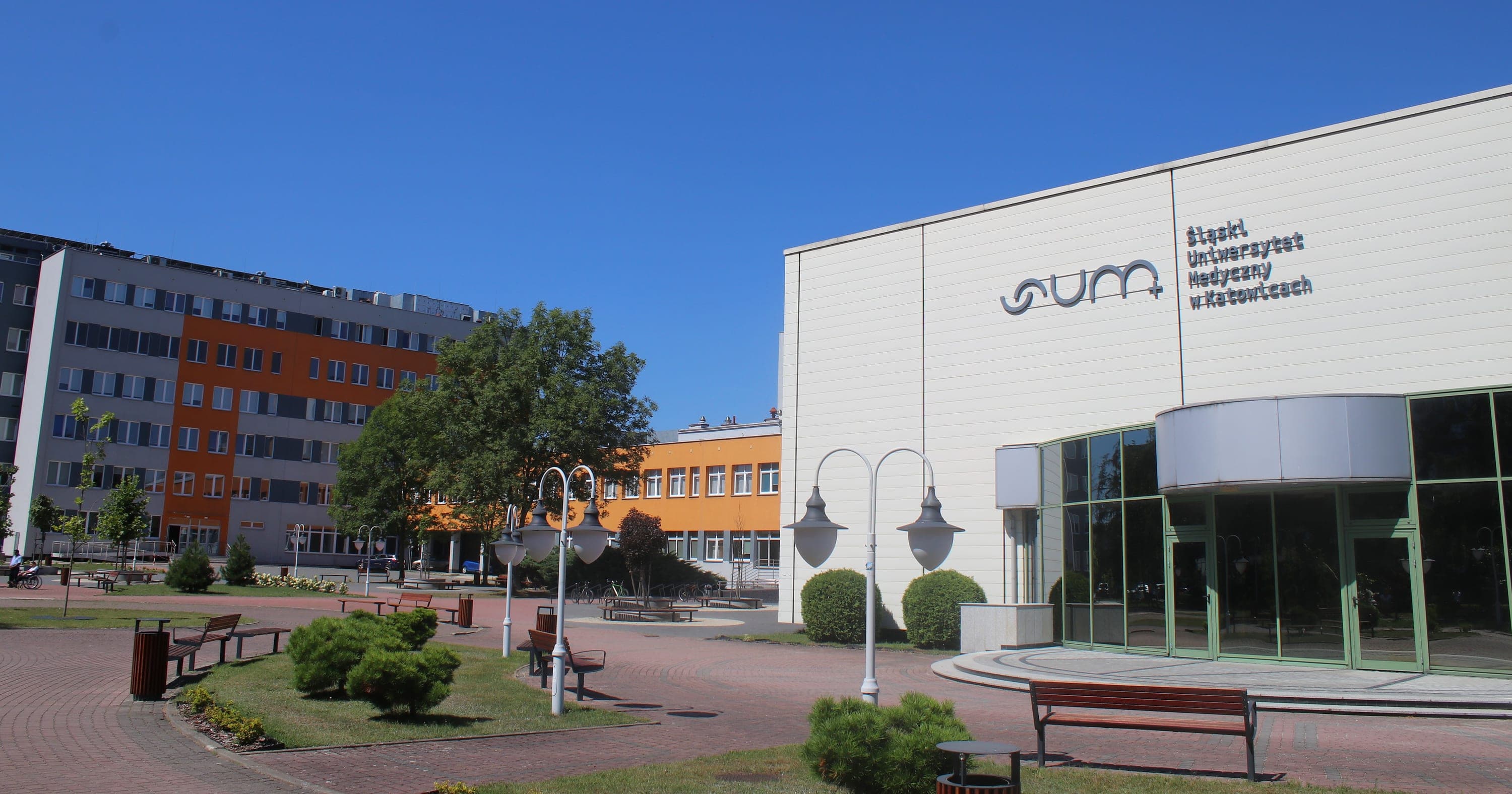
Medical University of Silesia in Katowice
StateMedicine
A modern university city known for its green spaces
The name Katowice first appears in writing in 1598, in a visitation report of the Bogucice parish. The settlement received town rights on 11 September 1865, under Prussian rule. As at 31 December 2025 the city had 277,415 residents; at 31 December 2021 the figure was 286,960 and Katowice was the 11th largest city in Poland. In 2021 there were 52,116 students in the city, spread across 11 higher education institutions headquartered in Katowice plus 2 seminaries and 3 branch campuses.
The University of Silesia dormitory price list for its Katowice-Ligota campus takes effect on 1 September 2026 and covers the 2026-2027 year: a place in a double room costs 741 zl at DS1 and DS2 and 894 zl at DS7; a single room is 804 zl at DS1 and DS2 and 963 zl at DS7; a place in a single studio room is 981 zl, and a place in a two person studio room at DS5 Paderewskiego in the city centre is 1071 zl. DS1 also takes a refundable deposit equal to one month's fee. At the Medical University of Silesia dormitories on Medyków 12a/12b and 24/26, net rates in force since 1 October 2024 run from 445 to 870 zl for a place in a double room and from 649 to 1740 zl for a single, depending on size and standard. Dormitory places sit broadly in a band of 741-1460 zl a month.
Basecamp by Xior is the private student residence the University of Economics in Katowice names as a partner. For contracts starting 15 September 2026 and 1 February 2027, monthly prices per person start at 1510 zl for a shared place in a 24 sq m two bed apartment, 1930 zl for a Single Shared Kitchen of 15.7 sq m with its own bathroom, 2430 zl for a Single of 18.9 sq m with its own kitchen and bathroom, 2600 zl for a Single Balcony and for Studio L, 3010 zl for Studio L Balcony and 3390 zl for the accessible Studio XL. The rent is all inclusive: every utility plus wifi, gym, cinema, shared kitchen and co-working are in the price, and laundry costs extra. The usual range is 1510-2600 zl a month, with booking rows showing, for example, 15 September 2026 to 15 July 2027 at 3140 zl a month for one studio type.
On the open market, your own room in a shared flat runs 630-1300 zl a month as of September 2026. Rooms of 7 to 20 sq m are advertised between 550 and 1500 zl, with a median around 800 zl. The University of Economics publishes an estimate of 900 zl plus about 140 zl of utilities for a single room, and 500 zl plus 115 zl for a bed in a double room. A self contained kawalerka for one person costs 1400-2000 zl: listings of 16 to 31 sq m run from 1400 to 2500 zl, most between 1600 and 2100 zl, the university average is 1750 zl plus about 250 zl of utilities, and the furnished LifeSpot Graniczna quotes studios of about 20 sq m from 2250 zl and 2400 zl with internet included. A two room flat, meaning one bedroom plus a living room, costs 1900-2500 zl: listings of 36 to 50 sq m run from 1900 to 3300 zl with a median around 2300 zl, and the university average is 2100 zl plus about 320 zl. Market rents exclude metered bills and the building czynsz. Two students sharing a two room flat each pay roughly half.
The wider monthly budget, in euro, looks like this: rent 139-301 EUR, food 139-255 EUR, transport 14-29 EUR. A typical all in figure is 415 EUR a month. That figure assumes a student living in a university dormitory or in a double room in a shared flat, cooking at home most days and using a discounted student transport pass, with bills, phone, course materials and ordinary social spending included.
Trams and buses are run by ZTM, the transport authority of the GZM metropolis, with tram operation by Tramwaje Śląskie. The Silesian tram network has run since 1894 and electrification began in 1898 at Katowice Rynek; 13 tram lines serve Katowice, all but 2 of them continuing into neighbouring cities, with 116 tram stops as of 2020. There are 63 regular bus lines including night services, 10 express metropolitan lines and 609 bus stops. Commuter rail is operated by Koleje Śląskie and Polregio, long distance trains by PKP Intercity, and Katowice Airport is about 40 km from the centre. The ZTM tariff grants a reduced fare to students of universities and higher vocational schools on presentation of a valid student ID, electronic student card (ELS), mobile student ID or ISIC card, at 50 percent of the normal fare: a 20 minute electronic ticket is 4.20 zl normal and 2.10 zl reduced, 40 minutes 5.20 and 2.60 zl, 120 minutes 6.60 and 3.30 zl, and the 30 day network pass (Sieć 30) 249 zl and 124.50 zl.
If Katowice is on your list, we can work through which of the nine universities we list match what you want to study, and how the housing options here fit the budget you have. We are happy to help you plan the application calendar and build a realistic cost picture.
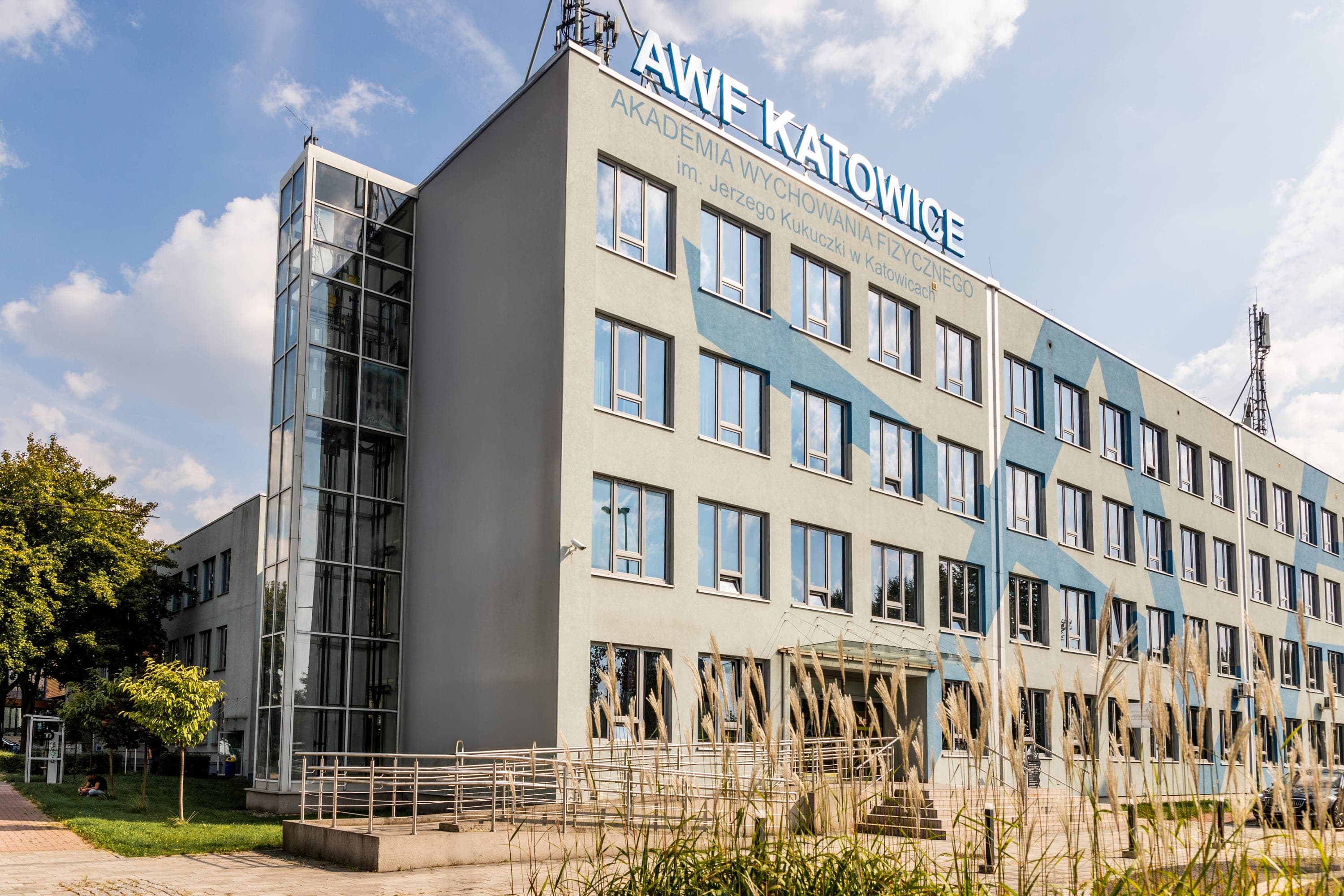
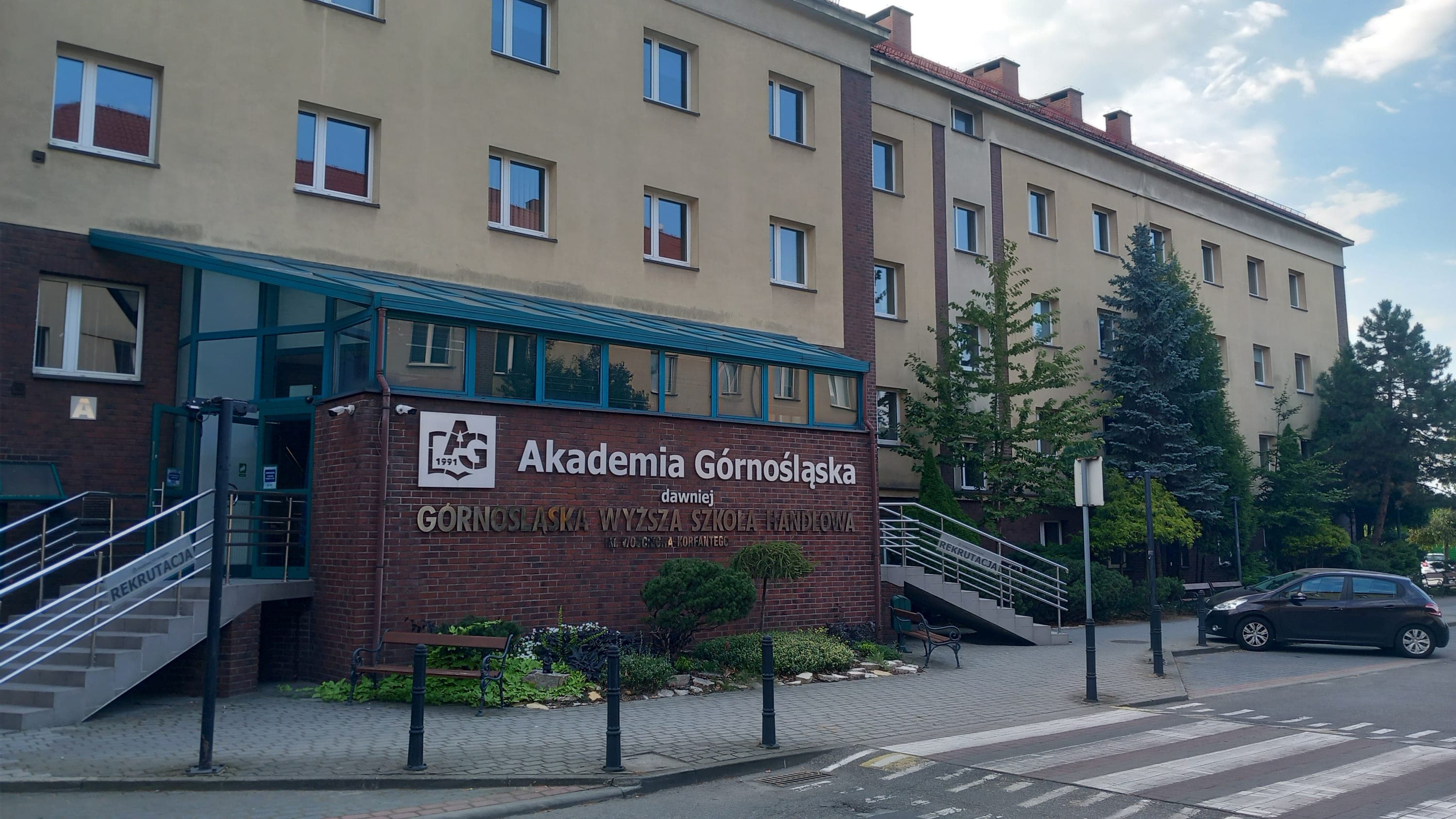
The State Music Conservatory opened with a concert on 28 September 1929 and is today the Karol Szymanowski Academy of Music. The private School of Social and Economic Sciences admitted its first students on 11 January 1937 and is now the University of Economics in Katowice, while the University of Silesia in Katowice was established on 8 June 1968. We list nine universities here. The state institutions are the Medical University of Silesia, the Jerzy Kukuczka Academy of Physical Education, the University of Economics, the Silesian University of Technology, the Academy of Fine Arts and the University of Silesia. The private ones are the Academy of Silesia (Akademia Śląska), Akademia Górnośląska im. Wojciecha Korfantego, known as Katowice Business University, and the University of Occupational Safety Management (WSZOP). In December 2023 the University of Silesia had 18,306 students and the University of Economics 8,077.
The railway set the town's growth in motion. The Upper Silesian Railway reached Katowice in 1846-1847 and the connection opened on 6 August 1847; coal mining and steel making shaped the town from that point on. The Polish Sejm passed the act granting Silesia autonomy on 15 July 1920, and after the Silesian Uprisings and the 1921 plebiscite the Polish army entered Katowice in 1922, making the city the capital of the Autonomous Silesian Voivodeship until 1939. German forces took Katowice on 3 September 1939 and the Great Katowice Synagogue was burned to the ground on 4 September 1939. Between 7 March 1953 and 10 December 1956 the city was officially named Stalinograd. On 16 December 1981, during martial law, a ZOMO platoon opened fire on striking miners at the Wujek coal mine and killed nine of them.