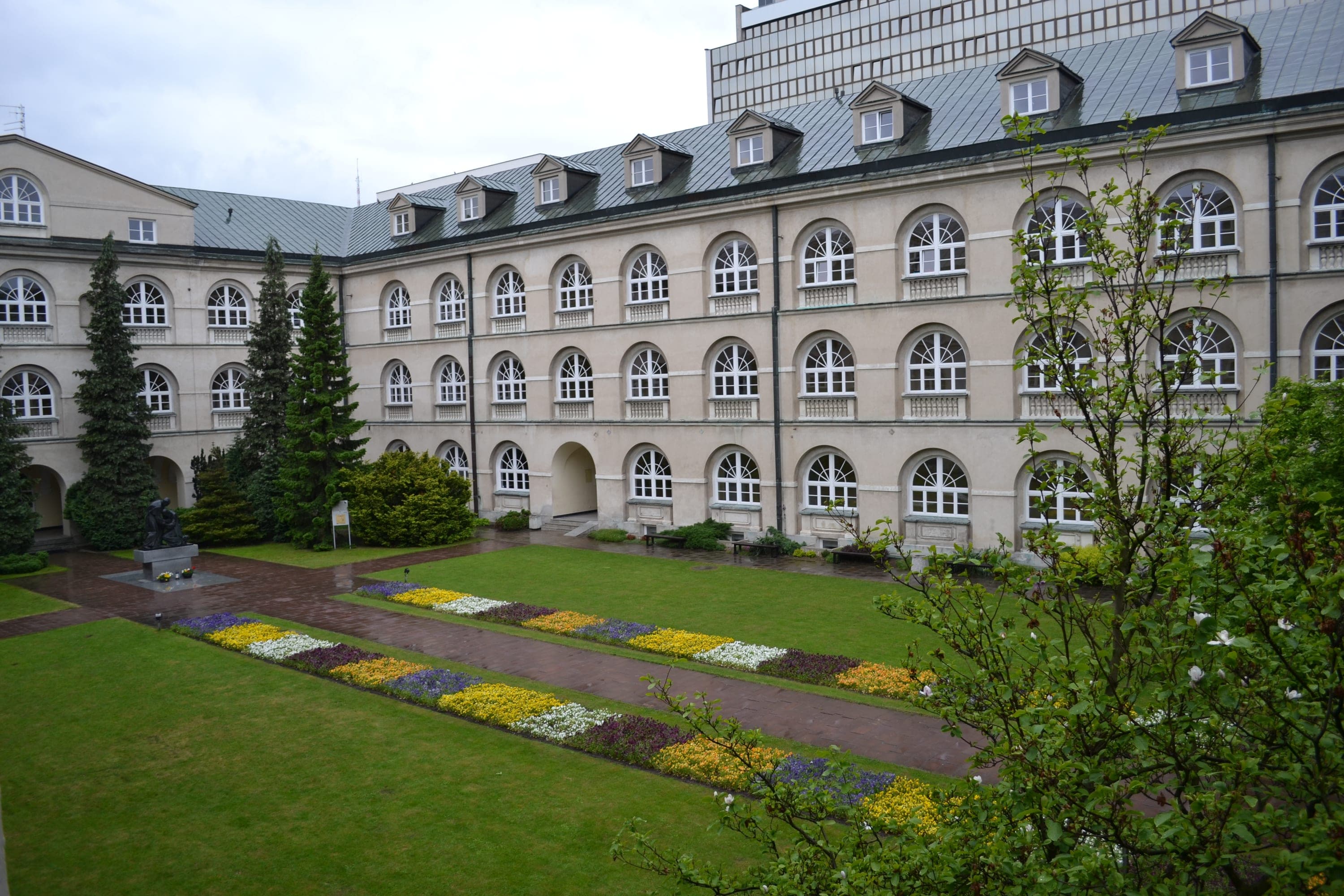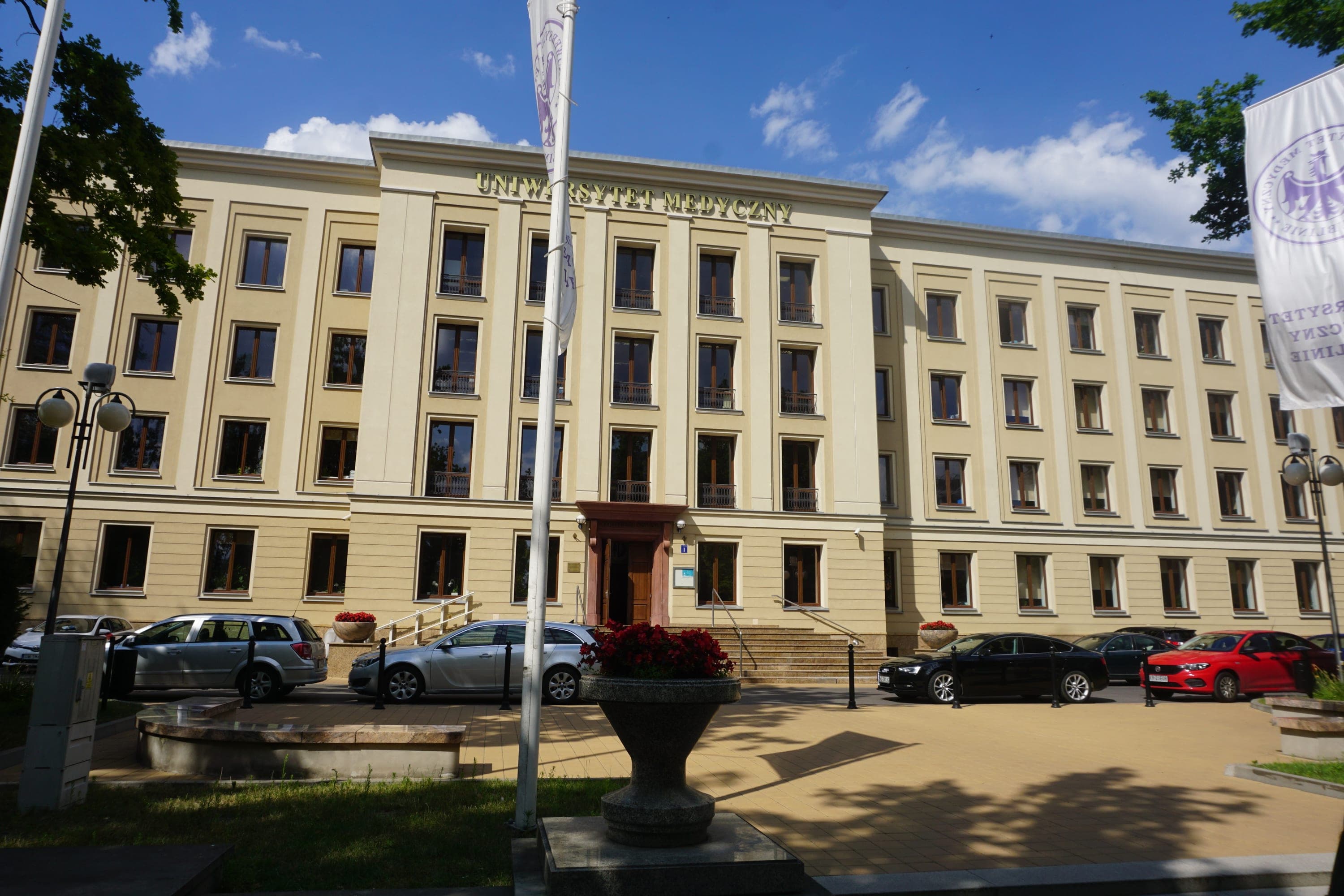

Maria Curie-Skłodowska University in Lublin
StateInternational Relations
An affordable city where a large share of residents are students
Lublin was granted its town charter under Magdeburg law on 15 August 1317 by Duke Władysław Łokietek. Its population was 326,700 as of 31 December 2025. In the 2023/2024 academic year the city counted nearly 60,000 students across 9 higher education institutions, 5 public and 4 private, including over 9,000 international students from more than 100 countries, according to figures published by the City of Lublin.
Published state dormitory fees for 2026/2027 run from 650 to 1490 PLN a month per person. A place in a double room, which is the normal student option, costs 650 to 1050 PLN: at UP Lublin, 650 zł at DS Broadway/Manhattan, 740 zł at Cebion/Dodek and 1040 zł at Eskulap; at UMCS, 705 to 835 zł depending on the hall; at the Medical University of Lublin, 785 zł at DS 1, 1000 zł at DS 4 and 1050 zł at DS 2. A single room runs 745 to 1600 PLN, with UMCS at 820 to 1160 zł and the Medical University at 1005 to 1250 zł, or 1350 zł for a single with its own bathroom. UP Lublin states that its prices include utilities and internet. UMCS charges an optional 25 zł a month for internet and takes a 400 zł refundable reservation deposit. Medical University rates apply from 1 October 2026 to 30 June 2027 and add 200 zł for a bedding pack.
Student Depot Lublin, the private student residence operator in the city, advertised 1100 to 2075 PLN per person per month with everything included on 6 September 2026: a bed in a shared double room from 1100 zł, a private single room in a shared apartment with shared bathroom and kitchenette from 1700 zł (Basic), 1830 zł (Comfort 3), 1900 zł (Comfort 2) or 2075 zł (Premium), and a self contained studio from 2950 zł. On the open rental market, a single room of one's own in a shared flat sits between 725 and 910 PLN, median 825 zł, and since most adverts say nothing about bills, a student should assume utilities may be extra until the landlord confirms. A self contained one room flat, a kawalerka, costs 2000 to 2425 PLN, median 2200 zł, and that figure is rent only: electricity, gas and often the building administration charge, the czynsz administracyjny, land on top, with a refundable deposit of one month's rent as standard. A 2-pokojowe flat, a separate bedroom plus a living room, runs 2150 to 3000 PLN, median 2500 zł, for the whole flat, so two students sharing one pay roughly half each.
The rest of the monthly budget, in euro, breaks down as rent of 150 to 277 EUR, food of 162 to 208 EUR and transport of 12 to 48 EUR, with a typical all in figure of 418 EUR a month. That figure assumes a student living in a university dormitory or a shared flat in a two person room, cooking at home most days and using a discounted student transport pass, with bills, phone, course materials and an ordinary amount of social spending included.
These figures are here so that Lublin can be weighed in concrete terms of budget and housing. Which university and which type of accommodation fit a given student depends on the individual. Anyone who wants to work through application timing, dormitory options and a monthly budget together is welcome to write to our team.
Getting around means buses and trolleybuses, run by MPK Lublin and managed by ZDiTM. The trolleybus system opened in 1953 and runs 13 lines with a fleet of 129 vehicles; ZDiTM also lists bus lines in the 2-85 and 300 series, trolleybus lines 150-162 plus 950, and three night routes, N1 to N3. There is no tram network. Under the fares valid from 16 February 2026, a single ride is 5.00 PLN at the normal rate and 2.50 PLN reduced, exactly half. University students holding a valid Polish student card, the legitymacja studencka, are among the statutory holders of the reduced fare, and municipal rules extend it to doctoral students and to holders of an international ISIC card up to age 26. Ticketing runs on the Lubika electronic ticket and the Lubelska Karta Miejska.
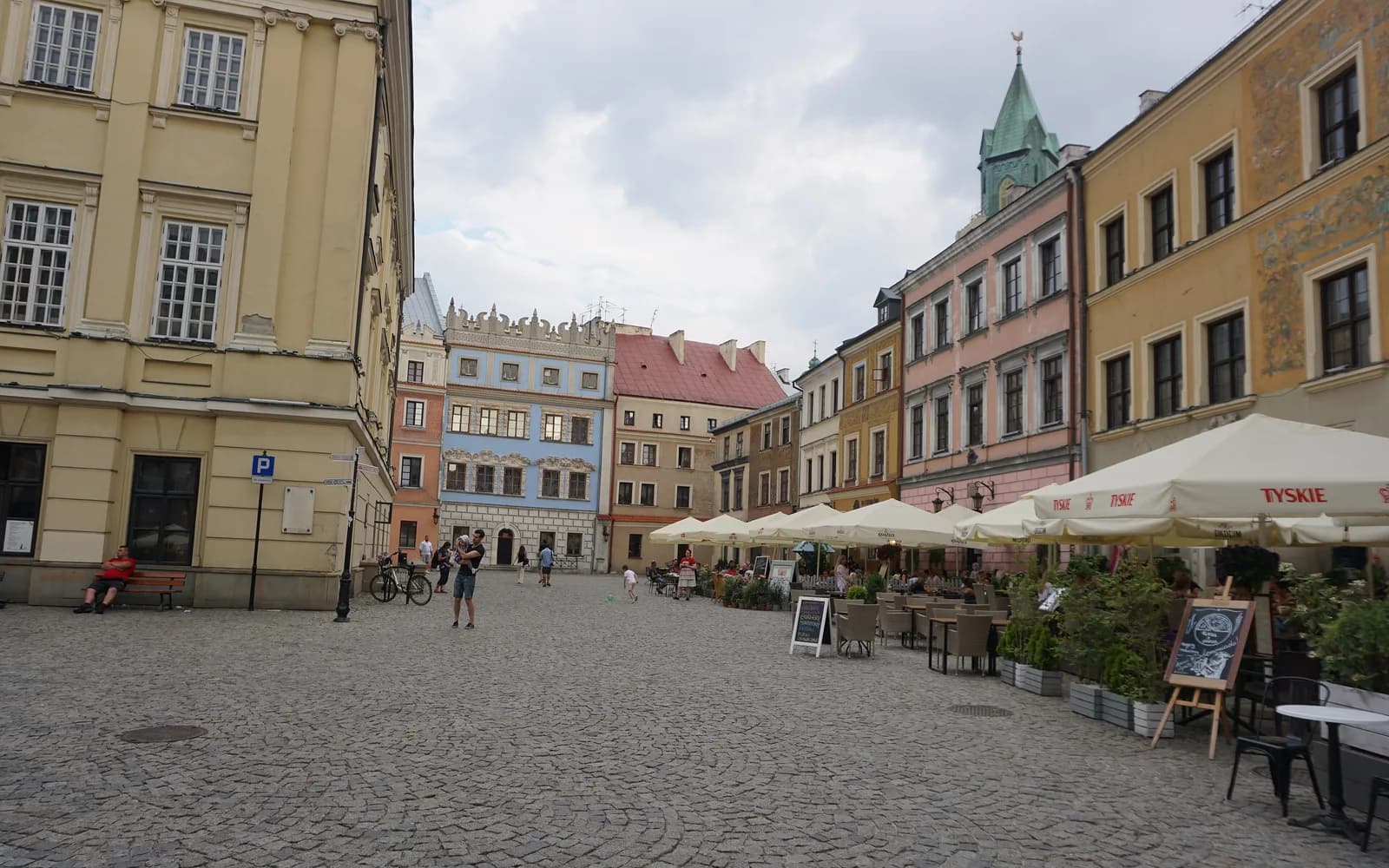
Lublin became a voivodeship capital in 1474. On 26 June 1569 the Sejm sitting in the city proclaimed the Union of Lublin, joining the Kingdom of Poland and the Grand Duchy of Lithuania into the Polish-Lithuanian Commonwealth; the city's commerce rested on its position along the Poland-Lithuania trade route. In 1578 the Crown Tribunal, the court of appeal for the nobility's courts, was established and sat alternately in Piotrków and Lublin.
The twentieth century left its own marks. The Catholic University of Lublin (KUL) was founded on 27 July 1918, and on the night of 6-7 November 1918 the Provisional People's Government of the Republic of Poland under Ignacy Daszyński was formed in the city. Maria Curie-Skłodowska University (UMCS) followed on 23 October 1944. Under the German occupation that began in September 1939, the Gestapo headquarters sat in Lublin Castle and the Majdanek concentration camp stood on the city's outskirts. The Soviet Army took Lublin on 24 July 1944, and the city became the seat of the Polish Committee of National Liberation (PKWN), formed on 2 August 1944.
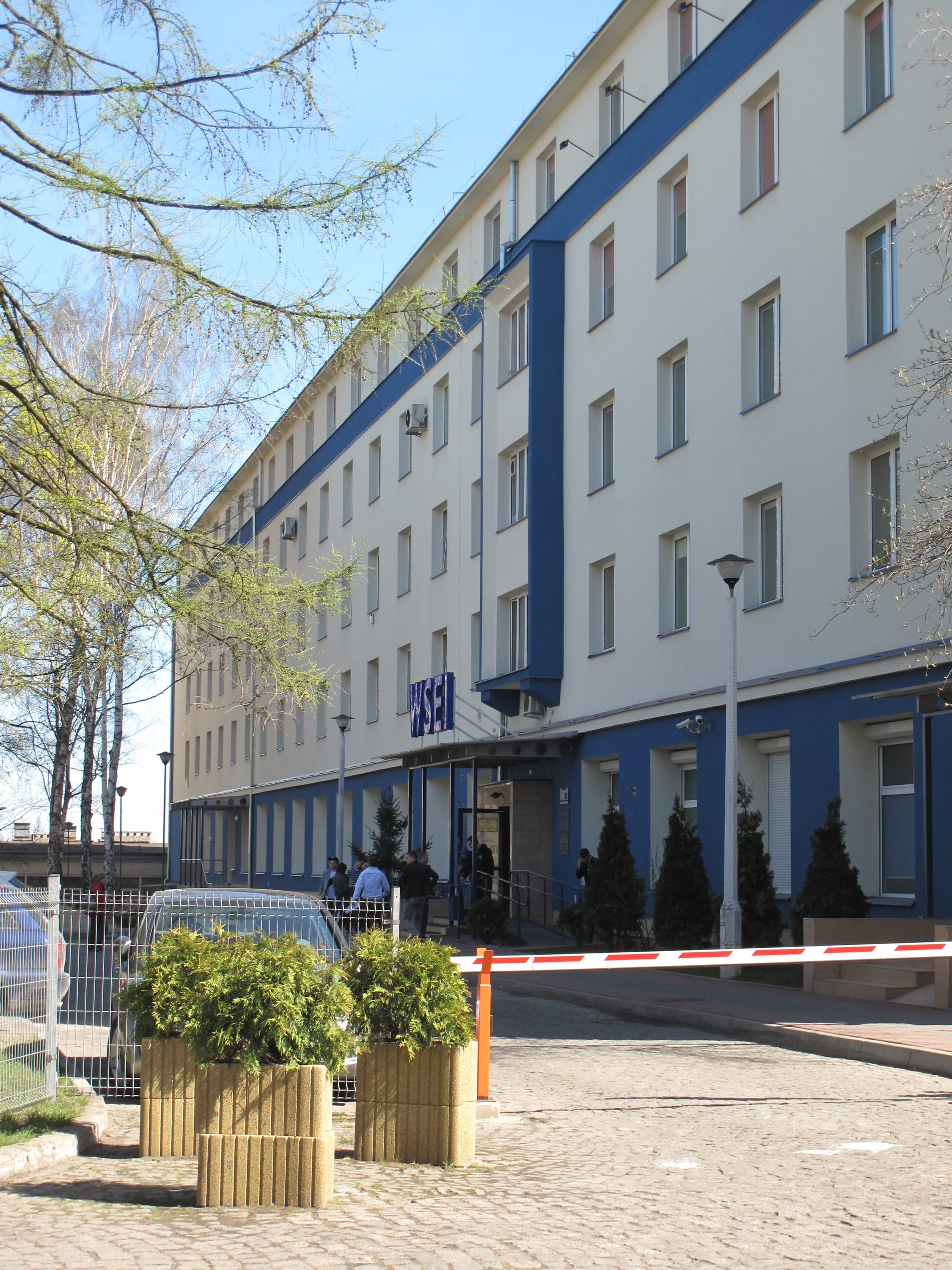
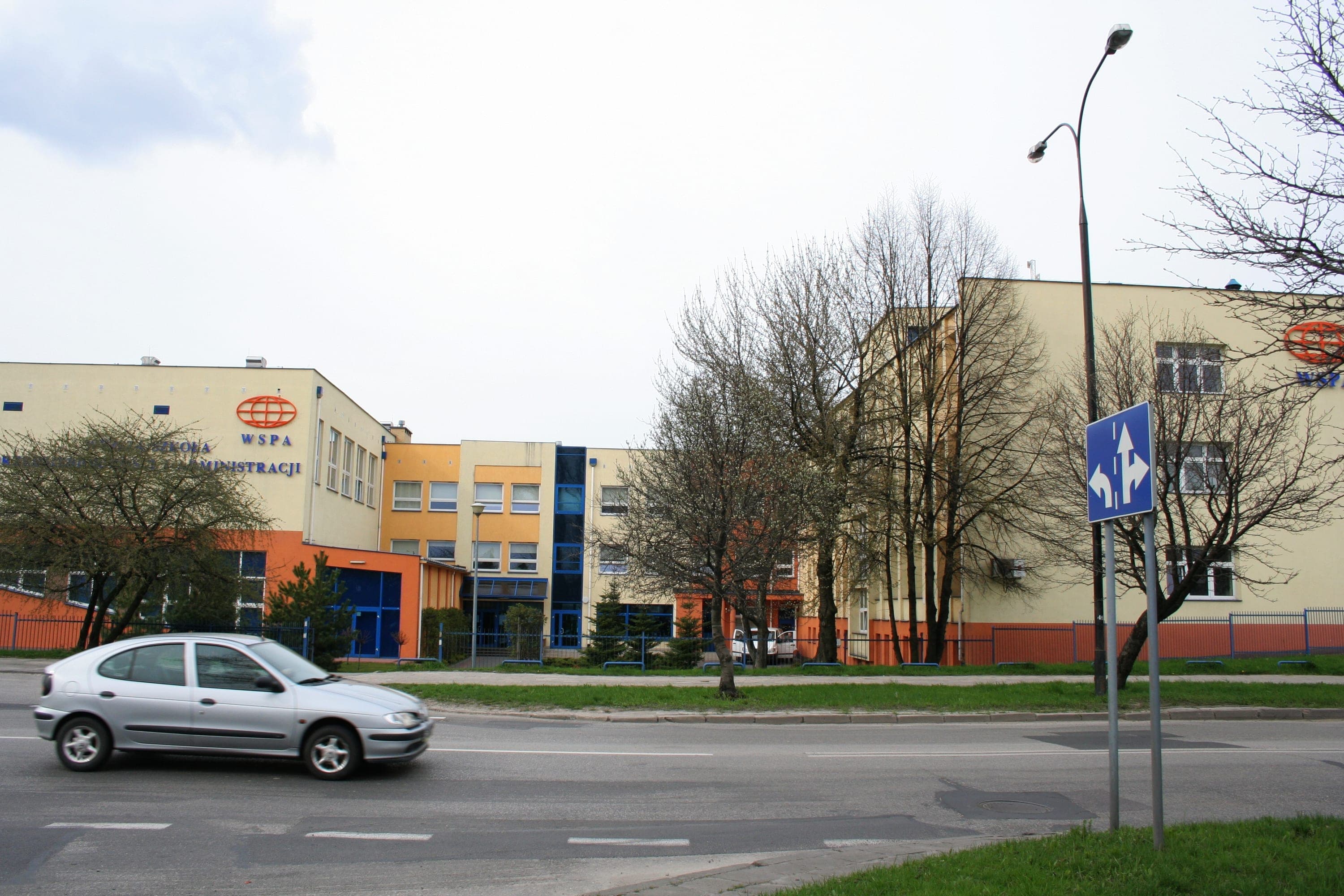
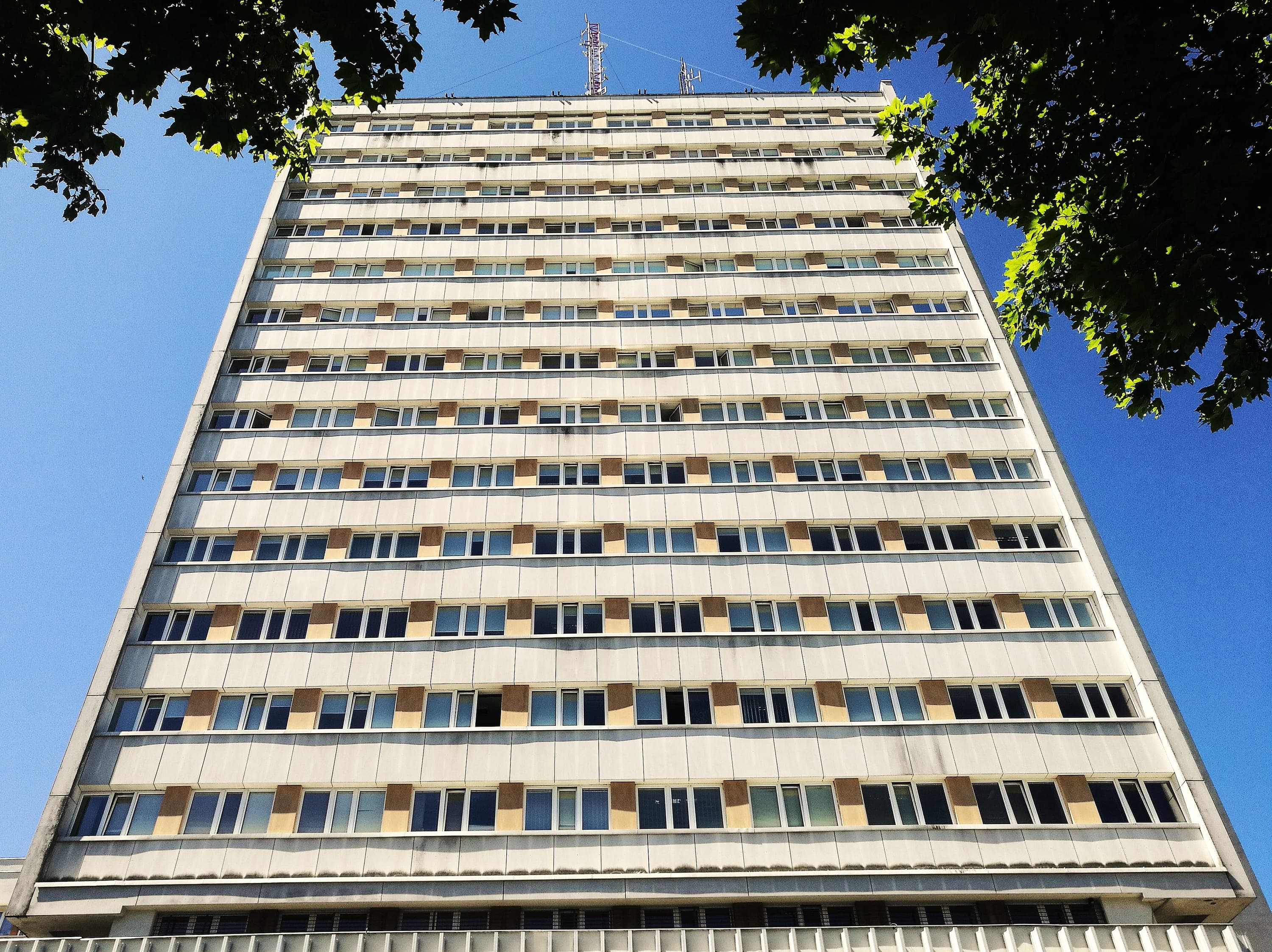
Our catalogue lists 10 universities in Lublin. The state institutions include the Medical University of Lublin, Maria Curie-Skłodowska University with 15,632 students in December 2023, Lublin University of Technology, the University of Life Sciences in Lublin, and the John Paul II Catholic University of Lublin (KUL) with 8,306 students in 2024. The private ones are Vincent Pol University in Lublin, WSEI University (University of Economics and Innovation in Lublin), and University College of Enterprise and Administration in Lublin (WSPA).