
University of Wrocław
StateLaw
A vibrant student city of canals and young people
Wroclaw had 672,601 residents as of 31 December 2025, which places it third in Poland by population. Archaeological evidence points to a settlement of about 940, and the name first appears in writing in the year 1000, in the chronicle of Thietmar of Merseburg, as "Wrotizlava". The Bishopric of Wroclaw was established in the same year, at the Congress of Gniezno. The student population is in the range of 100,000 to 110,000, with about 70,000 of them coming from outside the city.
The rest of the monthly budget, in euros, looks like this: rent 232-510 EUR, food 162-324 EUR, transport 10-13 EUR. A typical all in figure is 642 EUR per month. That figure assumes one student with a room in a shared flat, cooking at home most days and using the reduced student transport pass, with bills, phone, study materials and a normal amount of going out included.
Local transport is run by MPK Wroclaw, the municipal operator formed in 1951. The tram network has 25 daytime lines, including weekend line 0, on 84 km of trackbed at standard 1,435 mm gauge; buses run on 57 daytime lines (37 ordinary, 5 express, 2 peak, 4 suburban) and 13 night lines. As of 29 April 2025 the fleet was 404 trams and 443 buses. The horse tram opened on 10 July 1877 and the first electric line ran on 14 July 1893. Wroclaw Glowny is served by PKP Intercity, Koleje Dolnoslaskie and Polregio, and Wroclaw Copernicus Airport (WRO / EPWR), 10 km west of the centre and open since 1938, is reached by city bus 106 by day and 206 at night. Students of institutions covered by the Polish Higher Education Act of 20 July 2018, and students of foreign universities, qualify for the reduced fare on production of a student card, doctoral card, or an ISIC or Euro 26 card; a foreign student card must come with a sworn translation. The reduction is 50% across the whole tariff: a 90 minute ticket is 3.50 zl instead of 7.00 zl, a 24 hour ticket 7.50 zl instead of 15.00 zl, a 30 day all lines pass 55 zl instead of 110 zl, and a 90 day pass 151 zl instead of 302 zl. Tickets are loaded onto the URBANCARD.
State dormitories run 720-1500 PLN per person per month for the 2026/2027 academic year. A place in a two-person room realistically falls in a 720-900 PLN band, and a single room, if one is actually assigned, costs 1085-1500 PLN; a self-contained module at PWr is 1890 PLN. Bills are not fully settled by those figures: at PWr the fee in dorms T-4 and T-6 consists only of a fixed part, while T-15, T-17, T-19 and T-22 charge an additional variable amount based on water and electricity use. Privately operated student residences run 2550-3470 PLN per person per month for 2026-2027, and those rates include utilities and internet.
On the open market, based on September 2026 listings, a single-occupancy room in a shared flat costs 1050-1450 PLN per month. A self-contained one-room flat, the Polish kawalerka, sits at 2100-2500 PLN, and a two-room flat with one bedroom and a living room at 2500-3000 PLN. That last figure is the rent for the whole flat, so two students sharing it would each pay roughly half. In all three cases the building charge and utilities are normally billed separately unless the advert says otherwise, so they belong in the budget as a separate line. These are asking prices seen in September 2026, at the start of the academic year, and not an official statistic.
For anyone considering Wroclaw, the practical decision is which institution to aim for and which kind of housing to budget around, since the gap between a dormitory place and a rented studio changes the whole monthly picture. We are happy to work through the programme choice, the application calendar and the housing plan with you. Admission decisions rest with the institutions themselves; what we do is keep the process clear and organised from start to finish.
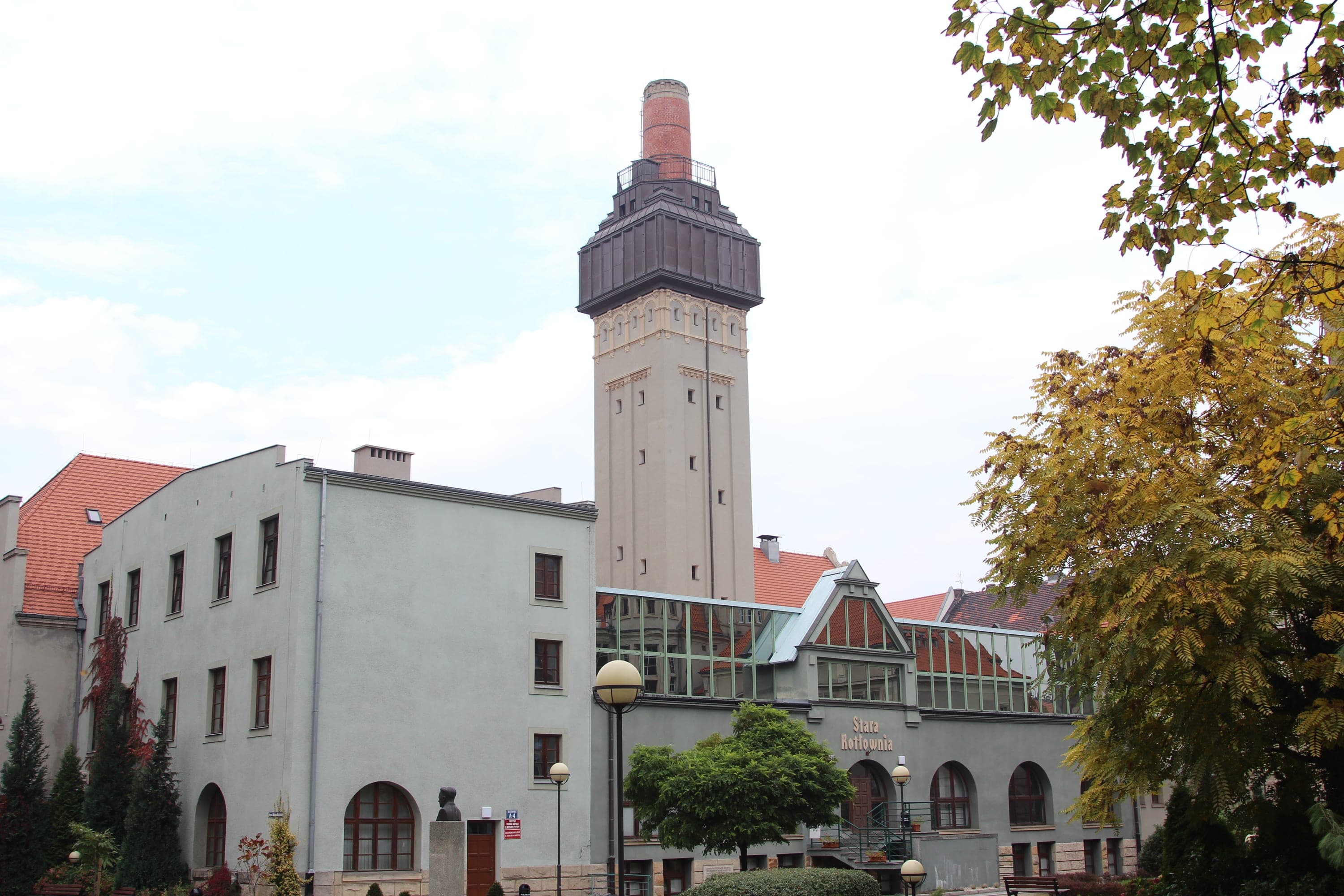
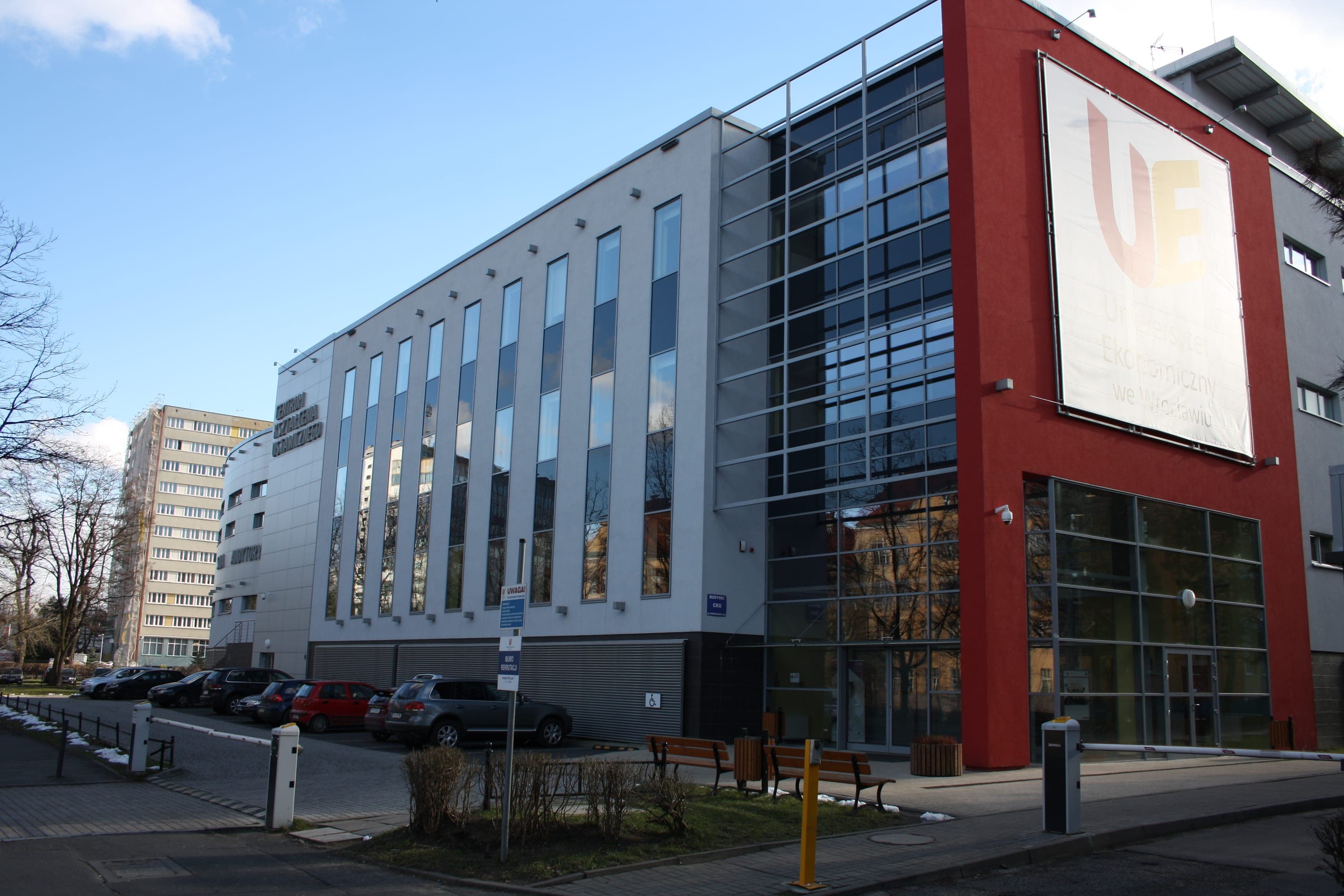
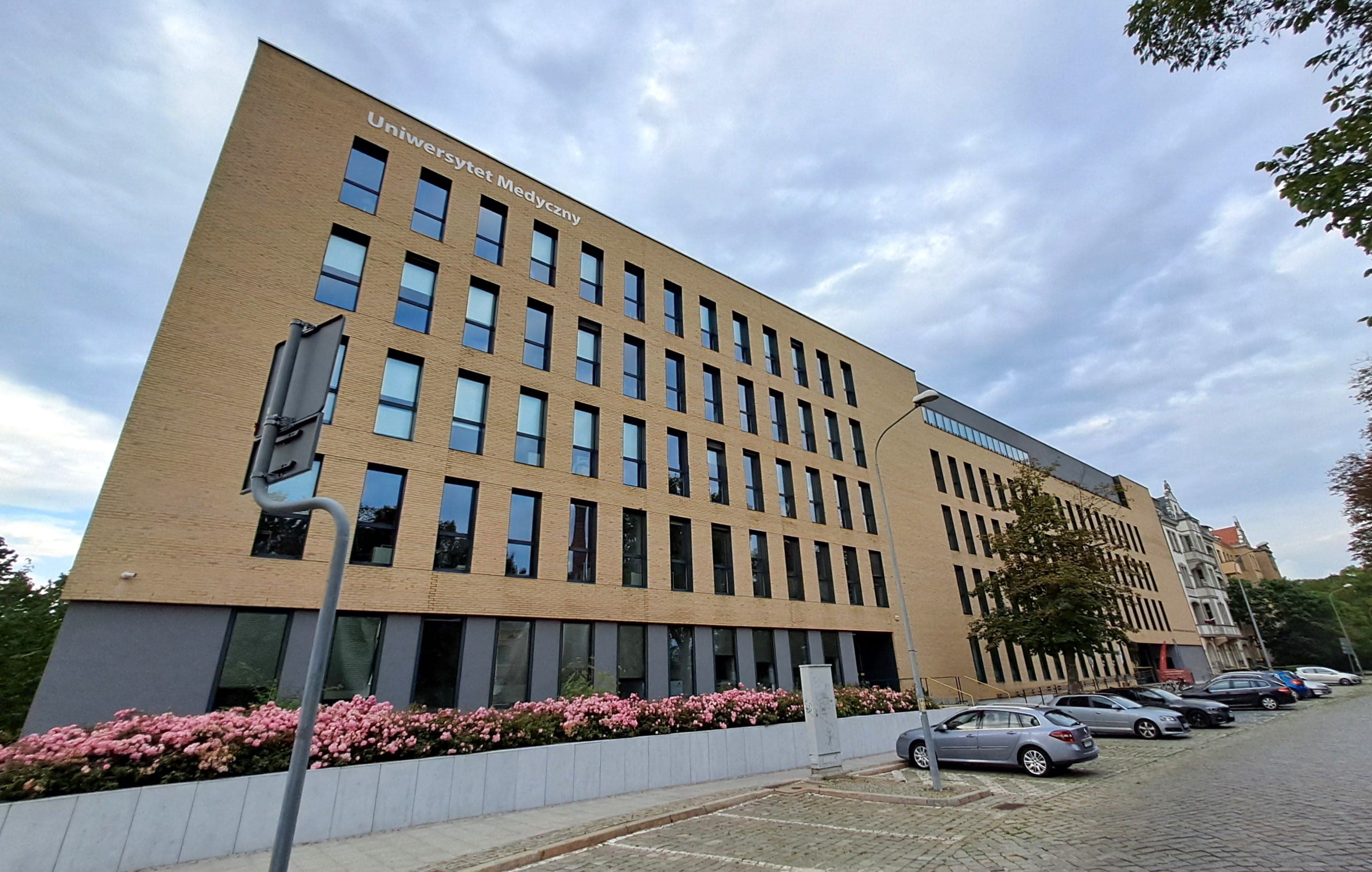
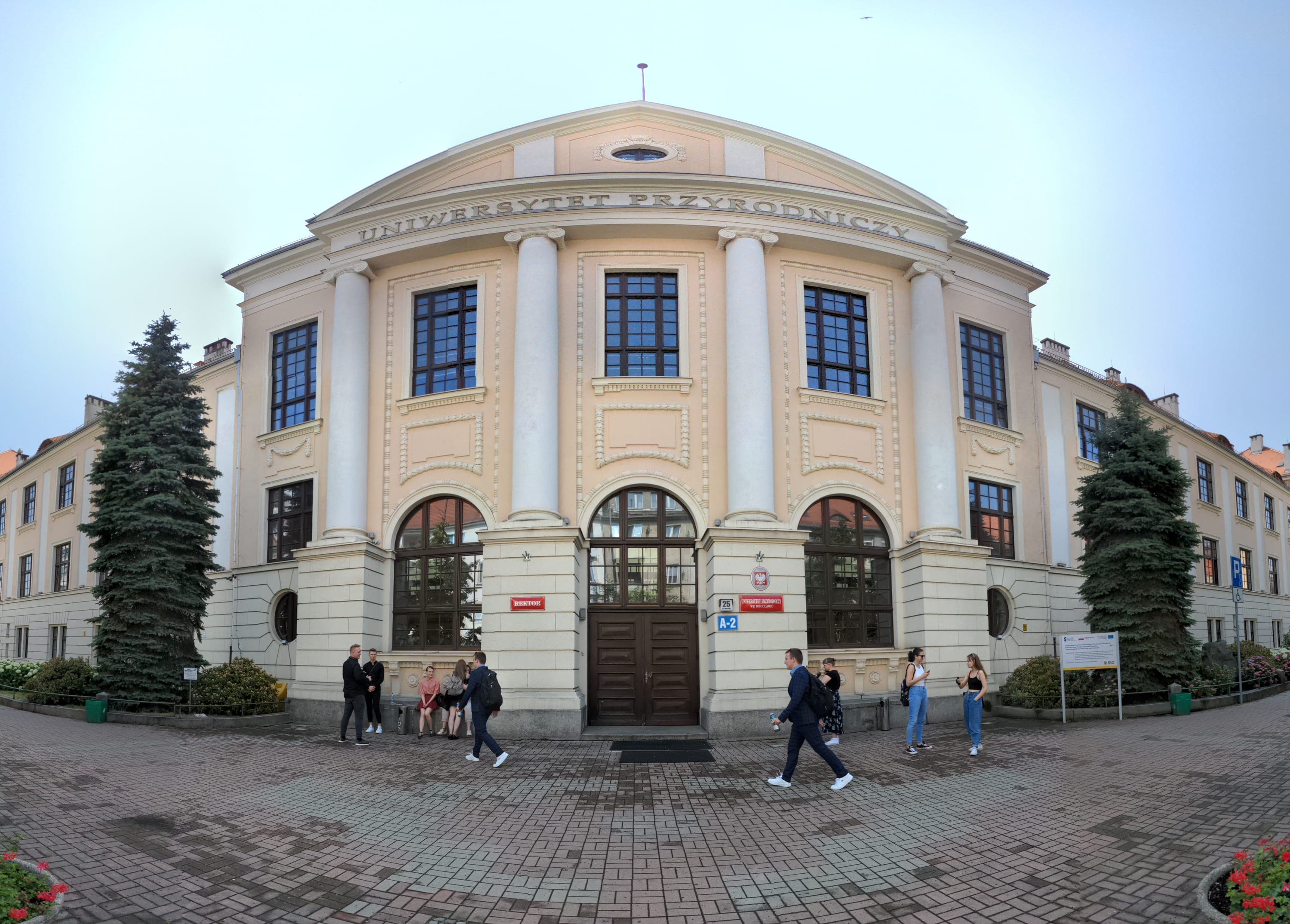
We list 13 universities in Wroclaw, some of them state institutions and some private.
From 1138 the city was the seat of the Piast Duchy of Silesia. It was destroyed in 1241 during the first Mongol invasion of Poland, rebuilt, and granted Magdeburg town rights in 1262. In 1348 it was incorporated into the Lands of the Bohemian Crown. In 1742, after the War of the Austrian Succession, Austria ceded it to Prussia, and it remained German, under the name Breslau, until 1945.
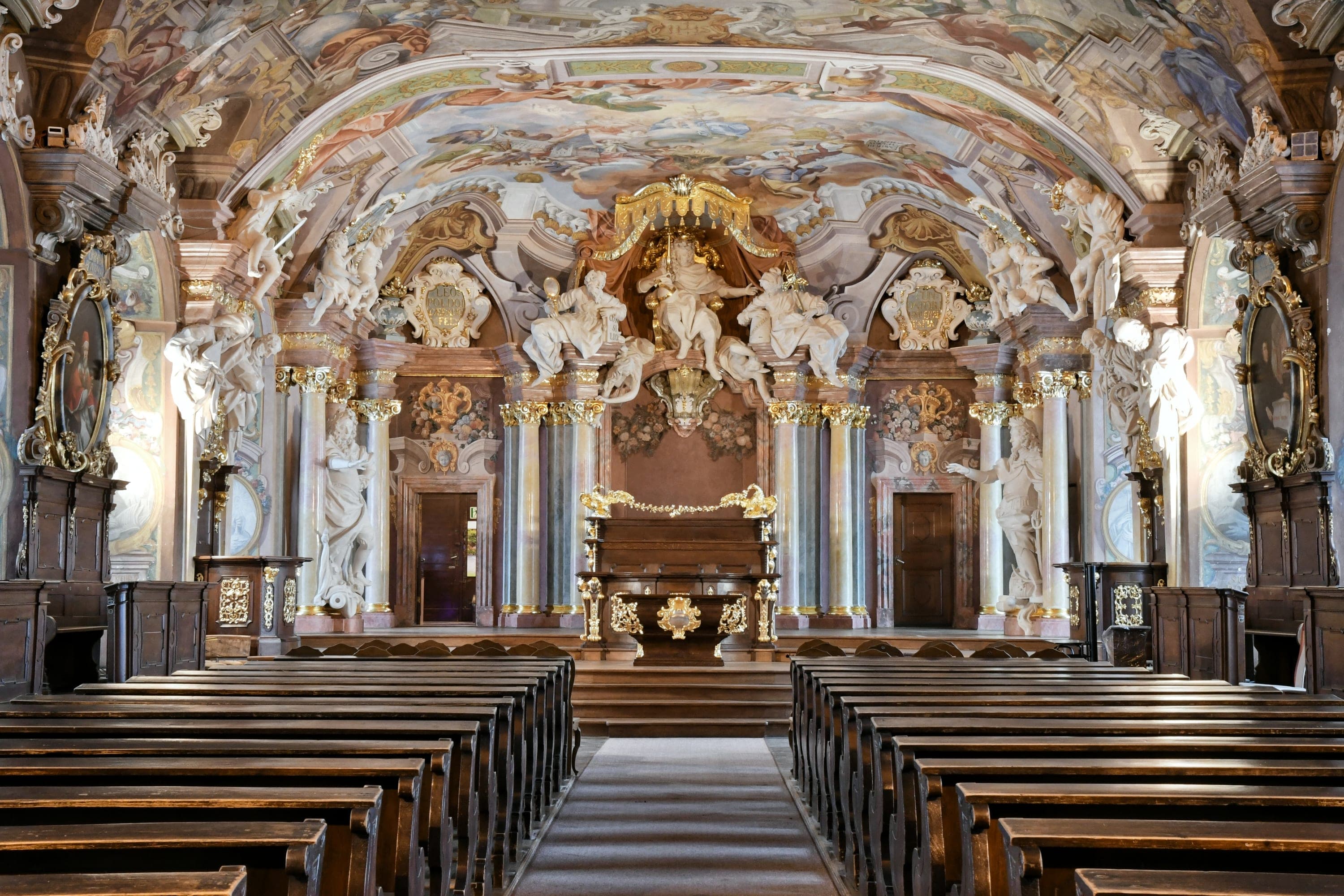
Higher education here dates from 1 October 1702, when Emperor Leopold I chartered the Jesuit Leopoldina academy. In 1811 the Viadrina university moved from Frankfurt an der Oder and merged with it, forming what is today the University of Wroclaw, which had 20,293 students as of December 2023. Wroclaw Glowny station opened on 12 October 1857 to a design by the Prussian royal architect Wilhelm Grapow, anchoring the city as a 19th century railway junction and a textile and metal manufacturing centre; the station handled 29.4 million passengers in 2023. In February 1945 Soviet forces encircled the city and the German garrison surrendered on 7 May 1945. About 50% of the old town and up to 90% of the western and southern quarters were destroyed, and roughly 40,000 inhabitants died. The city passed to Poland under the Potsdam agreement, and its German population was expelled between 1945 and 1949.